Investment Handbook
Checking a Building Lift’s Records Before Buying an Apartment
Review the records for a building lift before buying an apartment in Syria, separating equipment identity, outstanding actions, responsibilities and access needs.
In this article

A lift can be central to an apartment purchase even though it occupies none of the private rooms. A buyer may receive a service receipt, hear that an inspection was satisfactory and see the lift operating during a viewing. Those pieces of information have different purposes. Bringing them into one dated file helps you ask what has actually been established about the equipment serving the apartment and what still needs an answer before you commit.
For a Syrian property purchase, the useful task is to prepare a precise enquiry for the people responsible for the building and for independent advisers. This article does not set inspection intervals, certify equipment or determine who legally owes a charge. It explains how to distinguish the identity of the lift, the scope of supplied records, unresolved actions and the consequences for your own intended occupation.
Identify the lift and the route it serves
Start with the particular building entrance and apartment. If there is more than one lift, give each a separate reference based on information supplied by the responsible person. Ask which floors and entrances it serves and whether any part of the journey still requires stairs. A record describing equipment in the same development may concern a different entrance or machine. Keep that uncertainty visible until someone competent can match the document to the correct equipment.
Ask for the identifier used in maintenance and examination records. Where a label can be seen during ordinary permitted access, note what is visible without entering a machinery space or attempting to find concealed markings. Have the responsible person or specialist resolve inconsistent numbers. You should not select whichever identifier makes the paperwork appear complete. A difference could be a simple naming convention, but its explanation belongs in the file.
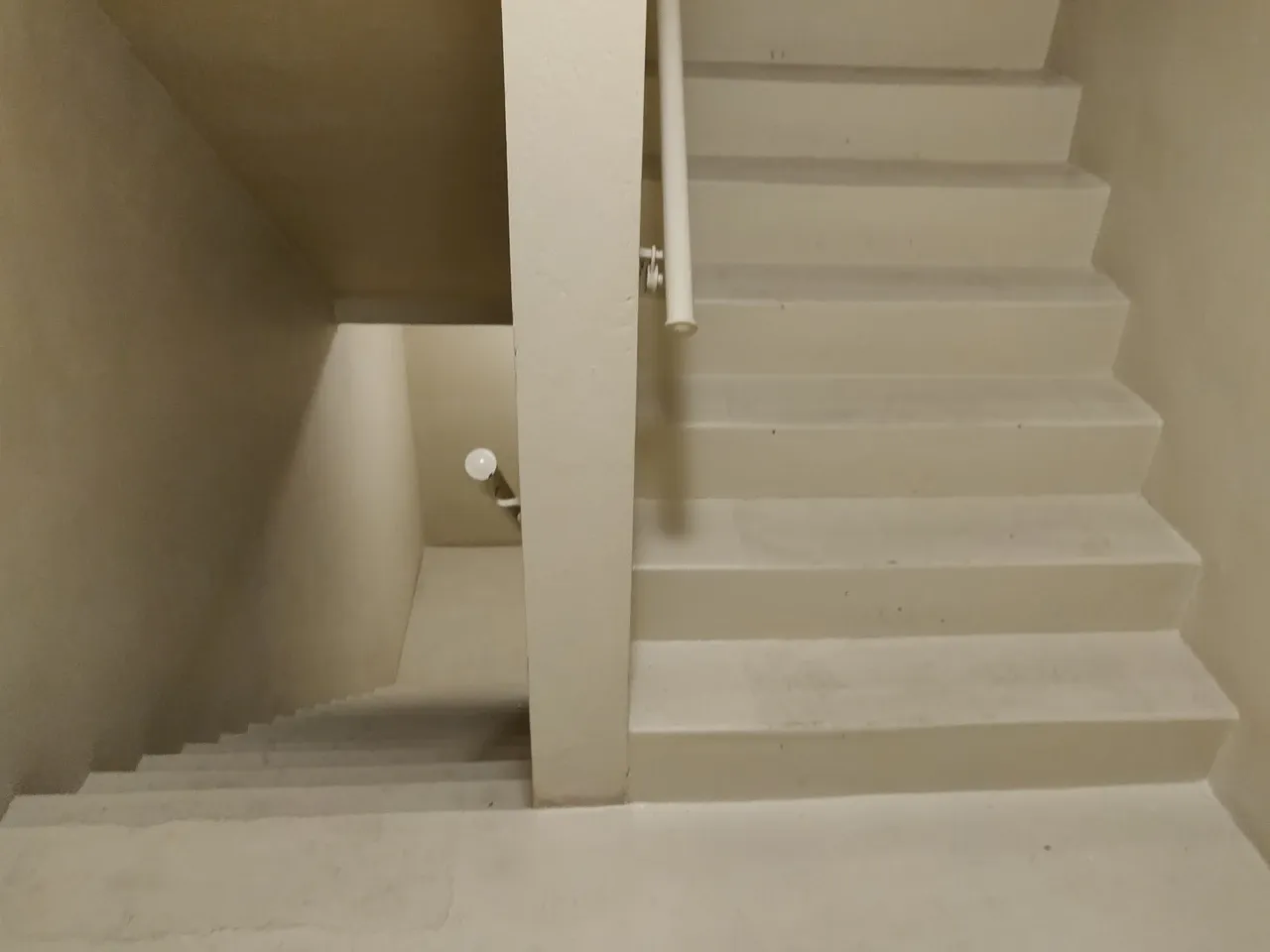
Connect this work to your review of the building’s shared areas. Record the route from the usual arrival point to the apartment door. The lift’s presence and the household’s ability to make that complete journey are separate questions. The staircase photograph here illustrates shared circulation outside Syria; it is not evidence about the lift or alternative access in any property you are considering.
Separate the purpose of each supplied record
List each document with its date, equipment reference, author or issuing organisation and stated purpose. A maintenance visit, an examination, a repair quotation and an invoice should retain their own descriptions. Ask what work or assessment the document actually covers. A paid invoice may identify an attendance or component charge, while leaving the technical result unexplained. An old report may describe the equipment at that date without answering what changed afterwards.
The UK Health and Safety Executive’s passenger-lift guidance discusses maintenance, inspection and examination in its own regulatory setting. The limited lesson here is to ask which activity a supplied document records. This article does not adopt UK duties, examination frequencies or qualifications as Syrian requirements. Ask appropriately qualified local advisers what evidence and assessments apply to the particular building and proposed purchase.
Request the complete relevant record rather than relying on a reassuring first page or a cropped photograph of a conclusion. Ask whether attachments, limitations or subsequent notices are missing. Preserve the original supplied file and identify its source. If the language or technical terminology is unclear, obtain an appropriate explanation; do not translate an unfamiliar conclusion into a stronger claim such as guaranteed safe or fully renewed.


Follow outstanding actions through to an answer
For each action mentioned in a report, make a short entry recording the reference, description, stated urgency, proposed response and evidence received afterwards. Keep the wording of the original recommendation available. A later service visit does not automatically close every earlier finding. Ask the relevant specialist whether the later work addresses that exact item and whether any further confirmation is needed.
Distinguish an accepted proposal from completed work, and completed work from a documented assessment of its result. A quotation can describe what someone is willing to supply. An appointment can establish an intended date. Neither tells you that the intervention occurred. If the responsible person says an issue was resolved, ask for the dated record supporting that statement and who can explain its scope.
RICS consumer guidance describes circumstances in which a property assessment needs further investigation, including inaccessible elements or questions beyond the inspection’s scope. Use that idea to define a separate lift enquiry where appropriate. Do not assume that a general apartment survey includes specialist equipment assessment. Before commissioning advice, establish the question, required access, available documents and what the adviser will be able to conclude.
Ask who arranges work and how interruptions are recorded
Identify the person said to hold the records, arrange servicing, report faults and communicate with residents. These may be different roles. Record the source of each explanation and ask the legal adviser to review any claimed decision-making or financial responsibility relevant to your purchase. Having a contractor’s name or telephone number does not establish an ongoing agreement, current availability or a guaranteed response time.
Ask whether a dated history of reported interruptions and subsequent work is available. Such a history can help a specialist understand the questions, but incomplete notes should not become a calculated reliability rate. A resident’s recollection should remain attributed. Equally, an absence of supplied complaints is not evidence that no interruption occurred. Identify the period covered and any gaps before comparing one building’s records with another’s.
Where future work is proposed, connect it to your questions about recurring building costs. Record whether an amount is a quotation, approved budget or reported payment, and what allocation is claimed for the apartment. Keep technical need, authority to commission, funding arrangements and the buyer’s legal obligations as separate matters for confirmation.
Decide what the unanswered questions mean for your purchase
Consider this hypothetical comparison. Two upper-floor apartments suit the same household. Building A supplies a recent maintenance attendance note but an earlier action remains unexplained. Building B supplies a fuller sequence of records, yet proposed work could affect the household’s intended move. Neither file alone determines which home is suitable. The buyer needs an answer about A’s outstanding item and a realistic account of B’s proposed timing before comparing the consequences.
Write down how an interruption would affect ordinary use by the people who will live there. If a household member cannot use an alternative route, do not replace that fact with an assumed offer of assistance. Discuss the requirement with the person concerned and obtain appropriate advice. Buyers should not perform equipment tests, attempt a bypass or request a rescue demonstration to fill gaps in their notes.
Finish with a short decision brief: the identified lift, documents received, unresolved findings, responsible contacts and questions that must be answered before the next commitment. Assign each question to someone able to address it. A useful file makes the remaining uncertainty understandable; it does not turn paperwork or a successful viewing journey into a promise about future operation.
Continue your research

Reading Building Meeting Minutes Before Buying an Apartment
Read building meeting minutes before buying an apartment in Syria, tracing proposals, recorded decisions, missing attachments and unanswered purchase questions.
Read more
Checking Household Waste Arrangements Before Buying an Apartment
Check an apartment’s household waste route, storage, collection point and stated responsibilities before buying, with clear questions for missing arrangements.
Read moreSources & review
Last reviewed:
PUT YOUR RESEARCH TO WORK
Start with a place.
Explore Syria’s cities and narrow your property search.