Blog
What Reconstruction Estimates Can and Cannot Tell a Buyer
Understand Syria reconstruction estimates by checking their scope and uncertainty, separating assessed need from funding, building condition and prices.
In this article
.jpg)
A reconstruction estimate describes the assessed cost of restoring a defined group of damaged assets. It can help a property buyer understand the scale and scope of recovery research. It does not establish funding for a particular neighbourhood, the condition of a shortlisted building, a delivery date or a future sale price.
Read the estimate with its assessment period, asset definitions and uncertainty intact. Then ask what separate evidence would be needed for the home you are considering. This approach lets an important national assessment inform your research without making it responsible for a property conclusion it was never designed to support.
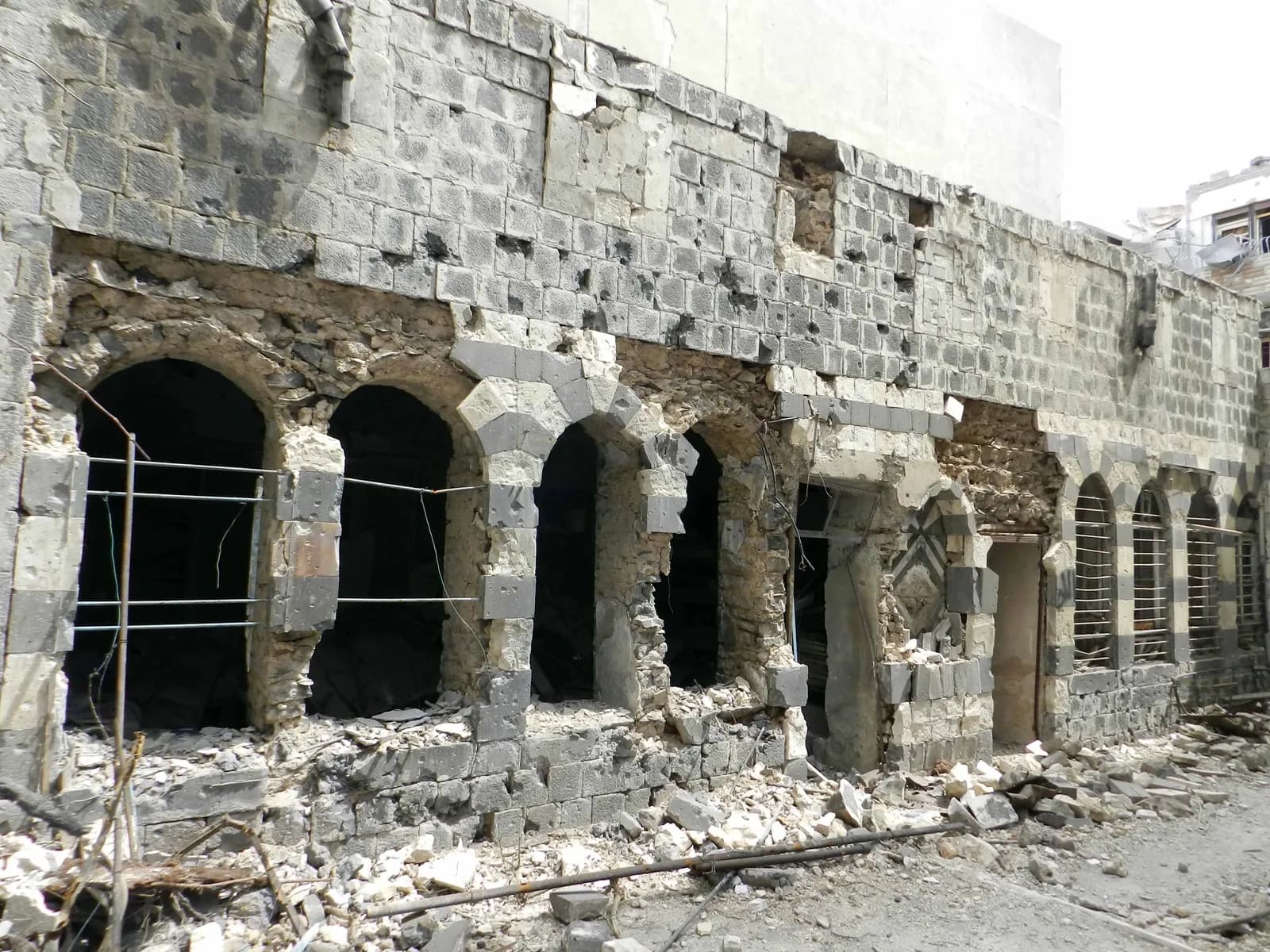
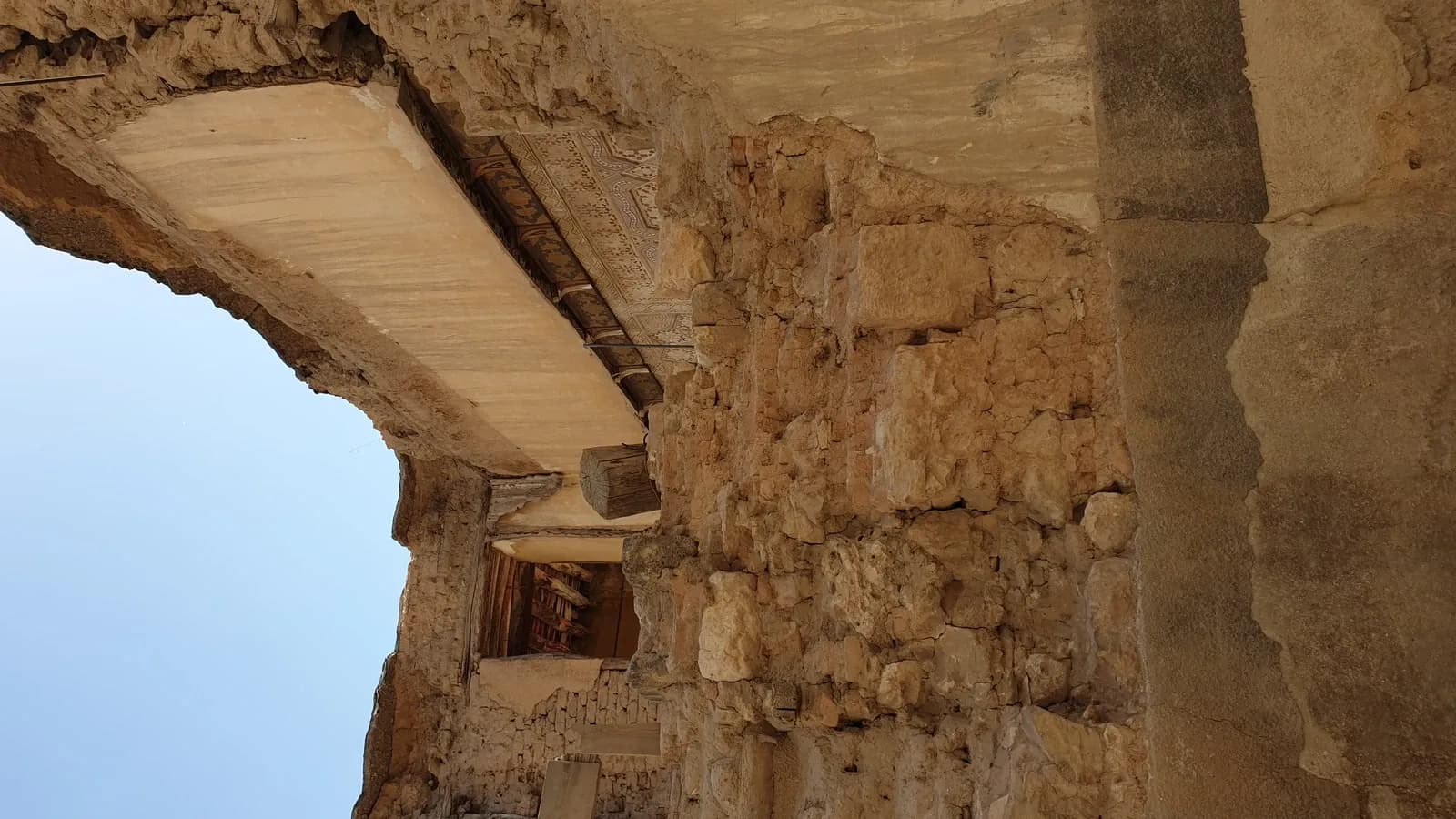
The photographs show a damaged facade in Bab Dreeb, Homs, in April 2012 and an exposed architectural detail in Old Damascus in September 2021. They are dated illustrations, not inspected homes or identified assets from the World Bank assessment.
Identify the assessment behind the headline
Start with the named report, publisher and publication date. A headline may use the word reconstruction loosely, while the underlying document defines exactly which assets and periods it examined. Save the original reference so that you can return to those definitions rather than relying on a detached currency figure.
On 21 October 2025, the World Bank published a reconstruction assessment summary covering Syria's infrastructure and building assets over 2011–2024. It gave a best estimate of US$216 billion within a US$140–345 billion range. The release explicitly describes uncertainty and limits to detailed asset disaggregation. These are dated aggregate estimates, not amounts pledged or spent.
The range belongs beside the central figure. Retaining only the largest, smallest or most memorable amount changes the reader's understanding of the assessment. A carefully attributed summary should explain the period and subject before offering any interpretation of what the estimate means.
Separate physical damage from the cost of reconstruction
A measure of physical damage and an estimate of reconstruction requirements answer different questions. Check the definitions in the report before comparing their totals. Do not assume that subtracting one from the other reveals a profit opportunity or an amount already available to contractors.
Likewise, an assessment of assets is not necessarily an assessment of every household's losses, displacement experience or present housing circumstances. Respect the stated scope. A property buyer should avoid using the report as a comprehensive description of a community when its method concerns a different subject.
If a summary does not explain a distinction, read the linked report or keep the point unresolved. Our guide to reading property-market reports shows how definitions, geography and observation periods limit the conclusions a dataset can support.
Do not turn an estimated need into a funding commitment
Ask whether the information describes an assessed requirement, a proposal, an approved financing arrangement or documented expenditure. Those stages can concern the same broad goal while providing different evidence about what can happen next. A reconstruction estimate alone does not identify who will pay for each activity.
For a claimed programme near a proposed home, seek the actual programme record and responsible organisation. Establish the stated scope, current stage and relevant location. Avoid assuming that a national total has been divided among neighbourhoods in the way a seller, social post or promotional image suggests.
Keep a separate note for each confirmed development. An independently documented financing approval is useful, but it should not be silently upgraded to completed work. If the delivery or operating arrangements are unknown, leave them unknown in the household's decision record.

Investigate the building on its own evidence
The assessment's existence cannot diagnose a wall, stair, roof or shared service at an individual address. Arrange the appropriate inspection and document review for the proposed property. Ask qualified professionals to explain their findings, evidence and the limits of the work they performed.
Distinguish the building you are examining from nearby structures or photographs circulated with wider recovery news. An image can show an identifiable scene at a known date, but it cannot supply a structural conclusion or a current repair status by itself. Request relevant, properly identified evidence rather than borrowing confidence from a large report.
Use the second-viewing documentation guide to organise observations and follow-up questions. Your record should show what was actually seen, what someone reported and which matters still need specialist assessment.
Ask what would change the household's plan
Consider the specific dependency in your brief. If your planned move requires a service connection, investigate that connection. If a claimed programme would affect access, establish the actual route and timing relevant to the building. A broad recovery statement should lead to a focused enquiry rather than a general assumption that everything nearby will improve together.
Suppose a hypothetical household is considering a home beside a proposed public improvement. The useful question is whether the documented programme includes the relevant location and which stage has been reached. It is not whether the country's total reconstruction estimate sounds large enough to make the home attractive. This example is fictional and describes no actual project.
An unanswered dependency may affect timing, alternatives or the household's willingness to proceed. Record that choice as your own decision under uncertainty. Do not describe the assessment as recommending it, and do not promise another reader that the same choice will suit their circumstances.
Keep price conclusions separate
A reconstruction need does not reveal the price at which a particular home can sell. A building's proposed transaction involves its own identity, rights, condition, terms and relevant market evidence. None of those can be inferred from dividing a national estimate by a rough count of properties.
Retain each asking amount in its original context and collect the appropriate evidence for a comparison. Our discussion of asking prices versus completed sales explains why an advertised figure remains an offer rather than a transaction observation.
Avoid using reconstruction language to imply a guaranteed appreciation path, a rental outcome or a financial return. If an investment decision needs valuation or financial analysis, obtain an appropriately qualified independent assessment. A useful national study cannot replace that property-specific work.
Make a restrained summary you can reuse
Write a short evidence note with five parts: report identity, assessed period, asset scope, stated uncertainty and the particular question it raises for your search. Keep any programme documents and building findings alongside it as separate sources. That structure makes later updates easier to interpret.
The estimate can remain valuable even when it does not settle your purchase. It helps explain a national challenge and gives recovery discussions a defined reference point. Used honestly, it also shows where the broad evidence ends and the detailed investigation of your proposed home must begin.
Continue your research

Infrastructure Announcements: What Property Buyers Should Verify
Check infrastructure announcements in Syria by verifying sources, project stages and locations before drawing conclusions about services at a specific home.
Read more
How Exchange-Rate Changes Affect Property Comparisons
Compare property quotations over time by preserving currencies, dates and rate assumptions, with a clearly fictional example and practical budget questions.
Read moreSources & review
Last reviewed:
PUT YOUR RESEARCH TO WORK
Start with a place.
Explore Syria’s cities and narrow your property search.