Investment Handbook
Reconciling a Property Manager’s Monthly Funds Statement
Review a property manager’s funds statement in Syria by tracing opening balances, receipts, payments, owner transfers and unresolved differences in supplied records.
In this article
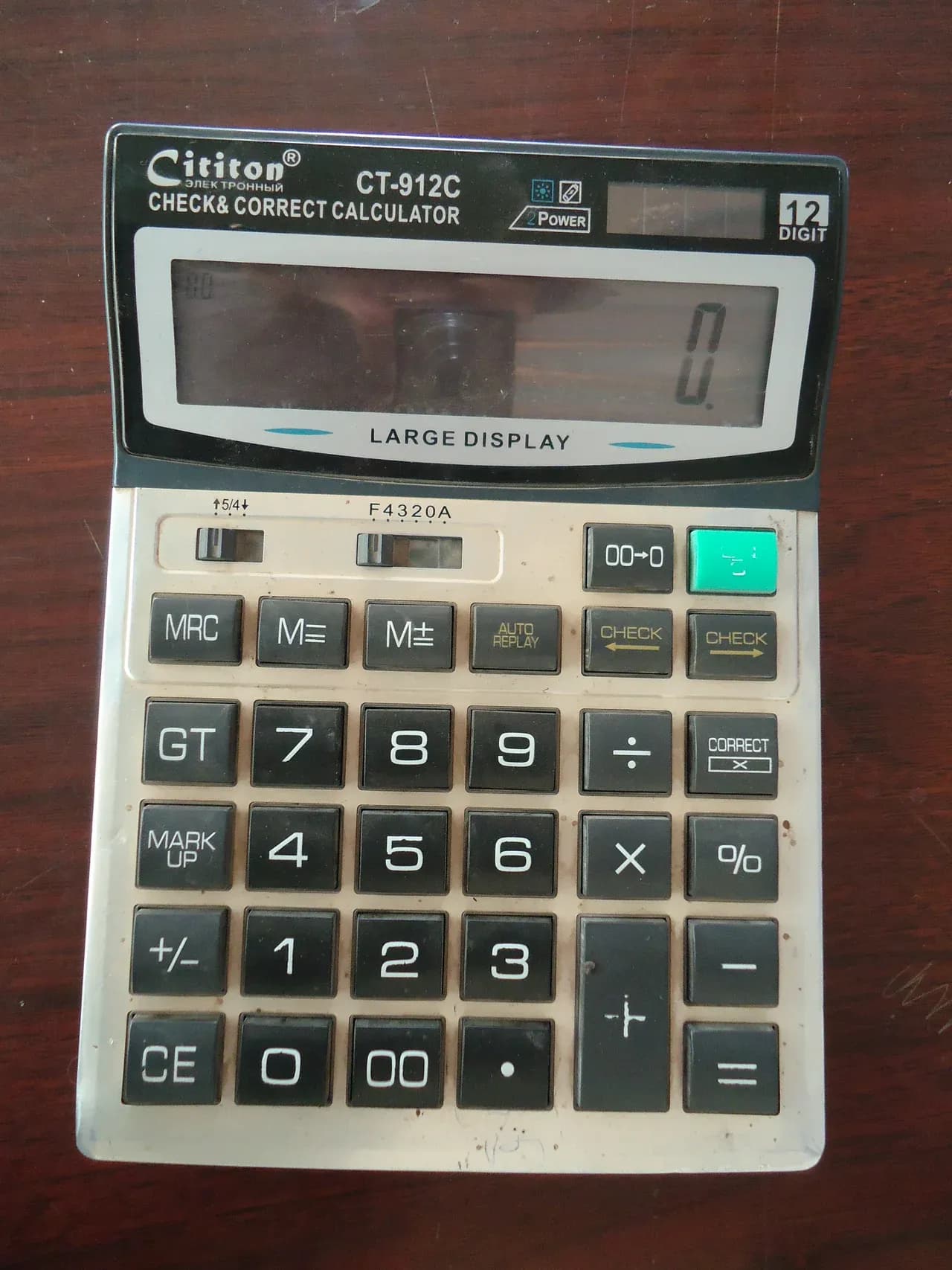

When a property manager sends a monthly statement, the amount transferred to the owner is only one part of the account. Begin with the funds carried forward, add the recorded receipts, subtract the recorded payments and ask what remains held at the closing date. For an owner of property in Syria, this review connects a supplied statement to supporting records and unanswered questions. It does not certify accounts, establish a manager’s authority or determine taxable income.
Agree first what the statement is meant to cover. An account of money held and moved is different from an income forecast, a list of unpaid bills or a report on repair progress. Those other records may be useful, but they should not be mixed into a cash movement total without an explanation. The following method is an administrative comparison for the owner and their adviser.
Fix the reporting boundary
Identify the property, the person preparing the statement, the beginning and ending dates, and the currency. Ask whether the figures describe one unit or several properties. A manager’s combined account balance cannot automatically be treated as the amount held for your apartment. Request the explanation connecting the property’s own record to any wider account.
Put the previous closing statement beside the new opening figure. They should connect, or the preparer should explain a dated correction or other change. Do not adjust your copy simply to make the numbers match. Retain the original statements and the explanation so your accountant can follow what changed and why.
Quicken’s account reconciliation guidance checks statement dates, opening and closing balances and individual transactions in its software context. Here those are useful questions for reviewing supplied records; using this article does not require that product or establish that any Syrian account can connect to it.
Trace movements without counting commitments as payments
For each receipt, request a date, amount, original currency, description and supporting reference. Keep funds supplied by the owner distinguishable from amounts described as collected from an occupant. Ask the preparer how money held for another party is identified. Its legal and accounting treatment belongs with the relevant professional, rather than being decided by the label in a spreadsheet.
For each outgoing amount, distinguish an invoice, an approved request and evidence of a payment. A bill still awaiting payment can belong in a separate commitments list while remaining outside the statement’s actual paid total. Likewise, a payment to the owner should have its own reference; it should not disappear into a general expenses line.
Match documents to events. Two pieces of supporting evidence can describe the same transfer, while one transfer can cover several identified charges. Ask for the breakdown rather than assuming one document always equals one transaction. Keep the relationship visible when you mark an entry as explained. That status records your review, not independent authentication of the document.


Work through a small balance example
In a hypothetical single-currency example, the manager begins the month holding 20 neutral units for the property. The statement records 100 received, 30 paid for documented property costs and 70 transferred to the owner. The arithmetic leaves 20 units held at the end: 20 plus 100, less 30 and less 70. These invented figures are not Syrian fees, rents or an investment return.
Now suppose the statement also lists a repair invoice of eight units awaiting payment. If the stated method records actual movements, those eight have not yet reduced the 20 held. They are a separate possible use of that balance. Ask which amount has been committed, which remains available under the actual arrangement and who decides the next payment. Do not call all 20 distributable solely because the arithmetic balances.
If the owner received only 65 of the stated 70, record the five-unit difference and request the transfer explanation. Timing, a charge, a different currency or an error may need investigation. None should be assumed. Keep the manager’s reported outgoing amount and the owner’s observed incoming amount as separate evidence until the difference is explained.
Resolve exceptions without rewriting history
Create a short exceptions list with the line reference, question, requested evidence and person expected to respond. An unexplained opening balance needs a different answer from a duplicated receipt or a payment attributed to the wrong apartment. Describe the discrepancy precisely so a reply can address it instead of producing another unexplained total.
Intuit’s beginning-balance troubleshooting guidance discusses changes to previously reconciled transactions in QuickBooks. The limited lesson is to investigate the history of a mismatch. This is not an instruction to edit a manager’s accounting system, recreate an entry or make an unsupported balancing adjustment.
Request a dated corrected statement when the preparer identifies an error. Keep the earlier version alongside it, with a note naming the changed entries. If an explanation remains disputed or the amounts matter to a decision, take the records to an appropriate independent accountant or legal adviser. A spreadsheet that adds up cannot resolve a question about authority, ownership of funds or the validity of a charge.
Connect the review to the next operating decision
Read the statement together with the actual management scope. Our property management proposal guide helps distinguish reporting, arranging work and making decisions. An owner should be able to connect a charged activity to the relevant arrangement and approval without assuming that every item on a monthly statement was authorised.
Carry unresolved balances and pending questions into the following review. Set a practical response date with the person responsible, and identify any forthcoming decision that needs the answer. Avoid closing a query merely because the next month has arrived. The remote ownership routine places this money review beside access, condition updates and task approvals.
Limit supporting documents to the people who need them. A property-specific explanation can often be discussed without circulating another tenant’s identity or unrelated transactions from a combined account. Agree with your adviser how relevant evidence should be supplied. Never publish account credentials or private statements to obtain informal opinions.
Finish with four clearly labelled results: the opening amount understood, movements explained, closing amount reported and exceptions still open. Add the date and scope of your review. This gives the next owner decision a traceable starting point while leaving professional accounting conclusions, contractual obligations and the manager’s actual custody of funds subject to the checks they require.
Continue your research

Planning a Records Handover When Changing Property Managers
Plan a property manager records handover in Syria, matching deliveries, open tasks and closing reports to named recipients and agreed follow-up actions.
Read more
Preparing a Pre-Work Condition Record for a Renovation
Prepare a dated condition record before renovating a property in Syria, covering retained features, access routes, photo references, review comments and gaps.
Read moreSources & review
Last reviewed:
PUT YOUR RESEARCH TO WORK
Start with a place.
Explore Syria’s cities and narrow your property search.