About Syria
Latakia: A Guide to the City and Its Coastal Setting
Explore Latakia through dated city and harbour photographs, distinguish sea views from waterfront access, and prepare address-specific questions for a home.
In this article

Latakia's coastal setting is an appealing starting point for a city search, but “by the sea” leaves a great deal unexplained. A view towards the water, an address beside a waterfront road and a location within a port city describe different things. This guide helps you read those distinctions before making the sea the deciding feature of a possible home.
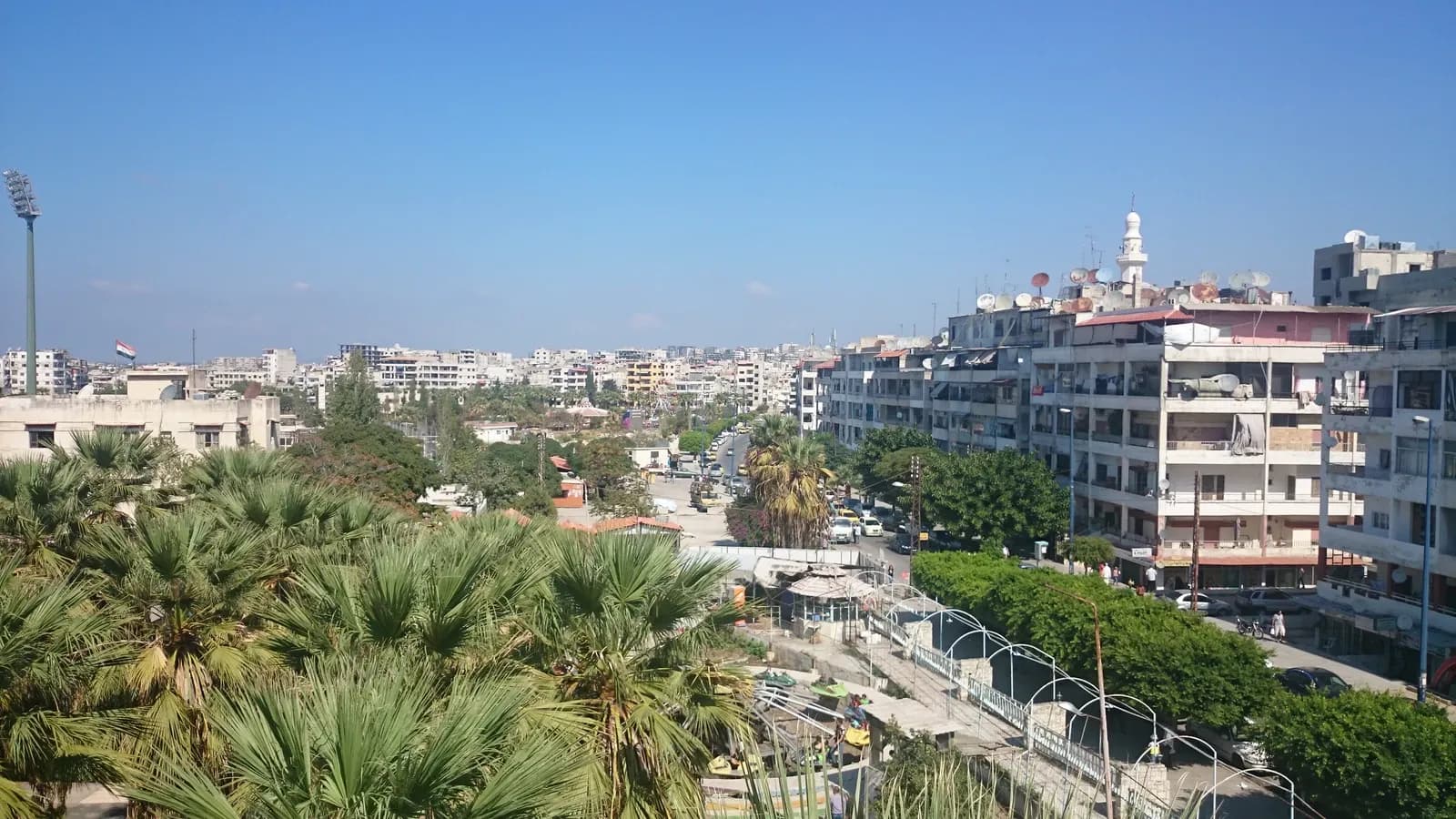
Start with the city around the photograph. Look for the street pattern, the buildings between the camera and the horizon, and the position from which the picture was taken. Then locate the actual address. The coastal landscape can give you a reason to explore Latakia; the relationship between a particular home and that landscape needs a closer look.
A port city has more than one waterfront story
UN-Habitat's Lattakia city-profile catalogue identifies the city's Mediterranean setting and port role. It describes a study combining a pre-2011 baseline with an assessment of the crisis's impact. The associated City Profile of Lattakia is dated June 2014. Its use of “current situation” belongs to that study period, rather than to the date on which you happen to open the catalogue.
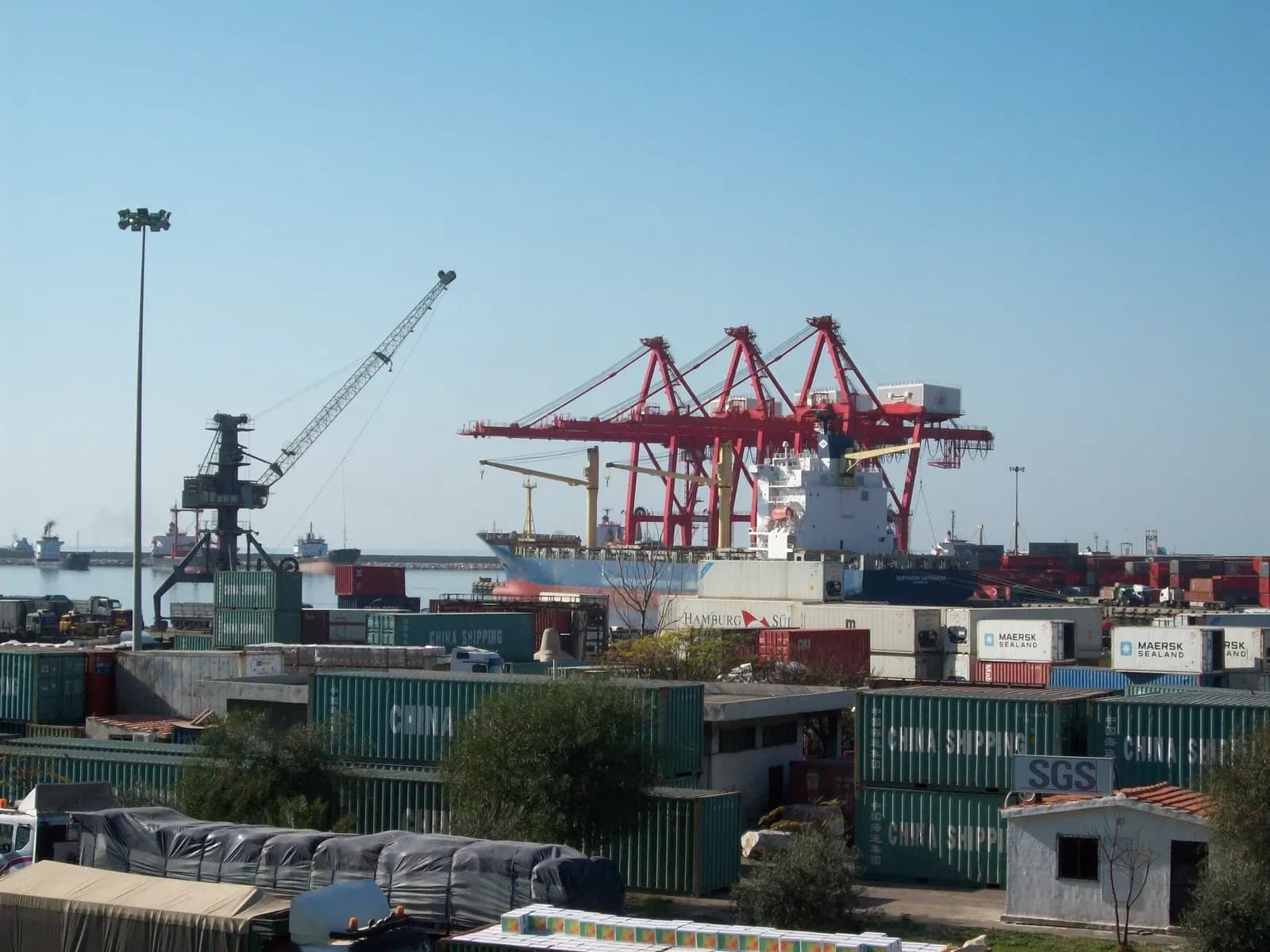
For a first orientation, keep the port, the urban streets and your proposed address as separate features on the map. A harbour photograph can explain why the sea matters to the city without showing a recreational beach or a residential frontage. Likewise, the presence of a port does not establish a particular building's noise level, employment connections or daily access.
Use the profile as a dated research reference. A household choosing an address needs current, location-specific answers to its own questions, especially where daily journeys or services are central to the decision.
Read the two archive photographs at different scales
Jadd Haidar's November 2014 city photograph shows multi-storey blocks, balconies, a street extending between buildings and foreground palms. It is a city-scale view of ordinary urban form. You can notice how buildings and streets share the frame without identifying any pictured unit as available, inspected or unchanged today.
Fadi Shaheen's June 2008 harbour photograph shows cranes, a ship and stacked containers. Its subject is the working port. That is a useful contrast to a photograph chosen only for an open sea horizon. Both images belong to Latakia, but they answer different visual questions about its setting.
Their credits and capture dates remain visible. We have not used either as a current condition assessment or property advertisement. When you collect your own reference images, make the same distinction: an accurately identified city photograph belongs in the background research; a dated image of the exact home belongs in the candidate's file.
Turn “sea view” into a precise description
A sea view can be broad or partial, visible from one room or only from a balcony. Before assigning it much weight, ask which opening the photograph was taken from and whether that opening belongs to the offered unit. Record the floor and viewing direction when they can be confirmed.
Describe what occupies the foreground. There might be a road, another building, a roof or a strip of land between the observer and the water. A distant horizon is still a view, but it is different from direct access to a waterfront. Neither phrase tells you whether the household's intended daily route is convenient.
Ask for a wider image that includes the window or balcony edge as well as the outlook. That helps connect the scene to the room. Avoid treating a tightly framed water photograph as a complete description of the surroundings. If the view is decisive, leave the question open until it has been checked at the specific address.

Trace the journey from the entrance
It is easy to judge a location from a map pin and overlook where the building actually opens onto the street. Identify the entrance and the route from it to the destination you care about. Consider walking and vehicle access separately; the most direct-looking line on a map is not itself a description of either route.
Make the enquiry concrete. If you want to walk beside the water, name the starting entrance and the intended waterfront location. If you need to reach work, a school or relatives, name that destination instead. Ask how the route can be checked for the relevant date and circumstances, without relying on old photographs or an undated travel estimate.
Our property viewing-trip guide helps you organise the observations you need. Any visit also depends on appropriate current access and travel information; this city introduction does not establish those conditions.
Examine the opening as well as the outlook
The room that supplies a pleasant view still has to work as a room. Notice the window position, the furniture that might sit near it, the balcony threshold and how the opening relates to privacy. An appealing photograph can leave all of these details outside the frame.
Do not infer daylight throughout the home from the brightness of the horizon. Other rooms may face a different direction or have different surroundings. Our guide to natural light and property photographs explains how to ask for room-specific evidence.
Visible finishes need their own review too. Record marks, damaged surfaces or maintenance questions without diagnosing their cause from the city's coastal label. A specialist can assess relevant concerns at the building; a general statement about living near the sea cannot establish the condition of an individual window, railing or wall.
Keep the coast in the brief, with the home beside it
Write down what you hope the coastal setting will add to daily life. It could be an outlook from a sitting room, a particular outdoor routine, or proximity to someone you know. Then describe the evidence needed for that preference. This turns “I like the sea” into a useful part of a property brief.
Give the rest of the home equal space in the record: layout, entrance, storage, services and document questions. The property brief guide offers a structured starting point. A clear brief lets you enjoy Latakia's coastal character while comparing actual homes on details you can identify and check.
Continue your research
Raqqa and Al-Hasakah: Starting Your Regional Research
Start Raqqa and Al-Hasakah research with clear geographic scope, dated photographs and place-name records before comparing evidence for specific homes.
Read more
Deir ez-Zor and the Euphrates: Geographic Context
Locate Deir ez-Zor through dated river photographs and urban research, then separate geographic context from the address and access evidence a home needs.
Read moreSources & review
Last reviewed:
PUT YOUR RESEARCH TO WORK
Start with a place.
Explore Syria’s cities and narrow your property search.