Investment Handbook
How to Brief a Photographer for a Property Listing
Brief a photographer for a Syrian property listing with an accurate room route, truthful editing limits, privacy checks and useful image descriptions.
In this article
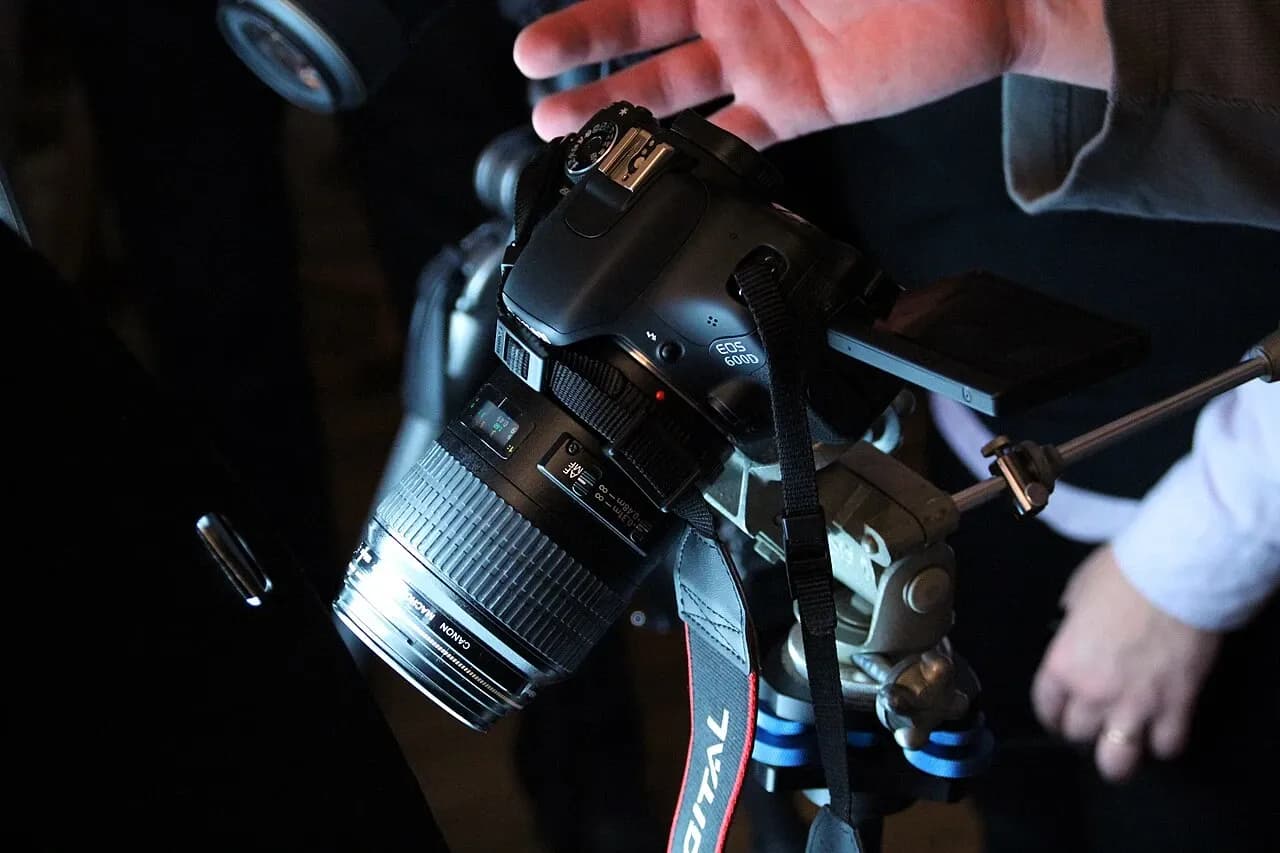

A useful property photograph answers a buyer's or renter's question about a real space. Before booking a photographer for a Syrian home, write a brief that identifies the exact unit, what is included, when it will be photographed, and what must not be hidden. Good light and a clear composition help people understand the rooms; they cannot turn an uncertain right, unfinished repair or absent service into a verified feature. This guide is about making accurate listing material, not promising a faster sale or a particular price.
Start with the property record
Give the photographer a room list and a simple route through the unit. Include the entrance, living spaces, bedrooms, kitchen, bathrooms and any outdoor area that is genuinely part of the offer. Mark shared spaces separately and ask the owner or lawyer to resolve uncertain access before the image is captioned. A photograph of a courtyard might be visually appealing but misleading if the buyer would have no right to use it. The boundaries and access guide explains why a visible feature does not by itself establish a property right.
Provide a dated list of included fixtures and movable items. A chair or lamp may be present only for the shoot. If it will be removed, the caption and listing should say so. Record the condition of the home before styling begins. An open repair should remain documented, even if its close-up is not selected as the hero image. The tenancy inventory guide offers a room-by-room method for separating included items from visible background objects.
Choose views that explain the layout
Ask for one establishing image from each room that shows how doors, windows and major fixed elements relate. Then request detail images only when they add information: a balcony threshold, storage depth, kitchen worktop or shared entrance. Photograph the route between rooms where circulation is a selling point or a possible limitation. A set of beautiful isolated corners may leave the viewer unable to understand the plan. The apartment layout article provides questions about everyday movement that can guide the shot list.
Agree a practical time of day based on access and the direction of light. Do not promise that a room is always bright because it looked bright during one session. Keep curtains, electric lights and exposure choices reasonably consistent so adjoining spaces are comparable. If the home has a significant view, include a frame showing the actual window or balcony from which it can be seen. Do not use a view from another floor or nearby street as if it belongs to the unit. A floor plan and measurements can complement photographs, but neither should be invented from a wide-angle image.
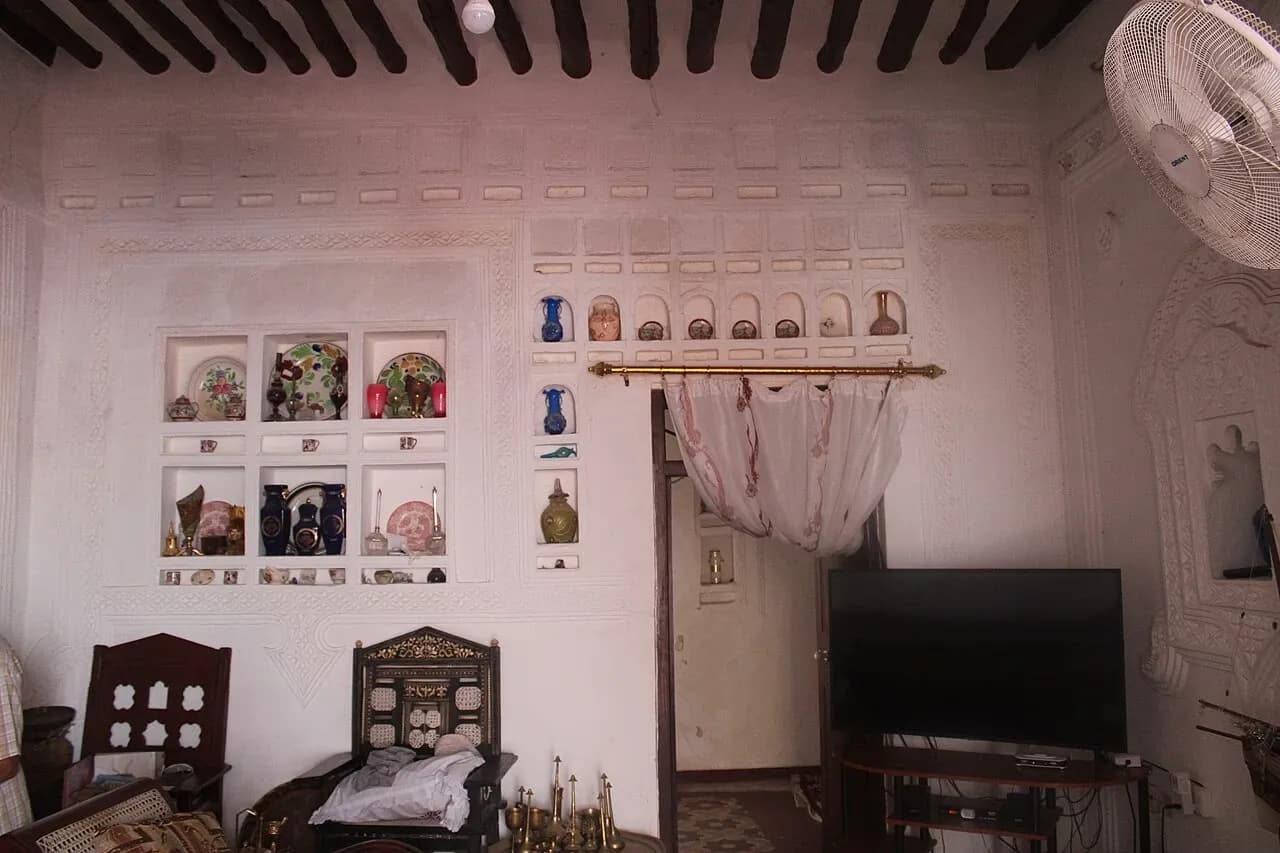

Protect accuracy during editing
Ask the photographer to correct normal exposure and colour without removing cracks, damp marks, neighbouring buildings or other meaningful context. Do not stretch a room, substitute a sky, erase cables or remove a fixed obstruction. A wide lens can be useful in a small space; choose a perspective that does not make the dimensions implausible, and provide measurements separately. Keep the original files and a record of edited exports so changes can be checked later.
The UK government's lettings-professional guidance calls for accurate property information in its UK context. It does not set Syrian listing law. The relevant editorial principle is that images should give a fair impression of the property being offered. If repairs or furnishings change after the shoot, update the image set or note the difference; an old photograph does not become current because the listing remains online.
Plan privacy and permission before the camera arrives
If someone occupies the home, agree a time and the spaces that can be photographed. Put away identity documents, family photographs, medication, security codes and other private details. Check mirrors and reflective glass before approving the set. Do not photograph a person or a neighbouring private interior without appropriate permission. A key box or alarm control visible in a listing can reveal more than the owner intends. Decide who holds the originals, who may publish them, for which property and for how long. Confirm the photographer's usage permission in writing instead of assuming that paying for the shoot transfers every right.
Google's image guidance recommends descriptive filenames, relevant page context and useful alt text for image discovery and accessibility. That is a publishing practice, not a promise of search ranking. Use a filename that identifies the room and property record without exposing a private address where unnecessary. Write alt text describing what the frame actually shows, such as a living room with two windows opening toward a balcony, rather than a string of location keywords.
Deliver a short, checkable brief
The brief can be one page: property identifier, contact and access time, room route, required wide and detail shots, included and excluded spaces, unresolved condition issues, privacy limits, editing boundaries, file delivery and permitted use. Ask for a small proof set before final export. Compare it with the property record and the current listing description, not just with your preferred style. The rental viewing guide helps test whether the resulting images prepare a visitor for the actual route.
If a photo raises a question—about a shared terrace, a visible stain or a missing appliance—resolve it in the description or with a new image. A credible listing should let a reader recognise the home when they arrive. The photographer's job is to make that recognition easier; the owner remains responsible for checking what the images claim.
Continue your research
Keeping Property Viewing Feedback Useful When Selling
Organise property viewing feedback in Syria by visit, source and unresolved question, then track clear follow-up without treating comments as market evidence.
Read more
Preparing Limited Property Document Copies for Sharing
Prepare clearly labelled property document copies in Syria for a defined recipient and purpose, preserving originals and checking exported files and later versions.
Read moreSources & review
Last reviewed:
PUT YOUR RESEARCH TO WORK
Start with a place.
Explore Syria’s cities and narrow your property search.