Blog
Syrian Property Market
The Syrian property market is easier to research when every claim is connected to a place, a date and a source. This section helps readers interpret listings, comparisons and economic context without confusing an advertised price with a completed transaction.…
Read more
It brings together practical reading about evidence, definitions and the questions behind a market statement. Use it alongside a property search, keeping the information about an individual building separate from broad commentary about the market.
Start with the question you actually need answered. A household deciding whether an apartment suits its routine needs different information from someone comparing several locations or investigating the responsibilities of letting a property. A market headline may be interesting without resolving any of those decisions. Define the property type, location, time period and purpose of your research before deciding whether a report or listing is relevant. This gives you a way to distinguish useful evidence from information that simply sounds important.
The Market Research subcategory focuses on the material you encounter while searching: asking prices, comparison sheets, reports, photographs and the limits of small samples. Its articles explain how to retain original information, label assumptions and avoid comparing properties on inconsistent terms. The aim is to help you organise questions and recognise gaps. A personal shortlist is useful, but it should not be described as a market index or a professional valuation merely because it contains several prices and an average.
The Economy and Housing subcategory is intended for the broader forces that can affect property decisions. Economic statistics, construction activity, household needs and the timing of published information can provide context when they are supported by suitable sources. Context still needs interpretation. A national indicator does not establish the price, condition or expected performance of a particular apartment. Where the available evidence does not support a conclusion about an individual property, that limitation should remain visible rather than being filled with a confident prediction.
Every price comparison should preserve the original asking currency and the date on which the amount was recorded. A converted figure is a working comparison, not a replacement for the seller's stated amount or the terms of an actual payment. Note the exchange rate used if you convert values, and keep unknown charges or costs separate from known amounts. An empty field should mean that information is missing; entering zero can accidentally make an incomplete property record look cheaper than a better documented alternative.
Location needs similar care. A city name alone may be too broad for the question you are investigating. Record the stated neighbourhood, the exact location where available and the source of that information. If two properties are described as being near the same landmark, investigate what that description means for each one. Their approaches, surroundings and practical suitability may still differ. A city guide can explain cultural and geographic context, while a property-specific record should contain the evidence about the actual address being considered.
Measurements also need definitions. Before comparing a price per square metre, ask what the stated area includes and how it was measured. A calculation can be arithmetically correct while comparing different things. Room dimensions, internal usable space and other advertised area measures should not be treated as interchangeable without clarification. Where a definition is missing, label the figure as unconfirmed and identify the question that would make the comparison more useful. Precision in the output cannot make up for uncertainty in the input.
Dates help you understand what a source can support. Keep the publication date of a report separate from the period its data covers, and distinguish both from the date you read it. A recent webpage may discuss older observations. An older photograph may be useful historical context while providing no confirmation of present condition. When new information arrives, preserve the previous record with its date instead of overwriting the history. This makes it easier to explain why a conclusion or a shortlist changed.
Pay attention to how properties were selected for a comparison. A collection of attractive advertisements may overrepresent the kinds of listings that are easiest to find or photograph. Repeated advertisements can also make one property appear to be several separate examples. State the boundaries of your sample: the area searched, the property types included and the criteria used to keep or remove entries. This is a practical habit that improves a personal comparison even when the information available is incomplete.
The articles in this section keep observations, attributed statements and interpretations distinct. An observation records what was seen or supplied. An attributed statement records what a named source says. An interpretation explains what the writer thinks the evidence may mean. Those categories should remain separate in your own notes too. If a statement concerns ownership, permission, technical condition or contractual obligations, identify the appropriate current professional or official review instead of treating general market commentary as a substitute.
Use this section as a companion to the rest of Properties Syria. About Syria provides location and cultural context. The Investment Handbook organises preparation, viewing and ownership questions. The property search is where location and property-type criteria become a practical shortlist. Moving between those resources should make your questions more specific, not create an impression that general content verifies a listing. Before taking a decision, bring the relevant records together and make clear which material questions have been answered and which still need evidence.


Market Research
Property market research begins with a clear record of what you know and how you know it. This subcategory helps readers turn scattered…
Explore this topic ↗Economy and Housing
Economy and Housing helps readers examine Syria's economic news, reconstruction estimates and infrastructure announcements before making a property decision. Its starting point is…
Explore this topic ↗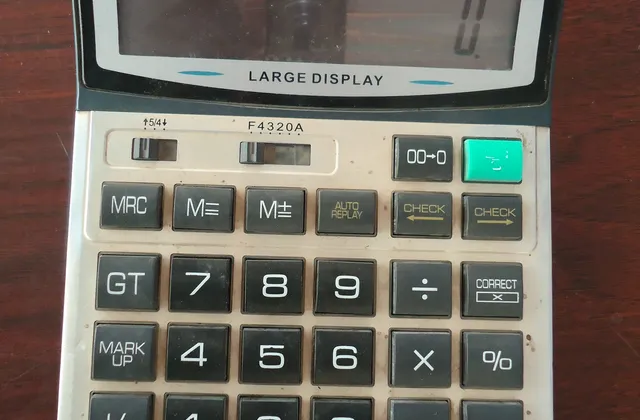
How to Keep a Useful Property Price Comparison Sheet
Build a property comparison sheet with dated sources, original currencies, defined measurements and clear labels for facts, estimates and unknowns.
Read more
Why Asking Prices Are Not the Same as Completed Sale Prices
Understand why advertised asking prices differ from completed sale evidence, and how to keep that distinction clear when comparing property in Syria.
Read more
Infrastructure Announcements: What Property Buyers Should Verify
Check infrastructure announcements in Syria by verifying sources, project stages and locations before drawing conclusions about services at a specific home.
Read more
How Exchange-Rate Changes Affect Property Comparisons
Compare property quotations over time by preserving currencies, dates and rate assumptions, with a clearly fictional example and practical budget questions.
Read more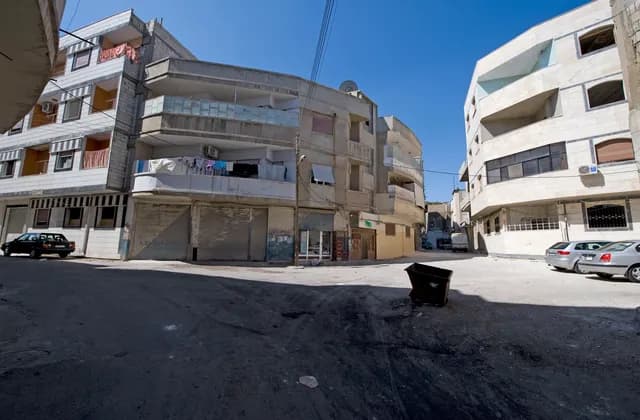
Distinguishing Housing Need from Investment Demand
Distinguish housing need from investment demand in Syria by examining household suitability, affordability and evidence about the proposed property.
Read more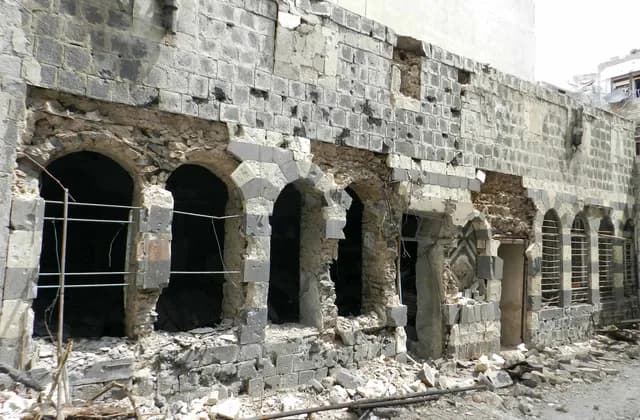
What Reconstruction Estimates Can and Cannot Tell a Buyer
Understand Syria reconstruction estimates by checking their scope and uncertainty, separating assessed need from funding, building condition and prices.
Read more
How to Read Syria Economic News as a Property Buyer
Read Syria economic news by checking the source, dates and claim type, then identify the specific evidence still needed for your property decision.
Read more
Why the Date of a Property Listing Matters
Track listing, photograph and confirmation dates in a Syrian property search to distinguish saved advertisements from recently checked terms.
Read more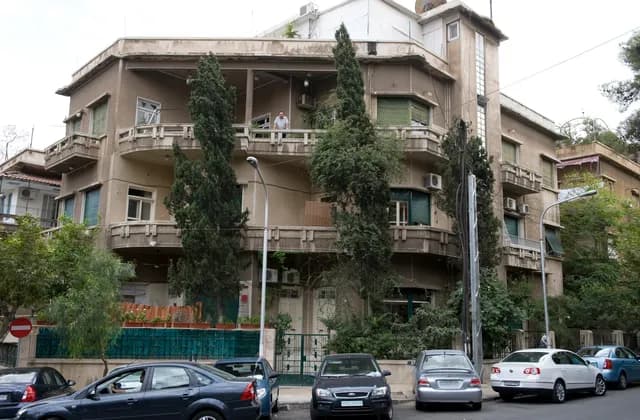
What Makes Two Property Listings Truly Comparable
Compare Syrian property listings by clarifying identity, area definitions, condition and quoted terms, keeping differences and open questions visible.
Read more
Reading a Property Market Report Without Overinterpreting It
Read a property market report by checking its source, geography, dates and methods before applying a broad headline to an individual home search in Syria.
Read more