Blog
What Makes an Apartment Layout Easy to Live In
Assess an apartment layout through everyday routines, circulation, storage, privacy and furniture needs before comparing the homes on your shortlist.
In this article
.jpg)
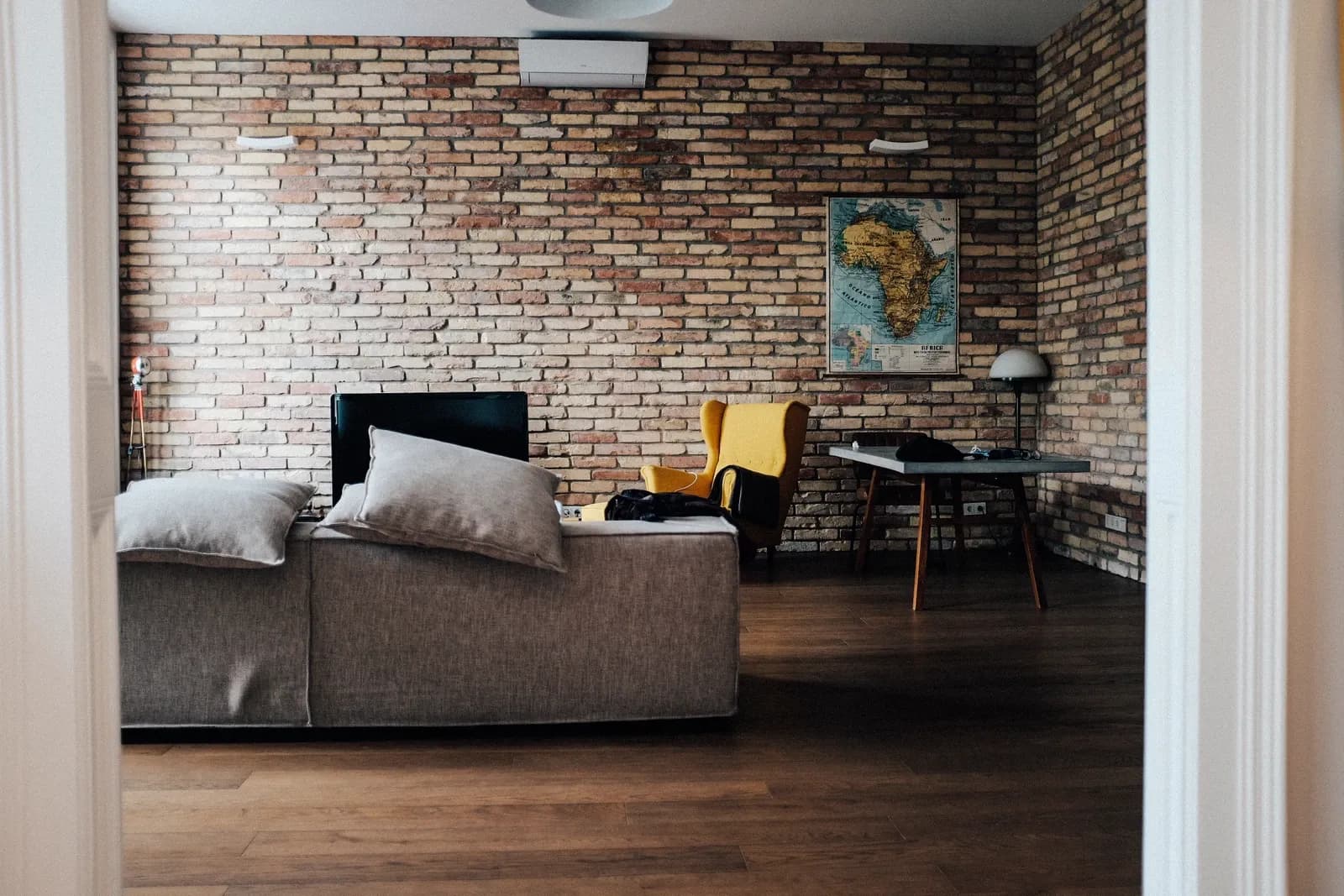
An apartment can have a generous advertised area and still feel awkward in daily use. Another can be smaller yet accommodate the household more comfortably because its rooms, storage and routes work together. When comparing apartments in Syria, look beyond the total area and ask how the layout supports an ordinary day. A good comparison connects each room to an activity rather than treating a room count as a complete description of the home.
There is no layout that suits every household. A person who works from home may value a door that separates work from family activity. Someone who hosts frequent guests may prioritise the relationship between the entrance, sitting area and bathroom. The useful question is not whether a plan looks fashionable, but whether it fits your actual routines without depending on unverified alterations.
Start with movement through the apartment
Trace the route from the entrance to the kitchen, living area and bedrooms. Notice whether daily movement passes through a room that someone needs to use privately. A bedroom that also serves as the route to another space may be unsuitable for your intended arrangement even if its measured size seems adequate.
Repeat the exercise with a practical task: carrying shopping, bringing in a suitcase or moving a piece of furniture. Door positions and narrow transitions can matter more than a large central room. Write down the measurements you need to confirm at a viewing. Do not assume that furniture symbols in a marketing drawing accurately demonstrate the clearance available around them.
Think about activities that happen together
List two or three activities that are likely to happen at the same time. One person may be cooking while another studies or takes a call. Children may be sleeping while guests remain in the sitting area. The relationship between those spaces can matter more than the individual rooms considered in isolation.
An open arrangement may make some activities easier while reducing separation for others. Treat that as a trade-off to evaluate, not a universal advantage or disadvantage. During a viewing, consider where doors can close and which spaces would remain usable when someone needs quiet. Sound performance itself needs evidence beyond the floor plan, so use these observations to identify questions rather than to claim acoustic quality.
Give storage a real location
Storage is often discussed as a preference and then forgotten when evaluating a plan. Identify where everyday items, cleaning equipment, seasonal belongings and luggage would go. A room can appear spacious when empty but lose much of its useful area once the household's storage needs are accommodated.
Look for uninterrupted wall lengths and check the effect of doors, windows and fixed fittings. If an alcove appears suitable for a cupboard, obtain its dimensions. Keep proposed fitted storage separate from what is included in the purchase. A sketch of a cupboard is a planning idea until its feasibility, cost and specification are understood.
Compare usable space with advertised space
Ask what the stated area includes and how it was measured. Balconies, walls, shared elements and internal rooms should not be assumed to be treated identically across advertisements. Record the explanation supplied for each property and avoid comparing unlike measurements as though they were equivalent.
Then examine the spaces you will actually use. A long corridor may provide separation but also account for part of the total area. An irregular corner may be useful for a desk or may be difficult to furnish. Rather than declaring either feature inherently wasteful, connect it to the household's needs and test whether the remaining rooms still work.

Consider light without relying on one photograph
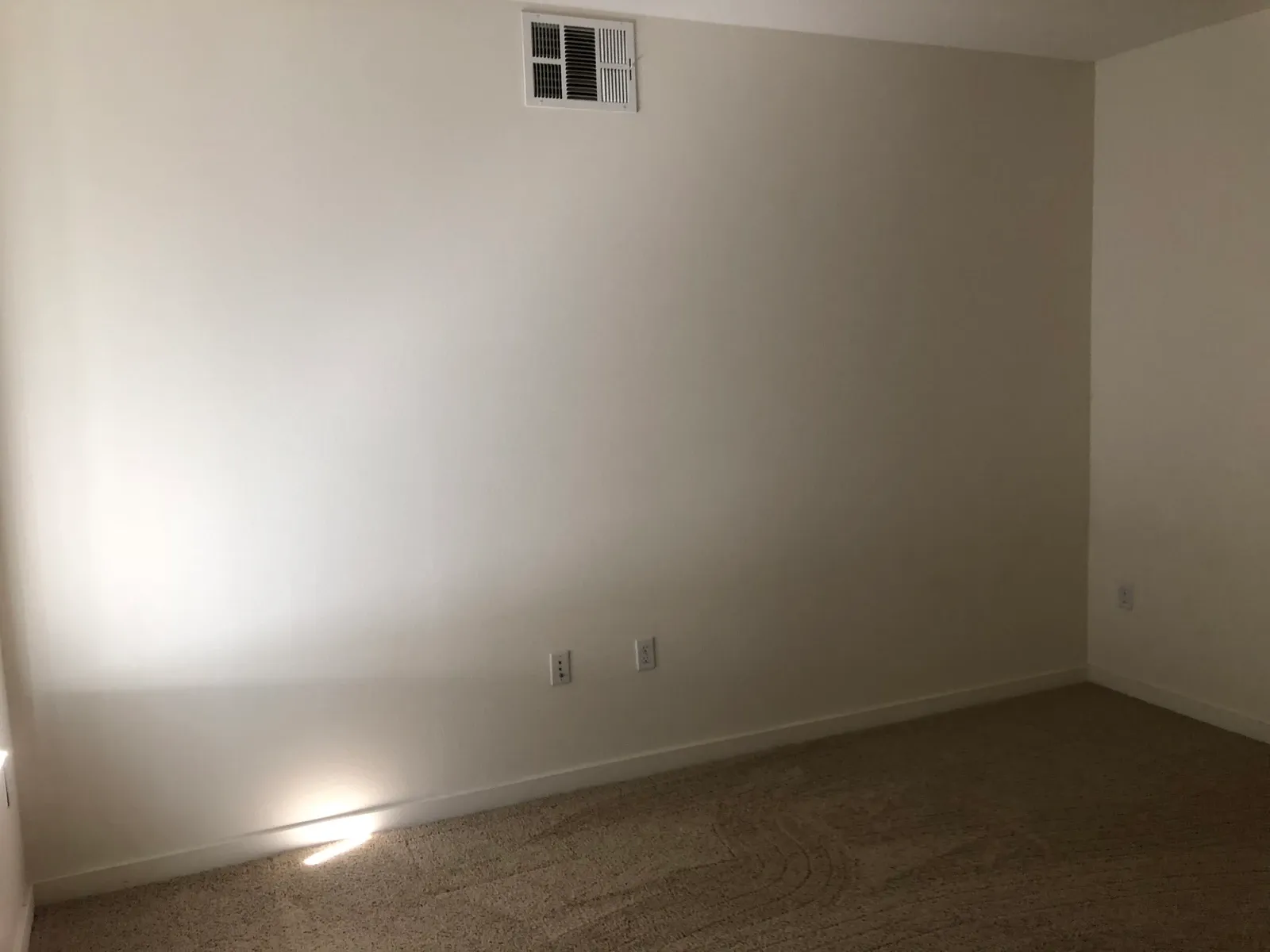
Locate the windows and identify the direction they face where reliable information is available. Ask how surrounding buildings affect the openings. A bright photograph taken at one time does not establish the experience throughout the day, and a floor plan cannot tell you everything about the external setting.
If light is important to your decision, make it a specific question for a viewing or a dated video call. Record the time and the rooms observed. Keep the observation factual: which openings were visible, where daylight reached and what remained unclear. Avoid turning a single observation into a claim that a property is always bright or private.
Look closely at the entrance and service spaces
The entrance needs to handle arrival as well as departure. Consider where shoes, coats, keys and bags would go, and whether opening the entrance door exposes a private part of the home. These details can influence everyday comfort without being obvious in a photograph of the main living room.
In the kitchen and bathrooms, check the relationship between fixtures, doors and the clear space around them. Ask what is actually installed and what a plan merely proposes. Technical condition, ventilation performance and alterations need appropriate professional assessment; they cannot be established by a pleasing arrangement of symbols on a drawing.
Separate adaptability from assumed renovation
A room that can serve as either a study or a guest room may provide useful flexibility without major work. Removing a wall, relocating services or changing the use of a space is a different proposition. Do not count on those changes until the relevant technical and permission questions have been assessed.
Write two descriptions of a shortlisted apartment: how it works now, and how you would like it to work after any proposed changes. If the current arrangement does not meet essential needs, the second description becomes a material part of the purchase decision. Its uncertainties should be visible in the budget and review process instead of being hidden behind the word “potential.”
Make the comparison personal and repeatable
Use the same list of routines when comparing the next apartment. Record what works, what does not and what needs confirmation. This makes the shortlist less dependent on the order of viewings or the impact of a particularly attractive presentation. It also helps other household members explain their preferences in concrete terms.
Browse the Syria property search with those routines in mind, and use the Investment Handbook for preparation and viewing guidance. You can send a specific layout question through the contact page. The RICS Home Surveys guidance provides a useful distinction between personal observations and professional condition assessment. This article is a layout-comparison framework, not a technical report or a statement about Syrian building requirements.
Continue your research
Comparing Window Privacy During a Property Viewing
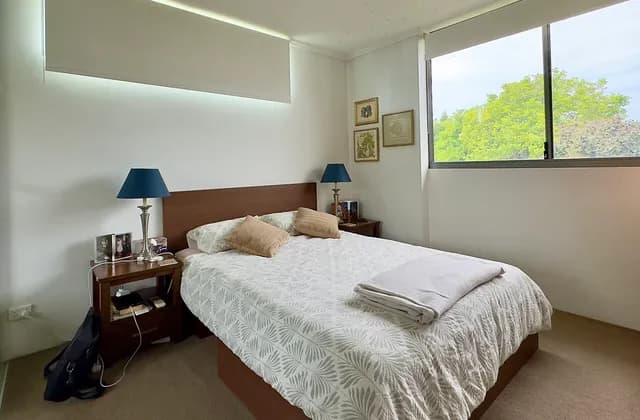
Compare window privacy during a property viewing by checking room positions, curtains, blinds, daytime and evening conditions, and what the sale includes.
Read more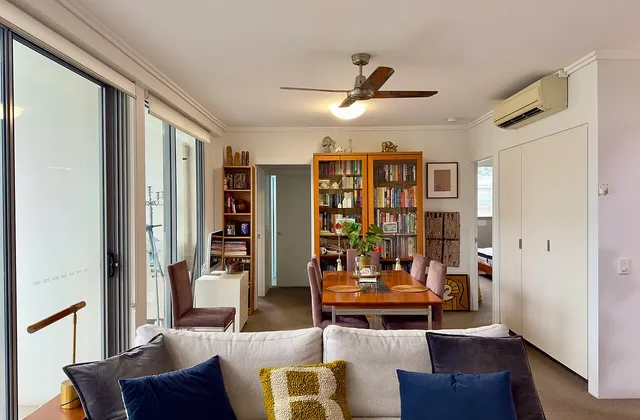
Comparing Dining Space During a Property Viewing
Compare dining space during a property viewing by checking occupied chairs, doors, storage and serving routes for everyday meals and occasional guests.
Read moreSources & review
Last reviewed:
PUT YOUR RESEARCH TO WORK
Start with a place.
Explore Syria’s cities and narrow your property search.