Investment Handbook
Planning a Renovation in Phases
Plan a Syrian property renovation in phases using condition evidence, work dependencies, written scope, budget pause points and checked handovers.
In this article
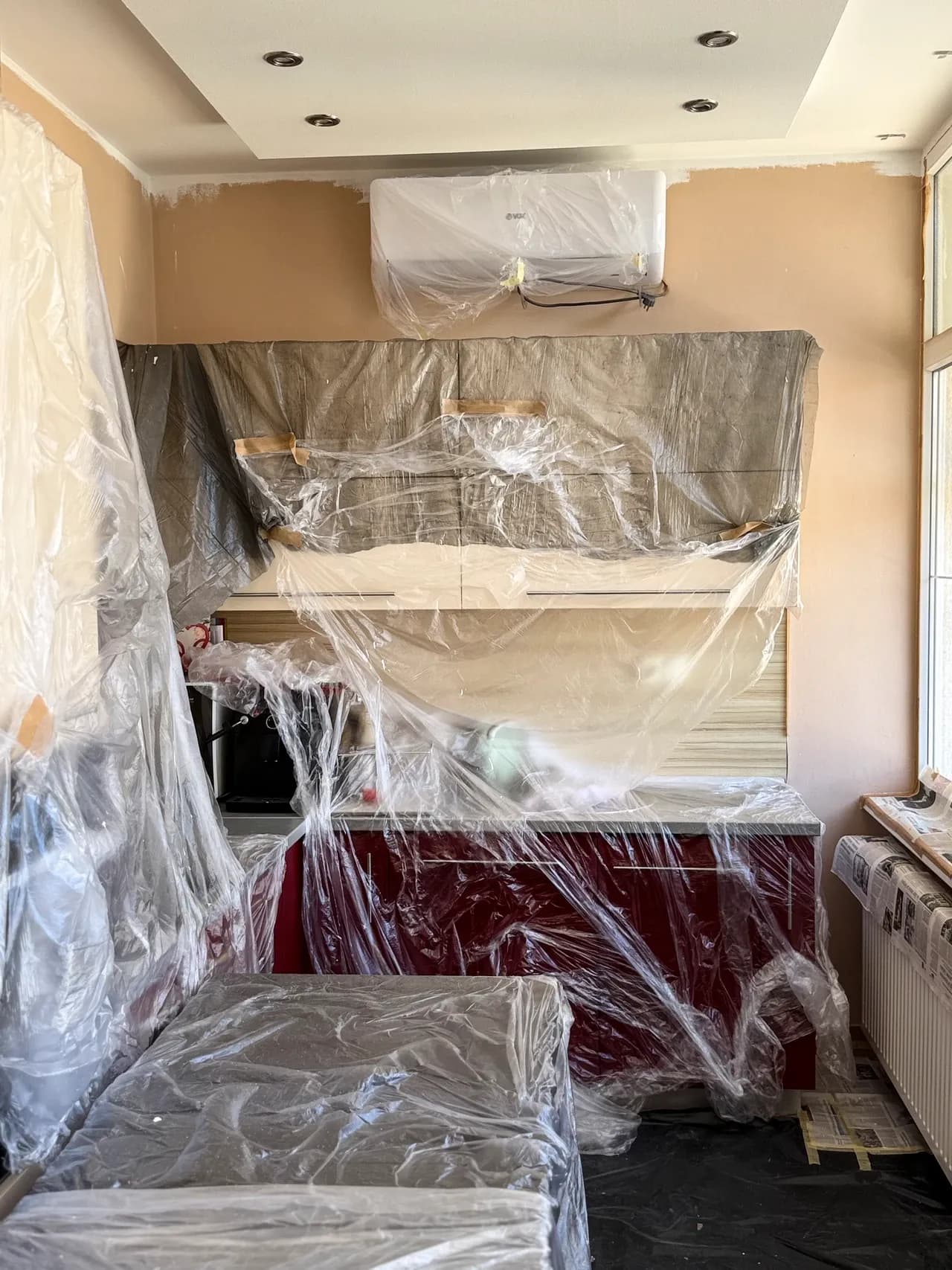

A phased renovation lets an owner make decisions as the property's condition becomes clearer. It is especially useful when the home must remain partly usable, the budget has limits, or the owner cannot supervise every day. The sequence should follow the actual building: investigate risks first, define work that affects other work, then finish rooms and fittings. It is not a universal Syrian construction schedule. A qualified local professional should assess structural, electrical, plumbing and other safety questions before the owner treats any room as ready.
Start with evidence, not a shopping list
Walk through the property with the existing handover record and mark what is observed, what a professional has confirmed, and what remains unknown. A stained ceiling, a loose socket and a worn paint finish are three different questions. A visible stain does not identify the water source; the socket should not be tested by an unqualified visitor; paint can usually wait while more consequential issues are resolved. Photograph locations with a date and keep an issue number for each. The property repair log gives a useful way to keep findings and later work connected.
Ask an appropriate professional what needs investigation before design or pricing. RICS explains that a home survey follows a physical inspection and reports on condition and risk in its UK context. A UK survey is not a Syrian approval or specification, but the distinction between seeing a problem and assessing it professionally matters everywhere. Record the inspection's limits, such as inaccessible roof space or concealed services. An estimate built on an assumed sound structure is not a fixed plan if that assumption has never been checked.
Make the phases follow dependencies
Begin with any work needed to make the property safe for the intended use, as advised by qualified people. Next address the source of active deterioration. Then plan work behind walls or below finishes before ordering new surfaces. Only after those dependencies are understood should the owner schedule paint, joinery or furnishing. This order prevents a newly decorated wall from being opened to reach an unresolved pipe. It is a planning logic, not a claim that every Syrian property needs the same repairs.
For each phase, write its objective, rooms affected, prerequisites, access requirements and a clear end condition. “Bathroom phase complete” is too vague. “The agreed plumbing investigation is documented, approved repair is finished, the installer has supplied an invoice, and the owner has a dated record of the visible result” is testable. The US EPA's moisture-control guidance discusses water movement through roofs, walls, plumbing and building operation. It is general technical guidance from the United States. Its relevance is that a damp finish should not be treated as a decoration task until the cause is investigated.

Budget each phase with an explicit pause point
Keep three columns: a quoted amount, an approved commitment and an amount actually paid. Record currency and quote date. Add work that has not yet been priced as an unknown rather than entering zero. The itemised estimate guide explains how scope, quantities and exclusions change a comparison. A quote for one room should say whether making good an adjacent room is included. Ask who supplies materials, removes waste and protects occupied parts of the home.
Choose a pause point before each phase begins. If an inspection uncovers a wider problem, stop the discretionary next phase, obtain a revised scope and decide whether the available reserve still covers the priorities. Do not make the remaining work appear affordable by ignoring a newly discovered obligation. The full purchase budget can help place renovation beside other ownership costs. A reserve amount should come from the owner's circumstances and current evidence; this guide does not prescribe a percentage.
Protect use and access during the work
Map where occupants will live, enter, cook, wash and store essential items while a room is unavailable. If the plan depends on one bathroom or entrance staying open, put that condition in the scope and confirm it with the contractor before work starts. Ask how dust, noise, deliveries and tools will affect neighbours or shared areas. Check any required permissions or building rules with the relevant local people and an independent Syrian adviser; never assume that ownership alone authorises a structural or shared-building alteration.
If the owner is abroad, name the person who can admit workers, photograph progress and report a change. Keep their authority narrow and written. The remote ownership routine separates access, observation and owner approval. A photograph can confirm that a wall has been painted; it cannot certify concealed electrical work. Agree which specialist evidence is needed for each technical task and who checks it before the next trade covers the work.
Finish one phase before opening another
At the end of a phase, compare the result with the approved scope, note any omissions, collect invoices and instruction changes, and record what still needs follow-up. Keep dated photographs from consistent positions. If the work is dependent on weather or use, schedule a later check. For example, a repaired leak needs observation under relevant conditions; a dry-day photograph of new paint proves only the finish visible that day. Do not label the whole property “renovated” when several rooms remain untouched.
Review the remaining phases after each handover. A discovered defect may change the order, a room's actual dimensions may change the design, or an occupant's needs may change the timing. Preserve the earlier plan and mark the revision date so quotes and approvals still make sense. Phasing works when each pause produces better information and a deliberate next decision, not merely when work is split into smaller invoices.
Continue your research

Planning a Records Handover When Changing Property Managers
Plan a property manager records handover in Syria, matching deliveries, open tasks and closing reports to named recipients and agreed follow-up actions.
Read more
Preparing a Pre-Work Condition Record for a Renovation
Prepare a dated condition record before renovating a property in Syria, covering retained features, access routes, photo references, review comments and gaps.
Read moreSources & review
Last reviewed:
PUT YOUR RESEARCH TO WORK
Start with a place.
Explore Syria’s cities and narrow your property search.