Blog
Balconies, Terraces and Courtyards: Comparing Outdoor Space
Compare outdoor space by usable shape, access, shade and privacy, with real illustrative photographs and clear questions for a property viewing in Syria.
In this article
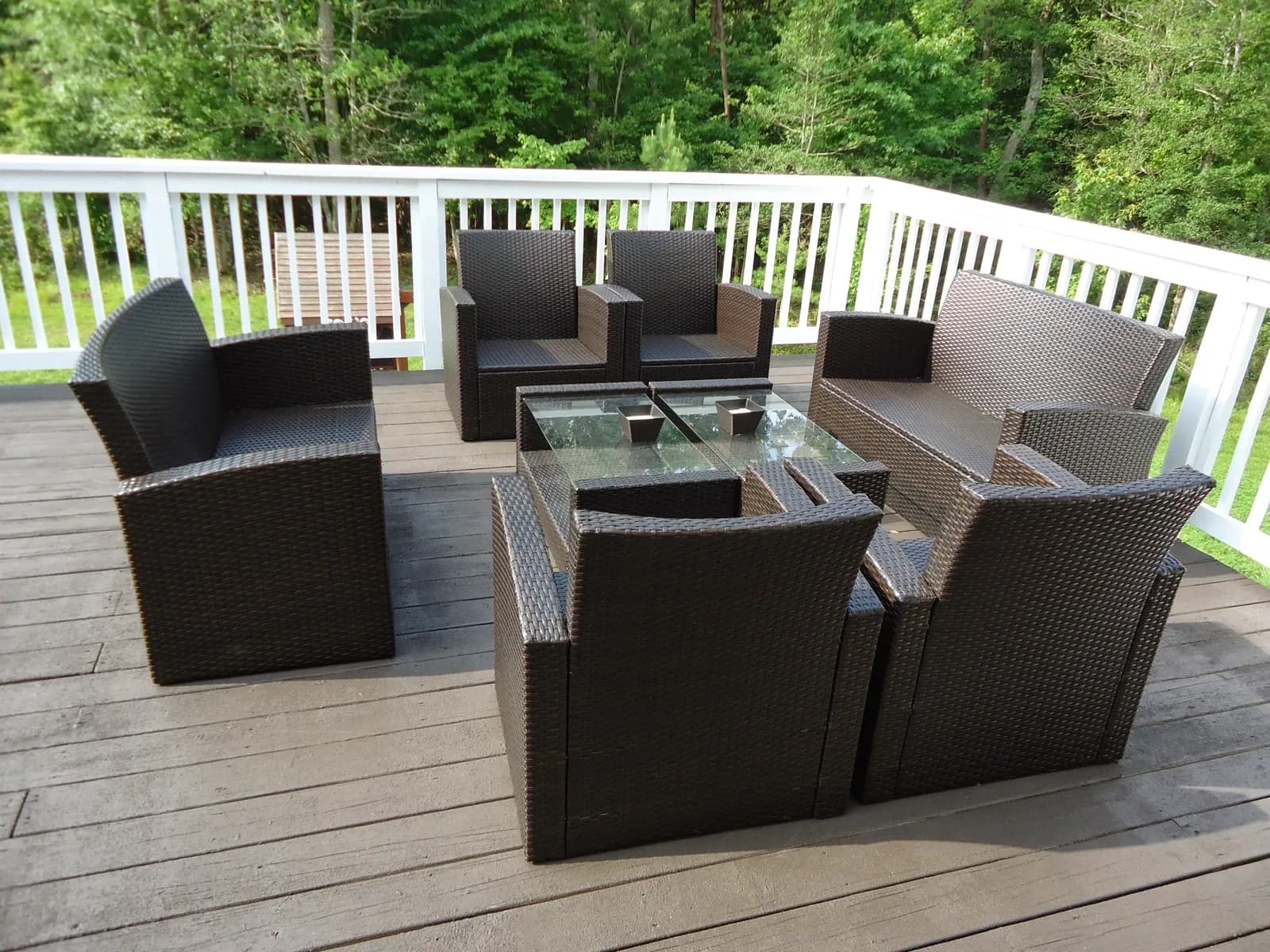

Outdoor space can change how an apartment feels, but a balcony, terrace and courtyard are not interchangeable simply because each appears as an attractive photograph. The useful space depends on its dimensions, access, relationship to the home and the activities you expect it to support. When comparing homes in Syria, describe what is actually present before assigning value to a label in a listing. A narrow balcony with a pleasant view may be better for standing than for seating; a larger courtyard may offer room for gathering while requiring more maintenance.
Start by writing down the intended use. Would you like a place for a small table, a route for fresh air, an area for plants or space where children can play under supervision? These purposes lead to different questions. A photo can make a space look appealing without showing whether a door, railing or planter occupies the area needed for your intended arrangement. Keep your personal preference separate from what the available evidence establishes.
Confirm which space belongs to the apartment
Identify the outdoor area on the plan and ask how it is described in the property's documents. A balcony reached directly from a living room, a terrace reached through a shared corridor and a ground-level courtyard can have very different arrangements for access and use. Do not assume that an area shown beside a unit is included in the property or available exclusively to its occupier. Record the seller's explanation and ask an appropriate local professional to review the relevant documents before relying on a claimed right.
Ask whether the photographs show the exact space offered with this apartment. In a building with several similar units, an image can be illustrative or belong to another floor. Request a dated image or viewing of the specific area and retain the property reference with it. The goal is to connect the description, drawing and actual space to one identifiable unit rather than letting a gallery image stand in for proof.
Measure the usable shape, not just the headline area
Length and width matter, but the usable shape matters too. A long strip may accommodate plants yet leave little room for a table and circulation. A square terrace may fit a small seating group more easily even if its stated area is similar. Note the locations of doors, steps, drainage points, fixed equipment and any change in level. Sketch the clear area after these elements are accounted for.
If the listing includes outdoor space in an advertised floor-area figure, ask for the measurement method and the separate indoor and outdoor figures. Do not compare a combined number with another property's indoor-only number as if they were equivalent. A measured outline, a dated photograph and a viewing record can make the comparison more honest than a single total. Keep unconfirmed measurements visibly marked in your notes.
Follow the route from the room to the outside
A space is easier to use when its access fits daily routines. Consider whether food, chairs or watering equipment can be carried through the route without obstruction. Notice whether opening the door interferes with furniture inside or outside. If the space is reached from a bedroom, consider what that means for privacy and for other household members who may want to use it.
Look at thresholds, steps and the opening width if accessibility matters to someone in the household. Record what you can observe, then obtain accurate measurements and specialist input where needed. A photograph of an open doorway is not enough to confirm that a route is suitable for a particular person or item. The same care applies to access for cleaning and maintenance.

Observe sun, shade and surrounding views
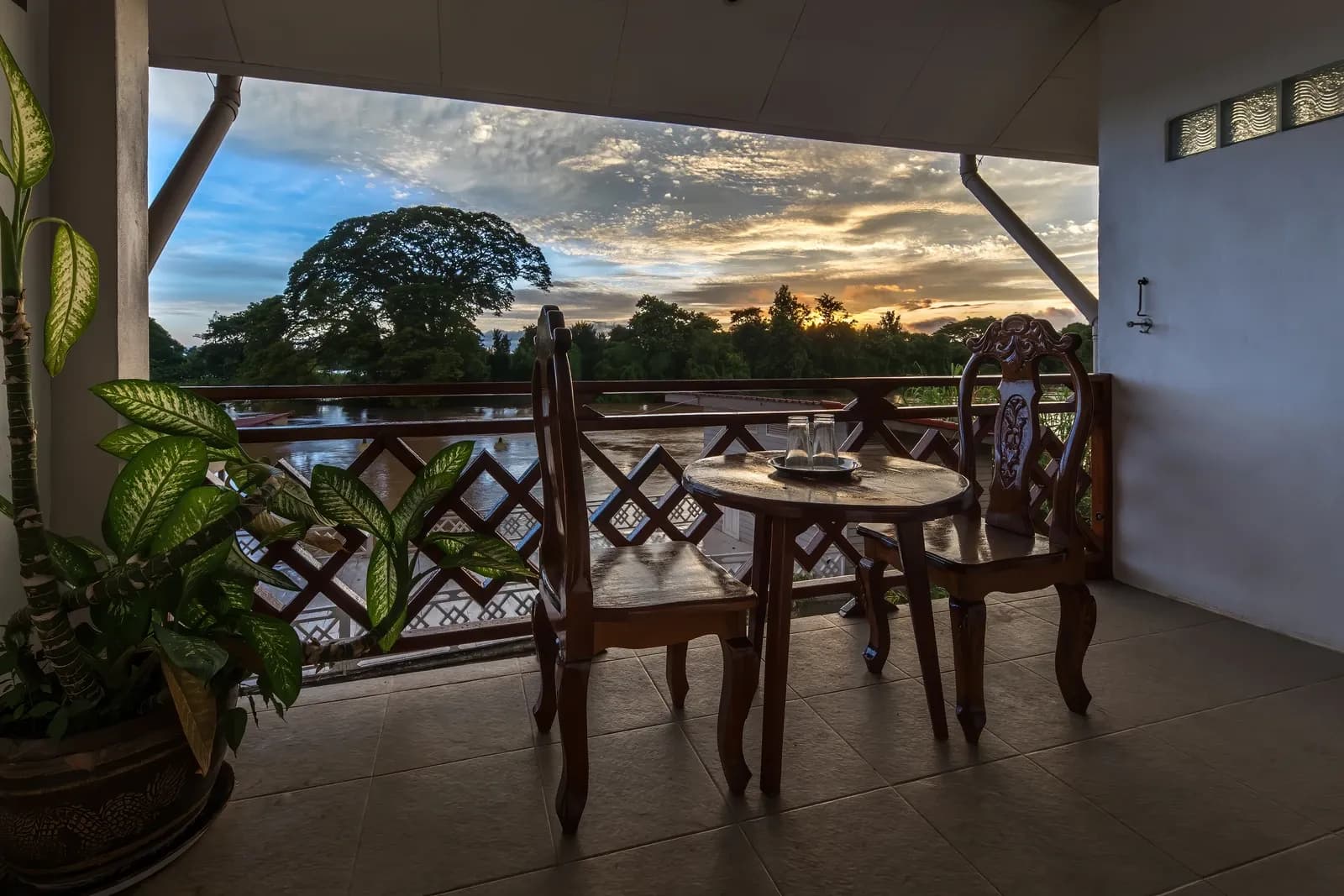
An outdoor area may be bright in one photograph and shaded at the time you expect to use it. Note the direction of the opening where reliable information is available and observe nearby buildings, walls and trees. Record the date and time of a visit. A single observation does not describe every season, but it gives you a clearer starting point than an undated promotional image.
Privacy is equally dependent on context. Consider which neighbouring windows overlook the space and what is visible from it. A high wall can create seclusion while limiting outlook or light; an open view can also expose the seating area. Neither is universally better. Describe the trade-off against your own intended use, and do not infer a permanent view from a photograph when future changes are unknown.
Separate condition from appearance
Inspect the visible surface, railing, doorway and drainage route from a safe position. Record stains, standing water, damaged finishes or areas you could not see. Do not test a railing or load a surface to decide whether it is structurally sound. Water management, waterproofing, load capacity and safety details need qualified assessment when they matter to the decision. A recently painted surface can look good without establishing the condition beneath it.
Ask what routine care is expected and who is responsible for it. A courtyard may involve planting and cleaning; a terrace may need attention to drains and finishes. The exact responsibilities depend on the property's documents and arrangements, which require local review. Keep maintenance questions in the property record rather than assuming that the pleasant part of outdoor use has no accompanying obligations.
Check the limits of an improvement idea
It can be tempting to imagine glazing a balcony, adding a shade structure or changing the surface. Treat each as a proposal, not as part of the home you are buying. Technical feasibility, permissions, building rules and costs need to be established through the appropriate current sources and advisers. An illustration or neighbour's example cannot confirm that the same work is allowed or suitable for this unit.
Compare the property as it stands with the property you hope to create. If your main reason for choosing it depends on a future alteration, make that dependency explicit. Ask what evidence would resolve it and when that evidence can be obtained. This is especially important when the outdoor space is a decisive part of your shortlist rather than a pleasant extra.
Keep a consistent comparison record
For each home, record the outdoor type, exact unit, access route, approximate usable shape, photographs and their dates, observed light and privacy, visible condition, document questions and the intended use it could support. A simple comparison can mark each item as observed, explained by someone else or awaiting confirmation. This avoids turning unknowns into hidden assumptions when two options are discussed later.
Read What Makes an Apartment Layout Easy to Live In alongside this guide, then use the Investment Handbook to plan a viewing. The Syria property search helps you identify individual homes to investigate. For general context on the distinction between a buyer's observation and a professional condition assessment, see RICS Home Surveys. That guidance is not presented as Syrian law or proof of any particular property's condition.
Continue your research
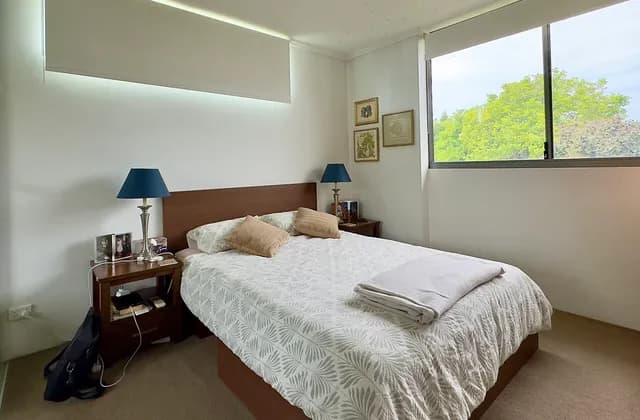
Comparing Window Privacy During a Property Viewing
Compare window privacy during a property viewing by checking room positions, curtains, blinds, daytime and evening conditions, and what the sale includes.
Read more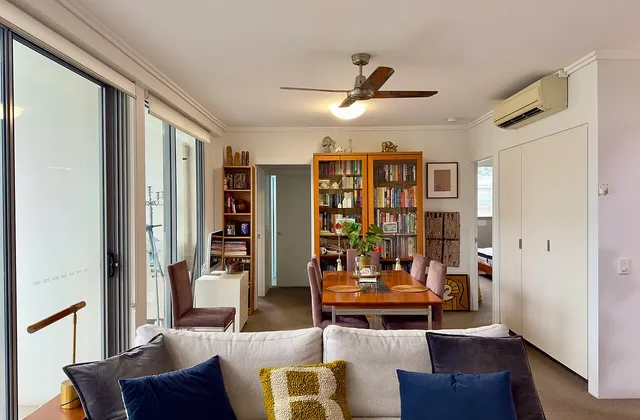
Comparing Dining Space During a Property Viewing
Compare dining space during a property viewing by checking occupied chairs, doors, storage and serving routes for everyday meals and occasional guests.
Read moreSources & review
Last reviewed:
PUT YOUR RESEARCH TO WORK
Start with a place.
Explore Syria’s cities and narrow your property search.