Blog
Ventilation and Damp: What to Record During a Viewing
Record damp and ventilation observations during a Syrian property viewing without guessing a cause, and identify when independent assessment is needed.
In this article
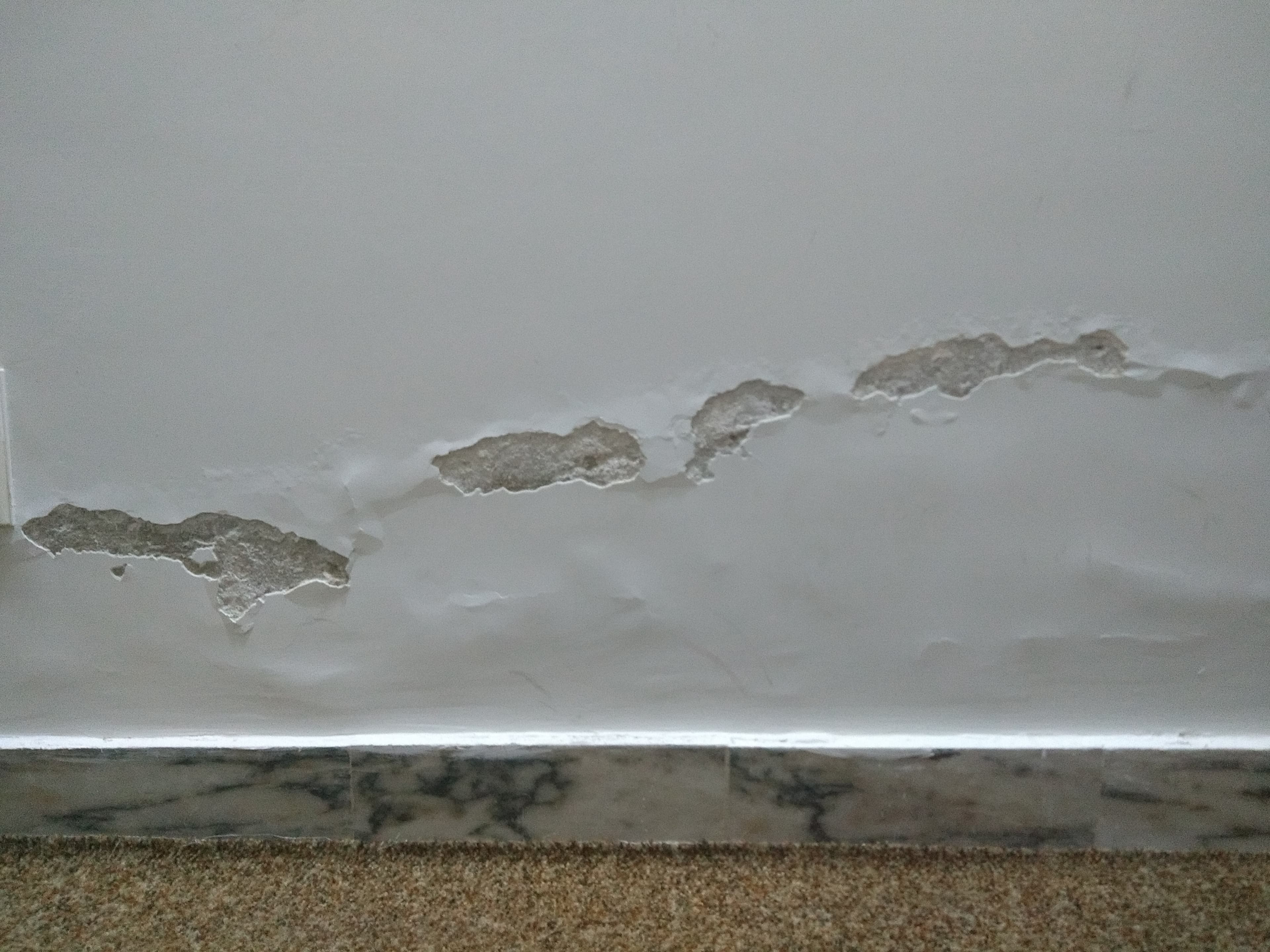

A musty smell near a cupboard, a stain below a window or condensation on glass may change how you view a home. None of those observations, by itself, tells you the source of moisture or the repair required. During a property viewing in Syria, your role is to record what is present, where and when, and to identify the question for an appropriate professional. This article is a field guide for that record, not a method for diagnosing a building or assessing anyone's health.
The World Health Organization's guidelines on dampness and mould review evidence linking persistent indoor dampness and microbial growth with health concerns. That makes an unexplained moisture problem worth taking seriously. It does not mean that a buyer can identify the cause from a photograph, or that every discoloured surface has the same significance. Keep the observation and the interpretation separate.
Begin with a room-by-room route
Walk through each room in a consistent order, including kitchens, bathrooms, bedrooms and spaces next to external walls where access is permitted. Note whether windows, vents or fans are present and whether anything blocks them. Record what you can actually see or operate without taking equipment apart. A closed window at a viewing does not prove it cannot open, and an installed fan does not prove it works effectively.
Use a simple note format: room, exact location, visible feature, date, weather if known and questions. “Dark mark at the lower corner of the north bedroom wall” is more useful than “rising damp.” The second phrase suggests a diagnosis that your observation may not support. If a room is inaccessible, write that down rather than assuming its condition matches the rest of the apartment.
Photograph context before detail
Take a wider photograph that shows where a mark sits in the room, then a closer image that shows its appearance. Keep both with the same property reference and date. A close-up alone can exaggerate or hide the scale and may make it difficult for a later adviser to understand the position relative to a window, roof or plumbing route.
If the seller supplies earlier images, ask when they were taken and what work happened between them and your visit. Keep the originals separate from your own photographs. Do not edit a mark out of a record or present a supplied image as your personal observation. The sequence can help a professional ask better questions, but it still does not prove that a reported repair addressed the source.
Ask about history without accepting a diagnosis
Useful questions include when the issue first appeared, whether it changes after rain or water use, whether a pipe or roof was repaired and whether a written assessment exists. Record who gave each answer. A statement that a wall was “just condensation” or that a stain is “old” may be sincere, but it remains a statement until supported by appropriate evidence.
The RICS consumer guide on damp and mould describes different moisture pathways and warns against assuming a cause before investigating it. Its professional context is UK-based and does not establish a Syrian inspection standard. The transferable lesson is to ask for evidence about the source before choosing a treatment for the visible symptom.


Observe ventilation as a system
A window, vent or extractor is one part of how a space handles moisture. Note where each opening leads and whether it can be used in the way the household expects. A bathroom with a fan shown in a photograph may still need a check of its operation and maintenance. A kitchen that opens into another room may have a different pattern of air movement from a kitchen with an external opening.
Avoid performing a makeshift performance test that claims more than it can show. You can note whether a fan switched on during the viewing, but that does not establish adequate airflow or compliance with any technical requirement. If ventilation is important to the decision, ask a qualified person to assess the actual system and identify its limits. Do not assume that opening a window is a complete remedy for an unresolved building defect.
Consider surrounding and shared elements
The source of a mark may not be within the room where you see it. A roof, balcony, external wall, shared pipe or adjacent space may be relevant. Note what you can see from safe, permitted areas and what remains inaccessible. Ask who is responsible for a shared element and what records exist, but leave rights and responsibilities to a review of the property documents by an appropriate local professional.
Do not move fixed panels, climb onto an unsafe surface or disturb a suspected mould patch to satisfy a viewing checklist. A buyer can document an issue without trying to investigate hidden construction personally. The question is whether enough is known to proceed, pause for assessment or set the property aside.
Give each concern a next action
Sort your notes into three groups: observed with no immediate concern, needs a written explanation or document, and needs independent professional assessment. If an adviser later identifies a cause, keep that report with the dated viewing record. Ask the adviser to explain the evidence, the limits of the inspection and the proposed next step rather than accepting an unexplained treatment label.
Where work is proposed, keep the diagnosis separate from the contractor's price. A quote to repaint or apply a product may address appearance without resolving the source. Cosmetic Renovation or Major Repair explains how to separate those decisions. The viewing checklist helps organise the wider visit, and the Investment Handbook keeps an unresolved condition issue visible in the purchase decision.
A careful viewing record does not make you a surveyor. It makes it harder for a significant question to disappear beneath a reassuring photograph or an alarming guess. When moisture or ventilation could affect health, comfort or repair costs, seek a timely assessment suited to the specific building and people involved.
Continue your research

Checking Garden Watering Arrangements Before Buying a Home
Check garden watering before buying a home: identify water points, system coverage, controls, manual tasks, absence arrangements and equipment included.
Read more
A Seasonal Home Maintenance Checklist
Build a property-specific seasonal home maintenance checklist for Syria with safe observations, dated records, assigned actions and professional follow-up.
Read moreSources & review
Last reviewed:
PUT YOUR RESEARCH TO WORK
Start with a place.
Explore Syria’s cities and narrow your property search.