Blog
How to Organise a Remote Property Viewing
Organise a remote property viewing with a clear camera route, consent, dated observations and specific follow-up questions for independent review.
In this article
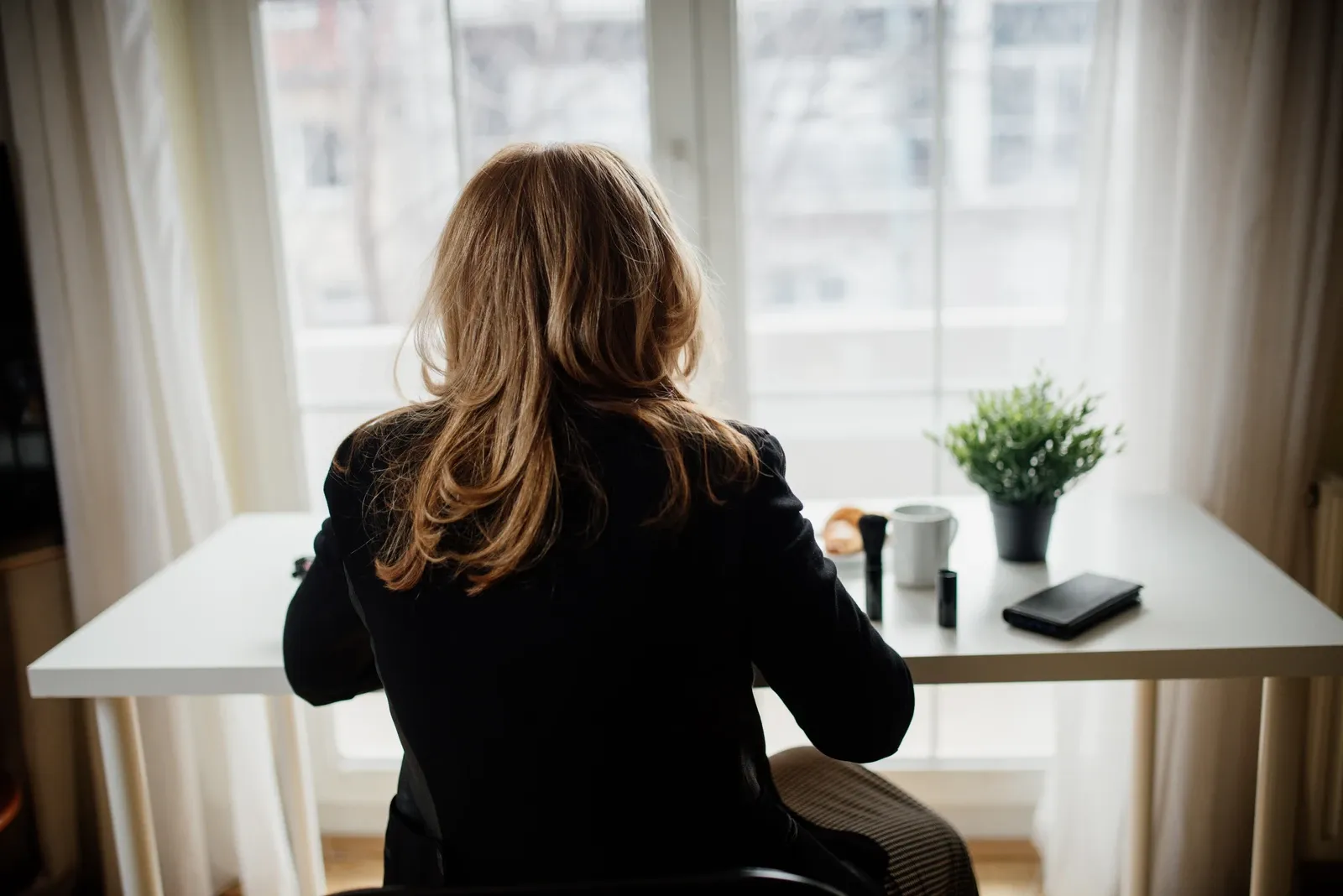

A remote viewing works best when everyone knows what the call is supposed to answer. Otherwise it is easy to spend the appointment watching attractive rooms while leaving basic questions about the entrance, layout or exact property unresolved. Before arranging the call, choose a few questions that would change your shortlist and give the person showing the home a clear route.
Treat the call as an opportunity to gather observations. It does not verify ownership, replace a qualified building assessment or establish that you can complete a purchase. Its useful outcome may be a better shortlist, a request for further evidence or a decision to stop considering the home.
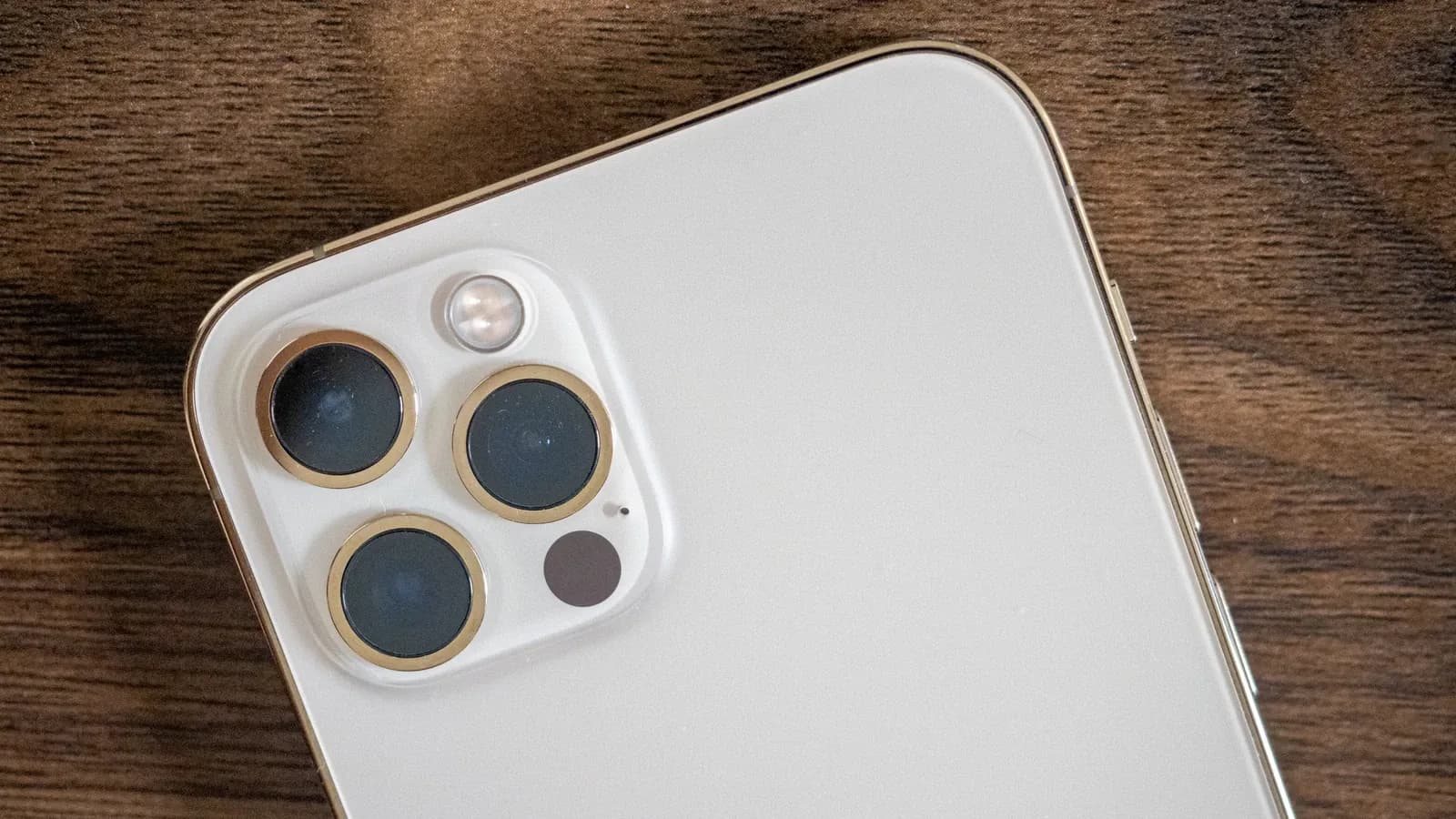
The desk and smartphone-camera photographs are illustrative. Their locations are not verified as Syrian, and they do not show a viewing, a client or equipment we supply.
Confirm the home and the people involved
Start with a written property reference, the address description available to you and the person arranging access. Ask how the unit shown in the call relates to the advertisement, photographs and floor plan you already have. If several similar units appear in a development or building, identify the relevant one before discussing its rooms.
Record who will hold the camera, who can answer questions and who is joining from your side. Avoid assuming that the person physically present is the owner or has authority to negotiate. Any claim about ownership or permission to act requires separate independent review.
Agree a time and include the time zone in the invitation. Ask whether access to the rooms and shared areas you want to see can be arranged safely and with permission. A remote appointment should never depend on somebody taking risks, entering an unsafe area or disturbing occupants without consent.
Give the camera a route with a purpose
Ask for an orientation at the normal entrance, followed by a continuous walk through the home where practical. That helps you relate individual rooms to one another. Keep your floor plan or rough room list open and mark anything you cannot confidently place.
Choose the areas that matter to your household brief. For someone concerned about access, the entrance and route to the unit may be more useful than another close-up of decorative finishes. For a household comparing storage, seeing the position and size of cupboards may answer a more important question than an uninterrupted sweep of the living room.
Use the handbook on reading an apartment floor plan to prepare room and circulation questions. A plan and camera view can support one another, but discrepancies should remain open until appropriately checked. Neither should be stretched to fit the other because you like the property.
Agree how the session will be recorded
Ask everyone involved before recording the call or taking screenshots, and clarify how any files may be used or shared. Keep occupants' personal belongings, identifying documents and private conversations outside the material you circulate. When something sensitive appears, pause rather than assuming it belongs in your search folder.
If recording is not agreed, take written notes and ask for permitted follow-up photographs of specific features. A useful record does not require a recording of every moment. It needs a date, a property reference, clear observations and a list of unanswered questions.
Save the original file when one is provided, alongside any shortened version you make for your own comparison. Label edited extracts as extracts. Cutting away the walk between rooms can remove the very context that helps you understand their relationship.
.jpg)
Prepare for a poor connection
Test your audio and arrange a backup way to communicate before the appointment. If the picture freezes, ask the person to stop describing new rooms until you can see and hear again. Write down where the interruption happened so the area can be revisited in the session or covered by a separate permitted image.
Do not treat a missing view as a satisfactory answer. You may need a later call, a clearer image or an independent local assessment, depending on the question. For an important feature, record the gap explicitly instead of filling it with the appearance of a neighbouring room.
If another family member is joining, decide who will lead the questions. A short shared agenda makes it easier for everyone to hear the answer and reduces the chance that a crucial point disappears under several simultaneous requests.
Separate what you see from what you are told
Write notes in two parts. One part records the observation: a door is shown opening, a stain is visible or a room was not entered. The other records the explanation offered, with the speaker's name or role and the date.
A visible mark does not establish its cause. A light switching on does not prove the service's normal availability. A camera movement cannot establish a legally recognised boundary or the safety of an electrical system. Use precise descriptions and direct technical or legal questions to appropriately qualified independent professionals.
The handbook on water and electricity questions provides a useful way to organise follow-up. Ask for relevant evidence rather than trying to have the camera operator perform potentially unsafe tests.
Finish with a decision about the next enquiry
At the end of the call, repeat the unanswered questions and agree what information may be provided next. Give each request a purpose: a missing view to complete the layout record, a written clarification of what is included or a question for independent review. Avoid an open-ended request for “more information” that nobody can act on.
Update the shortlist while the observations are fresh. A home may remain worth researching, may need a pause until an important point is resolved or may no longer suit your brief. The guide to building a property shortlist helps make that decision consistent across several appointments.
Remote research does not establish that travelling is appropriate. On review on 2 October 2026, UK travel advice for Syria advised against all travel. Consult the current official advice relevant to your nationality and circumstances; a property appointment is not evidence of safe travel. Continue with remote enquiries or postpone when needed.
The strongest result of a remote viewing is a clearer record of what you know and what you still need to establish. That record helps you spend the next enquiry on a real uncertainty rather than repeating the same attractive tour.
Continue your research

Protecting Privacy When Preparing Property Photographs
Prepare property photographs with fewer personal details: review rooms, reflections, file information, approved recipients and published image versions.
Read more
Questions to Resolve Before Travelling for a Property Viewing
Resolve property identity, independent review and current travel questions before considering a Syria viewing trip, with remote enquiries as an alternative.
Read moreSources & review
Last reviewed:
PUT YOUR RESEARCH TO WORK
Start with a place.
Explore Syria’s cities and narrow your property search.