About Syria
Researching Neighbourhoods in Aleppo Before Choosing a Home
Research Aleppo neighbourhoods from the exact address outward, using dated evidence and independent building checks instead of district reputations or archive images.
In this article
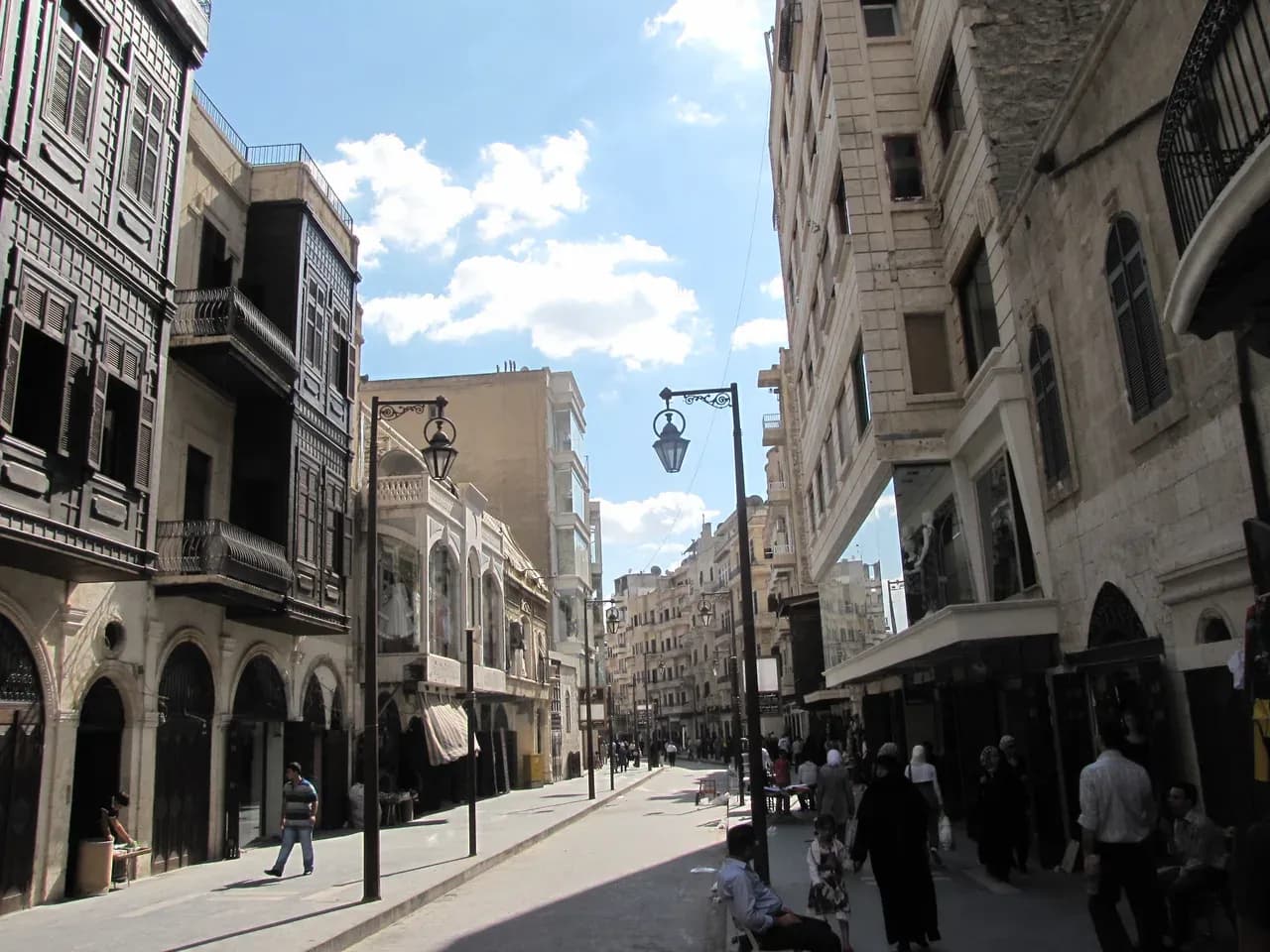

A neighbourhood name can help you begin a search in Aleppo, but it cannot tell you what a particular home will be like to live in. Two apartments advertised under the same district may have different entrances, street access, building histories and service arrangements. Begin with the address, then work outward: the immediate block, the routes you would use, and the places that matter in an ordinary week. Keep the date of every photograph and answer you collect. This makes a shortlist more useful than a ranking of supposedly “best” neighbourhoods.
Start with a pin, not a reputation
Ask for the building's exact location before drawing conclusions from a district label. Save the pin, street name in Arabic, entrance photograph and a landmark that someone local could recognise. If a listing uses an English transliteration, record the Arabic spelling too; one place name can appear in several forms online. Check that the pin and photographs refer to the same entrance. A broad neighbourhood polygon on a map is no substitute for an address you can verify.
The first practical question is how you would reach that door. Trace the route you would actually take to work, family, school or a regular appointment. Then ask a local contact to describe the last stretch: Is the entrance on a main road, a side street or a passage? Is there a lift, and does it serve this floor? Where would you carry shopping or luggage? These are questions for the specific building. A map may help you plan a conversation, but it cannot confirm how the route or building functions today.
Look at the block in daylight and, if possible, at a second time when you expect to use it. Photographs should carry a capture date, not just a date on which they were forwarded to you. Ask for a wide view of the street and a close view of the entrance, rather than a collection of attractive interior shots. If you are comparing homes remotely, request a continuous walk through the property, but do not treat a recording as an inspection.
Read older neighbourhood research with its date attached
UN-Habitat's Aleppo City Profile is a useful example of why neighbourhood-scale information matters. Published in 2014, it looked at the city through housing, infrastructure, movement and markets together. Its mapped findings describe conditions during that period. They are not a present-day scorecard for any district, and it would be misleading to attach one of its historic classifications to an apartment offered now.
Use that profile as a guide to the kind of evidence to seek. It shows that the condition of a building, the availability of services and the ability to move around a city can differ. For a current decision, ask for current evidence at the exact address: recent dated photographs, an in-person observation where feasible, and answers from people who know the building. If those accounts conflict, keep the discrepancy in your notes and investigate it. Do not average them into a reassuring generalisation about the neighbourhood.
UN-Habitat's later area-based work in Aleppo and Homs also illustrates why an entire city cannot be described by one recovery story. It identifies selected neighbourhoods for community-led work. A project description tells you the scope of that project; it does not certify a separate home, guarantee completed works near it, or establish a market price.

Compare the life around each address
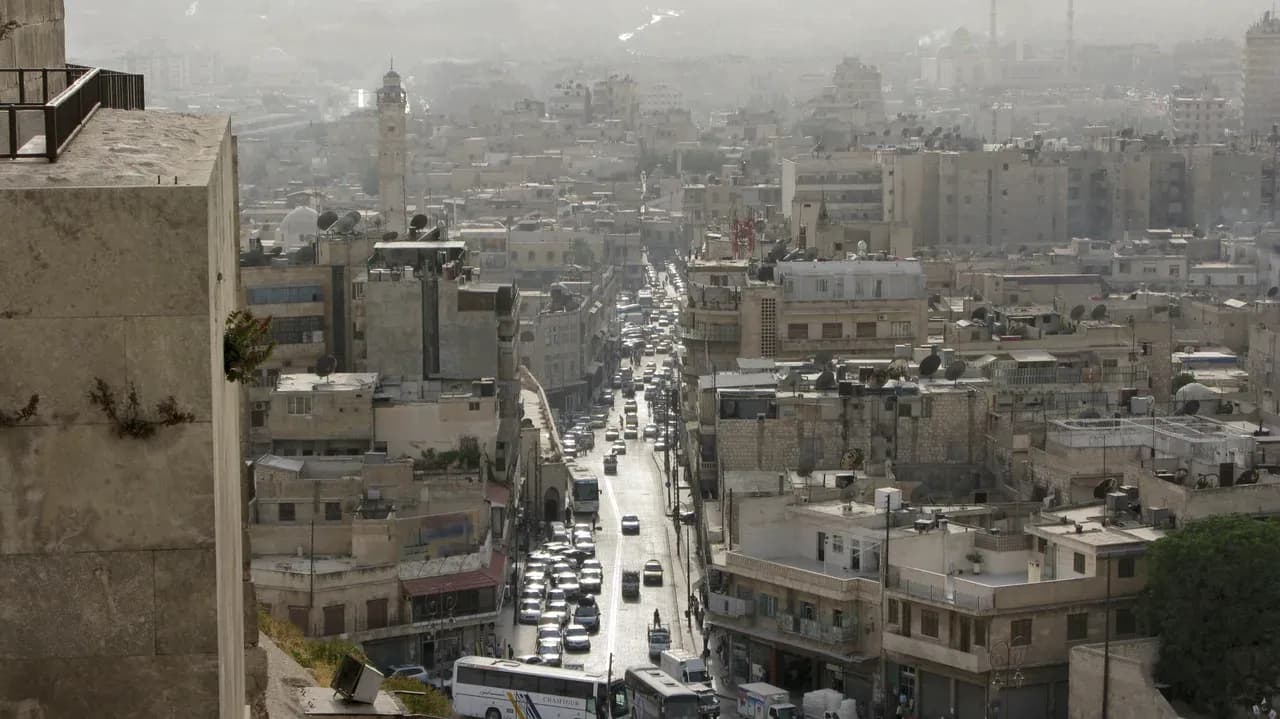
Build a comparison around your routine rather than somebody else's list of prestigious districts. If you need to travel daily, record the route, mode of travel and uncertainty in the journey. If a nearby clinic, school or shop is essential, verify the exact place and whether it currently serves your need. A map marker may be outdated. A photo can be old. A neighbour's answer may describe a different part of the same district. Write down what each source actually confirms.
Take care with claims about water, electricity or internet. Ask who supplies each service to the building, what equipment belongs to the building or apartment, how costs are shared, and what the current occupants have experienced. Request dated evidence where possible. This is more useful than a statement that a whole neighbourhood has “good utilities.” The answer can vary between adjacent buildings and can change over time. For a purchase, have an independent professional examine the building systems and any related documents before treating an advertised feature as usable.
Street character matters too, but describe what you saw rather than assigning a permanent label. Record traffic, noise, shade, stairs, pavement condition and the ease of reaching the entrance on your particular visit. Ask whether any commercial use in or near the building affects your daily routine. A quiet morning photograph cannot establish evening conditions. If you cannot make a second visit, note that gap explicitly instead of pretending a single viewing answers it.
Treat the Old City as a specific research question
Aleppo's historic centre calls for additional precision. The UNESCO World Heritage record describes the Ancient City and its cultural significance; its map page identifies the inscribed area. The designation gives context for the urban fabric. It does not verify the structural condition, ownership, permitted work or accessibility of a home offered within or near the area.
If a listing uses “Old City,” “near the Citadel,” or another heritage phrase, request the exact entrance and parcel reference. Compare it with the official heritage map as a starting point, then ask a qualified local adviser to check the current records and requirements that apply to the proposed building and any alteration you have in mind. Do not assume that a property has special permissions or a premium because it is close to a landmark. Our Citadel setting guide explains what the monument's archival record can and cannot tell a home researcher.
Historic photographs can help you identify a street or building style, but they must remain dated illustrations. A photograph of Jdeydeh from before the conflict shows that place at the time it was taken; it is not proof of today's street condition, neighbouring uses or available homes. Pair any archive image with a current, verified address-specific view before drawing a practical conclusion.
Make a shortlist that exposes uncertainty
For each candidate, keep one page with the exact address, the date and source of each image, two routes you would use, the services you have verified, and the unanswered questions. Separate three columns: observed, reported by someone else, and still to check. That small distinction prevents a seller's description, an old map and your own visit from blending into one unsupported story. The property shortlist guide offers a way to compare those address-level notes without letting a neighbourhood label decide for you.
Once two or three addresses survive this screen, compare them at building level. Ask for floor plans and room dimensions, inspect the common areas, and commission appropriate independent checks of condition and documents. The property viewing checklist helps turn impressions into a record of what was actually seen. A neighbourhood is the setting for a home; the final decision still rests on the particular property, its evidence and the life you intend to live there.
Continue your research
Northern Syria Ancient Villages: Understanding the UNESCO Site
Understand the eight-part UNESCO Ancient Villages site, conservation status and archive imagery while separating heritage context from a specific property decision.
Read more
Idlib Governorate: Historic Places and Location Research
Research an Idlib Governorate address with accurate historic context, clearly dated archive photographs, and a separate record of current property evidence.
Read moreSources & review
Last reviewed:
PUT YOUR RESEARCH TO WORK
Start with a place.
Explore Syria’s cities and narrow your property search.