About Syria
Cities and Governorates
Explore Syria through its cities, their surroundings and the places that give each destination its identity. This collection begins with Damascus and Aleppo, bringing together illustrated city guides and a practical way to organise the location questions behind a property…
Read more
search.
A city name is a starting point. It does not tell you which street a home occupies, how its building is arranged or whether its immediate surroundings suit your plans. Our city guides therefore separate the wider setting from the specific property. You can enjoy learning about a place while keeping your eventual purchase decisions tied to an identified address and current evidence. That distinction is especially useful when researching from abroad, where attractive photographs can otherwise become a substitute for understanding the location.
The first collection, Damascus and the South, introduces the capital through its historic centre. Its Damascus article looks at the relationship between landmarks, streets and smaller spaces, using named archive photographs rather than generic images. The second collection, Aleppo and the North, begins with Aleppo and considers its historic fabric through the citadel, market environment and neighbourhood context. These are two different reading routes. Choose the place you are researching from the navigation on the left, then open the individual city article for its photographs, references and location questions.
The group names are editorial navigation labels, not administrative boundary definitions. A city and a governorate are different geographical scales, and a broad regional phrase can cover a larger reading area again. When a listing refers to a governorate, ask which settlement and neighbourhood it means. When it uses a familiar city name for a surrounding location, record the exact address separately. Keeping those names distinct makes your shortlist more useful and helps prevent comparisons between properties that are much farther apart than their descriptions suggest.
Start a city research folder with four entries: the place name as supplied, its alternative spelling if one is used, a map reference and the reason you are considering it. Your reason might be proximity to family, a particular workplace, an existing business connection or a preferred style of home. None of these requires deciding that one city is universally better than another. The aim is to understand why a location matters to you, then test whether an individual property actually serves that purpose. Keep the original spelling alongside any English version so documents and enquiries remain easy to match.
Read heritage information for what it explains. A historical account may help you understand a street pattern, an architectural feature or the role of a landmark. It does not establish the condition of a nearby building today. The UNESCO records linked from our first city guides provide a primary reference for the recognised historic centres of Damascus and Aleppo. For a property enquiry, use a separate file containing dated photographs, the precise building identity and questions for appropriately qualified local professionals. Avoid turning a cultural designation into an assumption about ownership rights or permitted alterations.
Photographs should also answer a specific question. A wide view can show the relationship between a landmark and an open space; a street photograph can show the scale of buildings and the way their entrances meet the pavement. Neither proves that a particular route is currently accessible. Each archive photograph in this collection names its place, credits its creator and identifies its year. Use those images as visual context. Request recent, property-specific photographs for decisions about an entrance, a room, a shared stair or a building's present condition, and retain the date and source of every set.
Once a city is on your shortlist, narrow the search in stages. First identify the neighbourhood, then the street, then the building and unit. At each stage, note what you know and what remains a question. For example, knowing that a home is in the same city as relatives does not tell you the time required to reach them. A map may suggest a route, but an actual journey needs current local verification. Record the circumstances of any observation instead of treating one person's experience as a permanent fact about an entire district.
Keep your property comparison consistent across locations. Compare the same intended use, a similar range of accommodation and the same definition of area. An apartment described by gross building area cannot be compared directly with another described by internal usable space without understanding the difference. Likewise, a asking-price figure should retain its original currency, date and source. You can use the Blog's market-research collection to organise this evidence, while the Investment Handbook provides the separate purchase-planning framework. City articles supply context; those other sections help you organise the next steps.
Give daily routines their own place in your notes. Think about carrying shopping, meeting visitors, reaching a vehicle, accommodating family members and managing a home while you are away. Ask what can be checked during a viewing and what requires additional evidence. A photograph of a handsome facade cannot answer questions about internal circulation or shared responsibilities. Writing down the routines before you inspect a property also prevents a memorable landmark or an attractive outlook from outweighing practical requirements that matter every day.
Finish each research session with a short action list rather than a city ranking. One location may need a better address, another a current set of building photographs and a third an explanation of the surrounding streets. Assign each question to someone who can answer it and record when the answer arrives. This keeps your research moving without filling gaps with assumptions. Open a city guide below, follow its references, and return to the relevant subcategory whenever you want to compare another place within the same reading route.
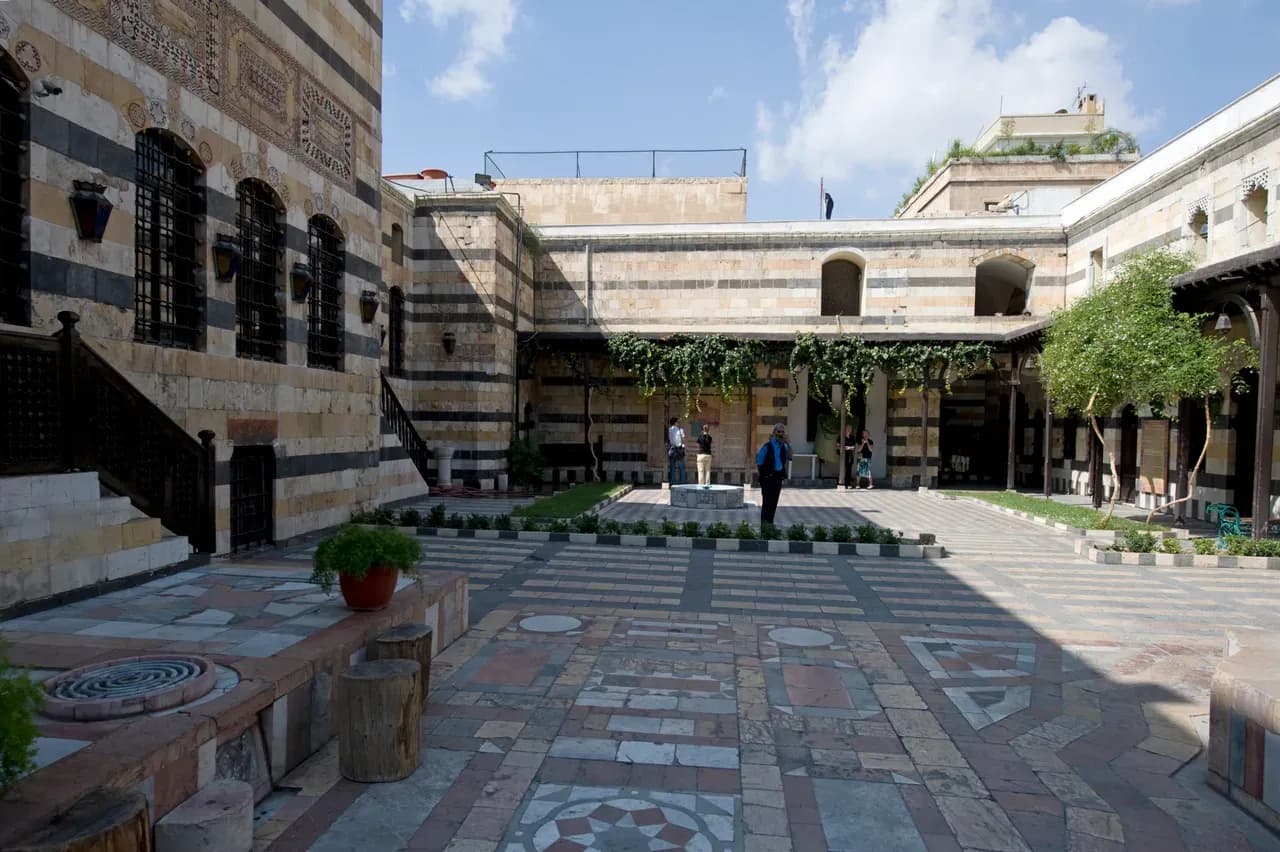

Aleppo and the North
Explore Aleppo through its historic city, recognisable landmarks and the smaller details that shape an understanding of place. This collection starts with an…
Explore this topic ↗Damascus and the South
Begin your research into Damascus with an illustrated introduction to its historic centre, then work outwards towards the locations that matter to your…
Explore this topic ↗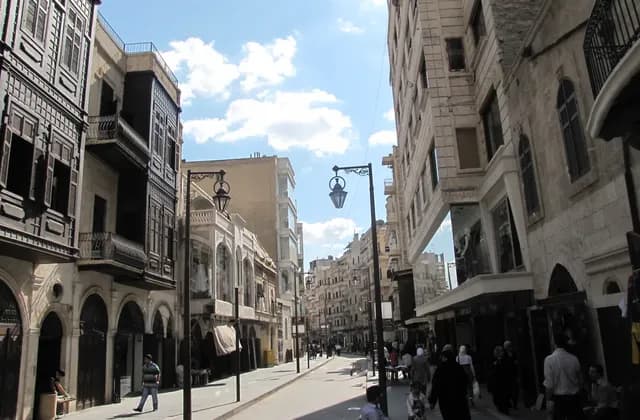
Researching Neighbourhoods in Aleppo Before Choosing a Home
Research Aleppo neighbourhoods from the exact address outward, using dated evidence and independent building checks instead of district reputations or archive images.
Read more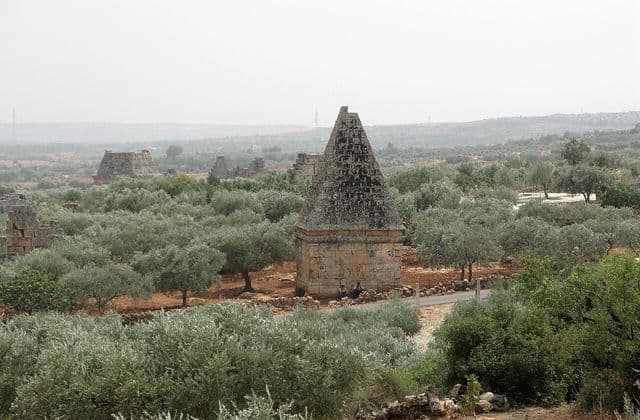
Northern Syria Ancient Villages: Understanding the UNESCO Site
Understand the eight-part UNESCO Ancient Villages site, conservation status and archive imagery while separating heritage context from a specific property decision.
Read more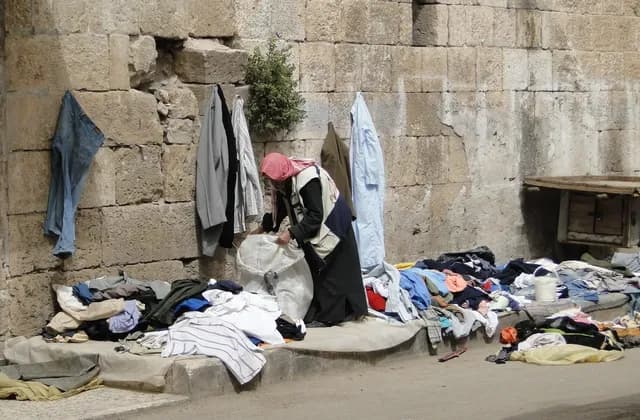
Idlib Governorate: Historic Places and Location Research
Research an Idlib Governorate address with accurate historic context, clearly dated archive photographs, and a separate record of current property evidence.
Read more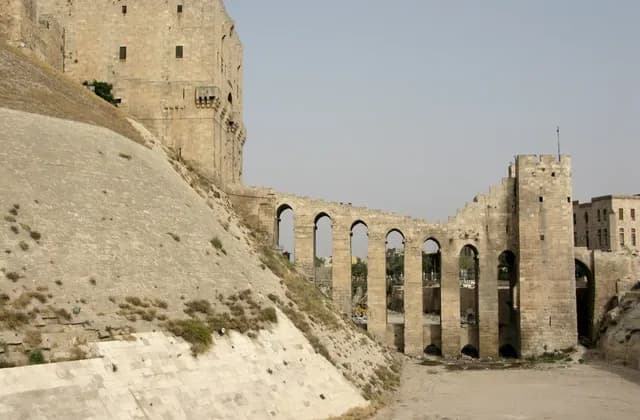
The Citadel of Aleppo: A Guide to Its Setting
Understand the Citadel of Aleppo in its historic urban setting, read dated views and UNESCO maps accurately, and separate landmark context from property evidence.
Read more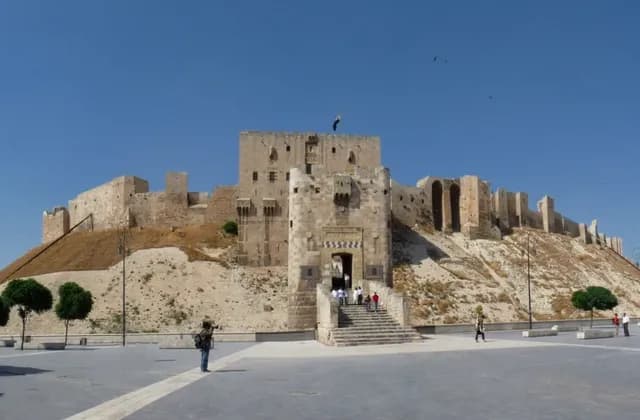
Aleppo: Understanding the Historic City and Its Landmarks
Explore the context of historic Aleppo and its landmarks, with practical ways to distinguish heritage information from current property and location evidence.
Read more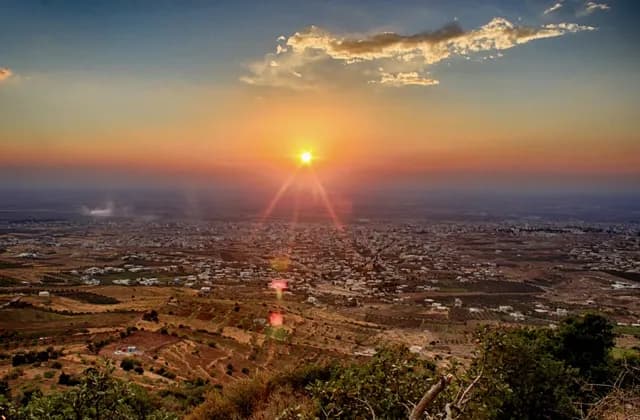
As-Suwayda Governorate: Towns, Landscapes and Local Research
Explore As-Suwayda Governorate by verifying the exact town and address, comparing dated images with present conditions, and checking each building and its records.
Read more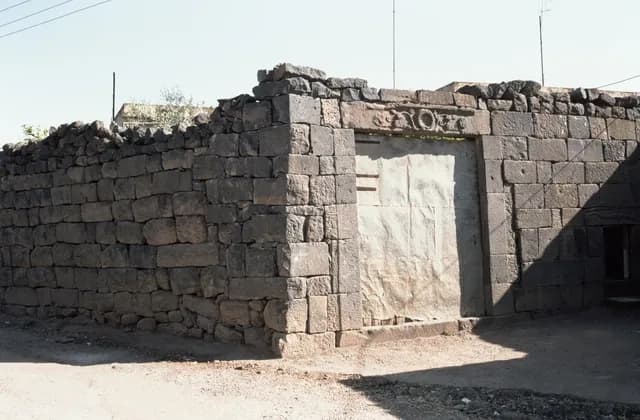
Daraa Governorate: Planning Your Location Research
Research a Daraa Governorate property by moving from regional labels to a verified address, dated local evidence and independent building and document checks.
Read more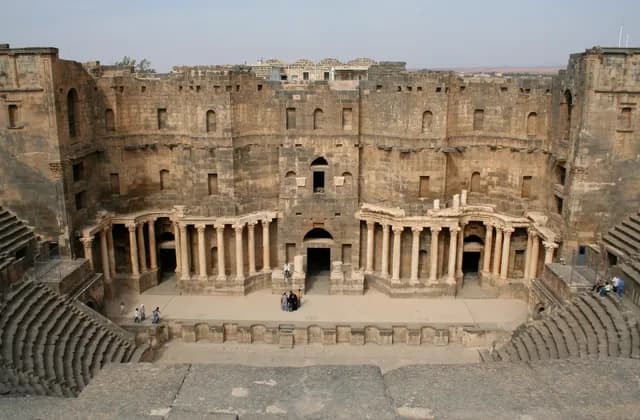
Bosra: A Guide to Its Historic Urban Landscape
Explore Bosra beyond its Roman theatre: understand its layered historic landscape, UNESCO status, archive photographs and property-specific research limits.
Read more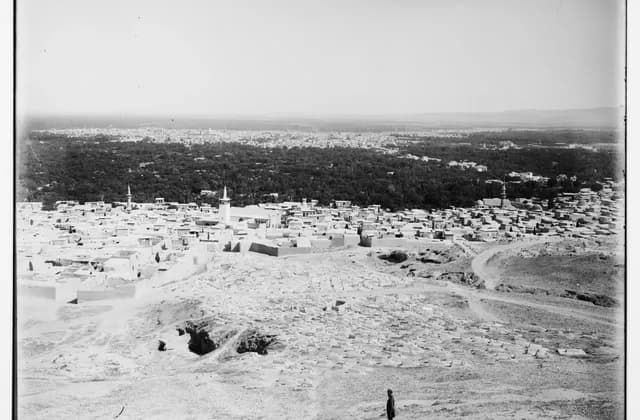
Damascus Governorate and Rural Damascus: Understanding the Difference
Distinguish Damascus Governorate from Rural Damascus when researching a property: verify its address, route, records and building-specific services.
Read more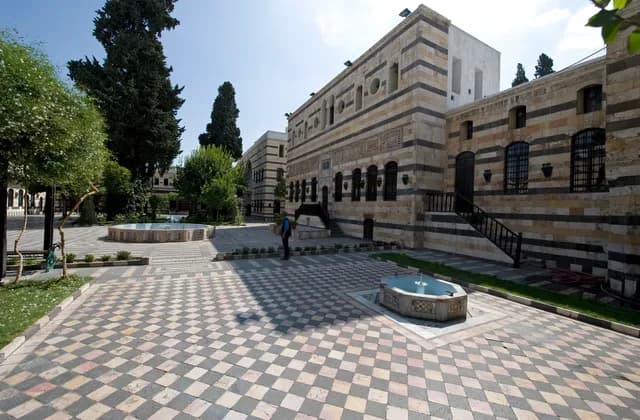
Damascus: Reading the City Through Its Historic Centre
Understand Damascus through its historic centre and learn how to separate cultural context, archive photographs and property-specific location research.
Read more