Blog
Choosing a Home with Household Mobility Needs in Mind
Compare homes in Syria through household mobility routines, room transitions, shared equipment and questions for a qualified person-specific assessment.
In this article
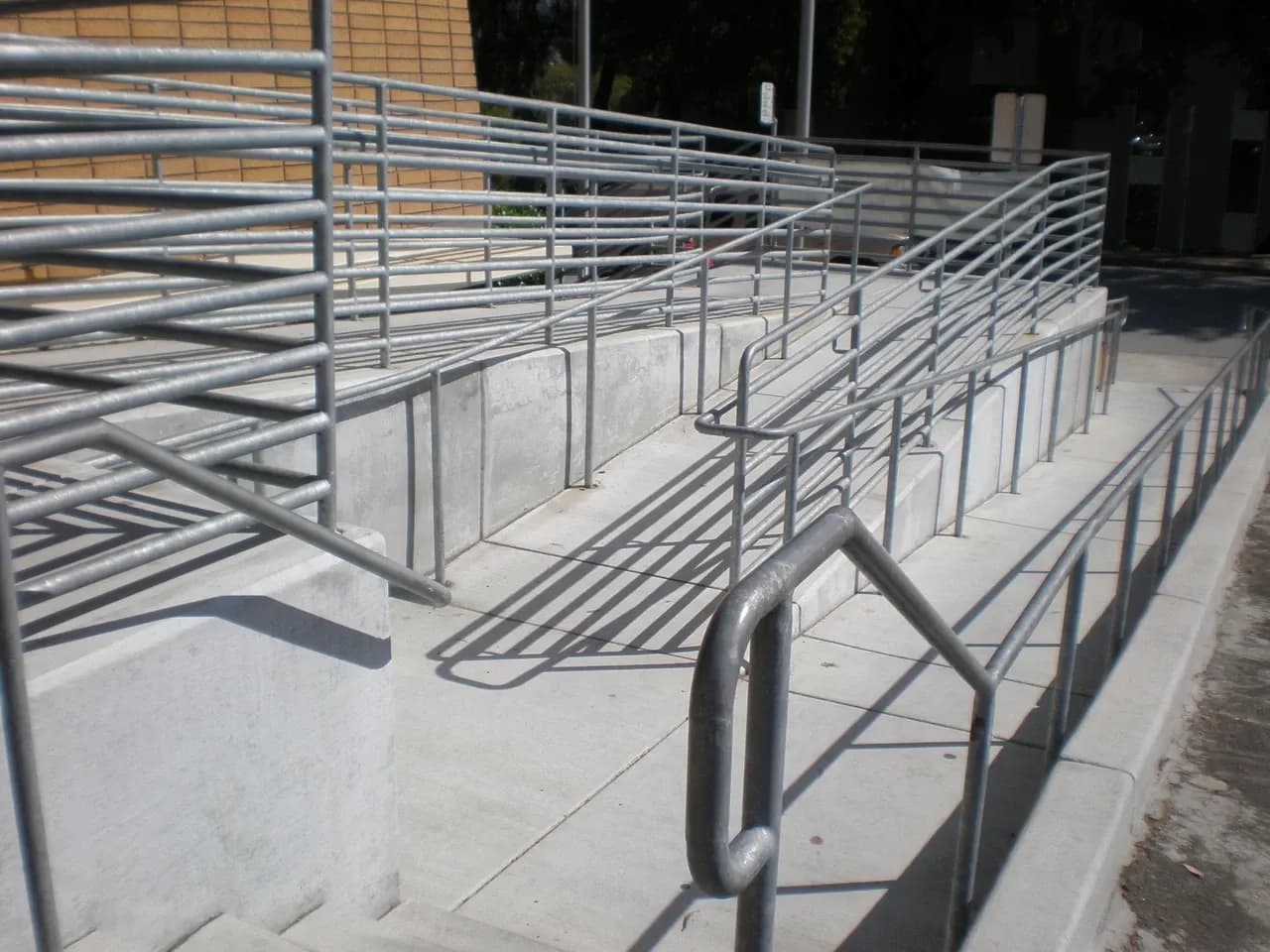

A home can have enough bedrooms and still make an essential daily task impractical for someone living there. When mobility needs are part of a Syrian home search, begin with the person and the routines they want to carry out. Then ask what evidence would show whether the particular home supports those routines. A label such as “easy access” cannot answer that question on its own.
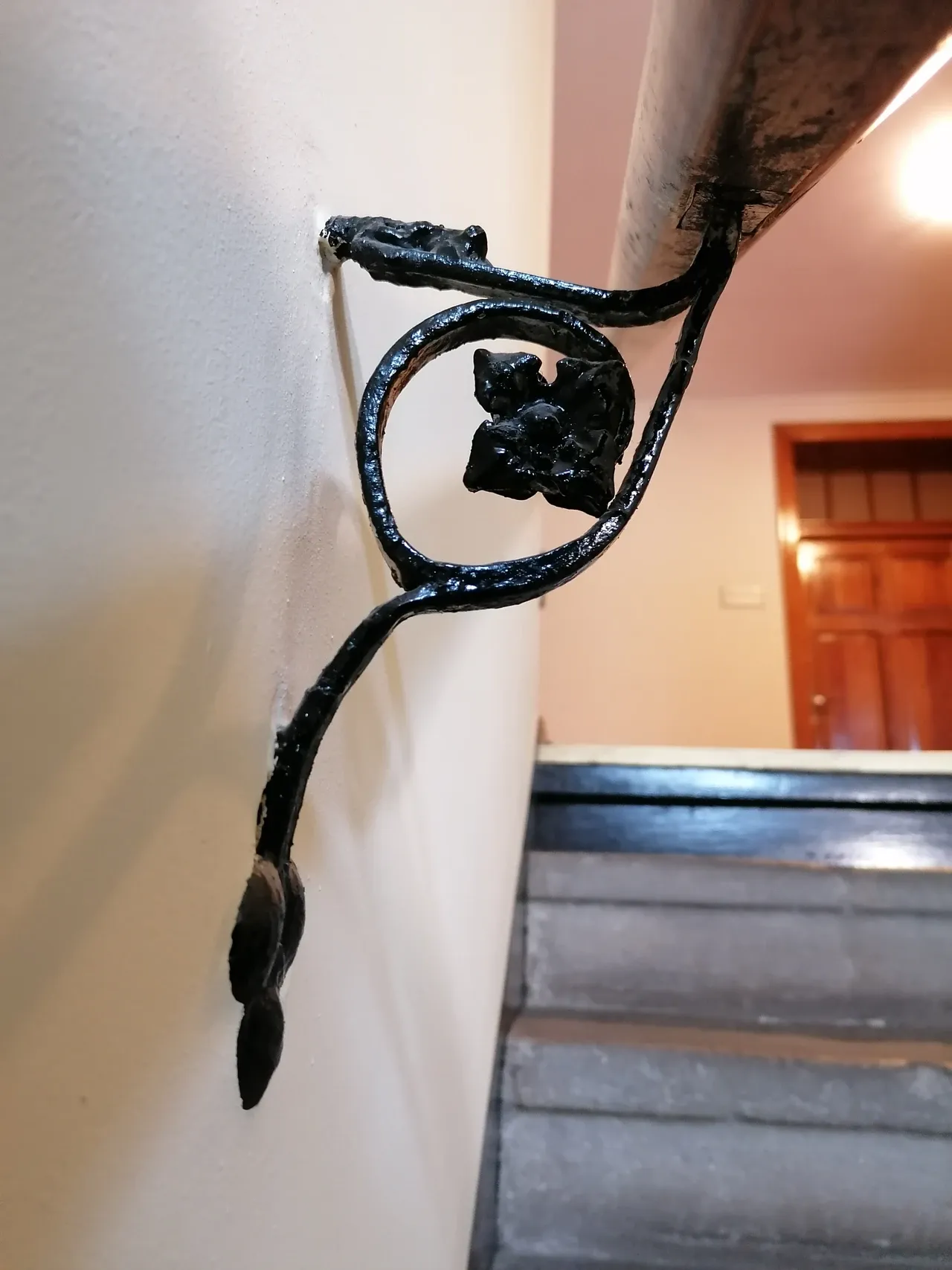
This guide helps a household prepare a property comparison and a brief for qualified assessment. It does not certify accessibility, prescribe equipment or establish Syrian design requirements. The photographs show a library entrance ramp in California and a handrail fixing in Poland. They illustrate features to describe, not approved solutions for your home or evidence of current Syrian conditions.
Let the person describe the task
Invite the household member to explain what matters to them, including which activities they want to do privately and independently. Someone may value reaching the bathroom without crossing a shared living space; another person may need somewhere to sit while preparing food. Do not replace their preferences with assumptions based on age, a diagnosis or the mobility aid they use.
Write a short account of an ordinary day: leaving the bedroom, washing, eating, receiving a visitor and going outside. Add tasks that happen less often, such as carrying luggage or hosting family overnight. If assistance is part of a routine, record what space the person providing it would need. Keep sensitive health information out of a listing enquiry unless it is necessary and the person has agreed to share it.
The Royal College of Occupational Therapists' housing overview explains how the home environment can support or obstruct activities and describes occupational therapy's role in identifying equipment, adaptations or more suitable housing. This is professional background, not a promise that a named service, funding scheme or adaptation is available in Syria.
Record transitions, not just room sizes
A broad hallway measurement may miss a tight turn between the entrance and a bedroom. Record the sequence of transitions that the person would use: an outer gate, a door, a threshold, a corner and the destination. Describe where a door swings and what occupies the space when furniture is in use. Keep a preliminary measurement labelled with its location and method; do not turn a casual tape reading into a compliance certificate.
Ask which dimensions and features a qualified adviser needs to assess for this particular person, their equipment and any assistance. There is no single doorway number in this article that makes every home suitable. A mobility aid's stated width also does not describe the whole movement involved in turning, approaching a handle or passing another person.
Our parking and building access article covers arrival and claimed parking arrangements. Here, extend that record into the household's actual destinations inside the home. Obtain permission before recording occupied rooms, and stop if an observation would require a risky manoeuvre or an unfamiliar equipment test.
Give private rooms their own review
Think beyond whether someone can cross the bedroom doorway. Where would they approach the bed, reach stored clothing and leave equipment when it is not being used? A staged room with little furniture may conceal the practical effect of adding the household's belongings. Mark proposed furniture on an appropriate plan before treating the layout as settled.
For a bathroom, describe the doorway, visible fixtures and the spaces around them without asking someone to demonstrate a difficult movement. A photograph of a rail cannot establish its fixing strength, placement or suitability. Questions about support, transfers, surfaces and proposed alterations belong with the relevant qualified adviser. Record what needs assessment rather than promising that a small accessory will resolve it.
If personal assistance is expected, ask how both people would use the room while preserving privacy. This may affect the preferred layout more than the total advertised floor area. The everyday apartment layout guide can help record furniture and room connections; the household-specific assessment still needs its own evidence.

Check everyday controls and equipment arrangements
Note the location of handles, switches, windows and commonly used storage. Ask the person which controls matter and what they would want assessed. Being able to enter a kitchen does not settle whether its ordinary tasks can be carried out comfortably, or whether a proposed change is appropriate. Keep observations separate from advice about reach, posture or equipment selection.
The WHO assistive technology overview describes assistive products together with their related systems and services, and recognises both temporary and longer-term needs. It supports including the person's existing arrangements in the housing conversation. It does not establish that a particular product fits the home, is locally available or should be purchased.
Where powered equipment is relevant, ask the household and its qualified adviser what information is needed about storage, charging or service support. Have any proposed electrical installation reviewed appropriately. Do not assume that a visible socket, seller's demonstration or general statement about neighbourhood electricity settles those questions.
Separate present suitability from proposed work
Use three headings in your notes: features observed now, changes proposed, and matters not yet assessed. “A ramp could be added” belongs in the second heading. It becomes useful evidence only when the particular proposal has been examined for design, property constraints, necessary permissions, responsibilities and a realistic implementation arrangement.
For shared entrances or lifts, identify who controls the equipment and what documentation can explain its operation and maintenance. Ask what the household would do if the usual route were unavailable. Do not invent a fallback that requires carrying someone, forcing a door or bypassing equipment. If no acceptable alternative has been established, keep that dependence visible in the decision.
Consider a fictional comparison. Home A has a larger living room but depends on a lift whose arrangements remain unconfirmed. Home B has less entertaining space and a different arrival route that still needs assessment. Neither is automatically preferable. The useful comparison names each person's essential routines, the evidence received and the unresolved dependency, rather than awarding points for the more attractive photograph.
Prepare a focused assessment brief
Give the adviser the property reference, relevant plans, permissioned photographs, preliminary measurements and the household's own priorities. Distinguish a seller's statement from something directly observed. Identify the rooms or shared areas that were not accessible during the appointment, so an incomplete record is not mistaken for a complete review.
Ask what the assessment covers, what further specialists or documents are needed and how its findings will be recorded. Keep property rights and alteration permissions with independent Syrian legal advice; keep condition, installation and person-specific functional questions with the appropriate professionals. Do not assume one review answers all of them.
Use the practical viewing checklist to organise the wider property record. Before taking the next purchase step, return to the household's essential tasks. If a task depends on an unreviewed alteration, unavailable assistance or uncertain shared equipment, describe that plainly and identify the answer still needed. A useful shortlist preserves those questions until there is enough evidence to make a personal, informed choice.
Continue your research

Comparing Property Marketing Proposals Before Selling
Compare property marketing proposals by checking listing preparation, advertising placements, enquiry handling, viewing attendance and the work left to you.
Read more
Comparing Cleaning Quotes Before a Property Handover
Compare cleaning quotes before a property handover by checking rooms, cupboard interiors, furniture, preparation, timing and the tasks included in each offer.
Read moreSources & review
Last reviewed:
PUT YOUR RESEARCH TO WORK
Start with a place.
Explore Syria’s cities and narrow your property search.