Blog
Natural Light: What Property Photographs Do Not Show
Find out what property photos cannot show about natural light by checking window positions, viewing time, nearby obstructions and privacy in the exact apartment.
In this article
.jpg)
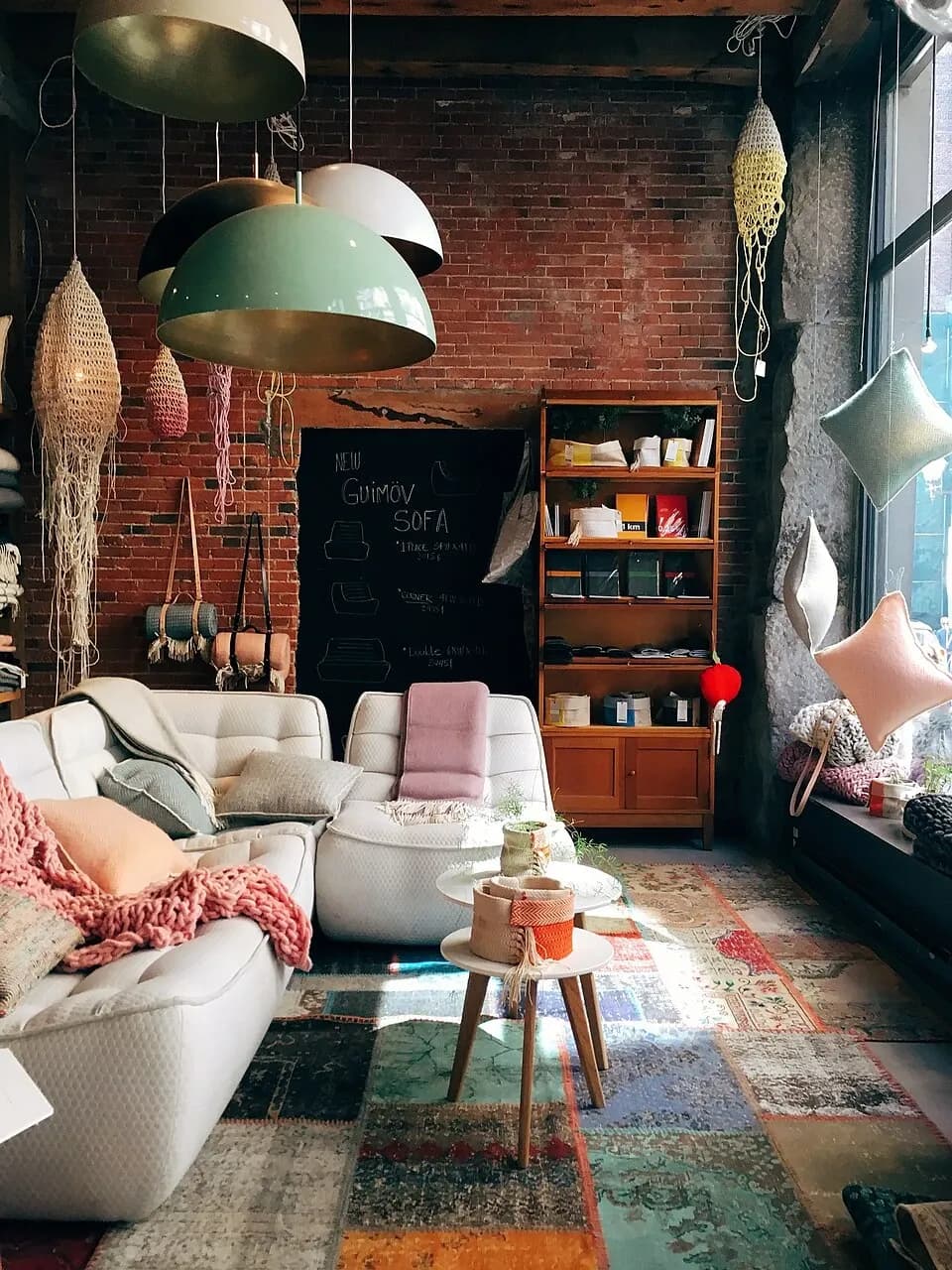
A bright photograph can make an apartment feel easy to imagine. The light may be real, yet the image captures only one direction, one moment and one camera setting. If natural light matters to your daily routine, a property photograph is a useful clue rather than a complete answer. The question is how daylight reaches the rooms you will use, at the times you will use them, in the exact apartment being offered.
Begin with the rooms that matter most. Someone working at home may care about daylight near a desk during working hours. Another household may want a bright kitchen in the morning or a living space that remains comfortable in the afternoon. Write down those preferences before judging the gallery. Otherwise, the most dramatic photograph may lead the comparison even when it shows a room you would rarely occupy.
Ask when and where the photograph was made
Look for a date, time and room label. A wide image of a living area taken with lights on may not show how much light comes through the windows. A photograph made on a clear day cannot describe an overcast visit, and an image from another unit in the building cannot establish the light in the unit on your shortlist. Ask the advertiser to identify the room and the specific apartment represented by each important image.
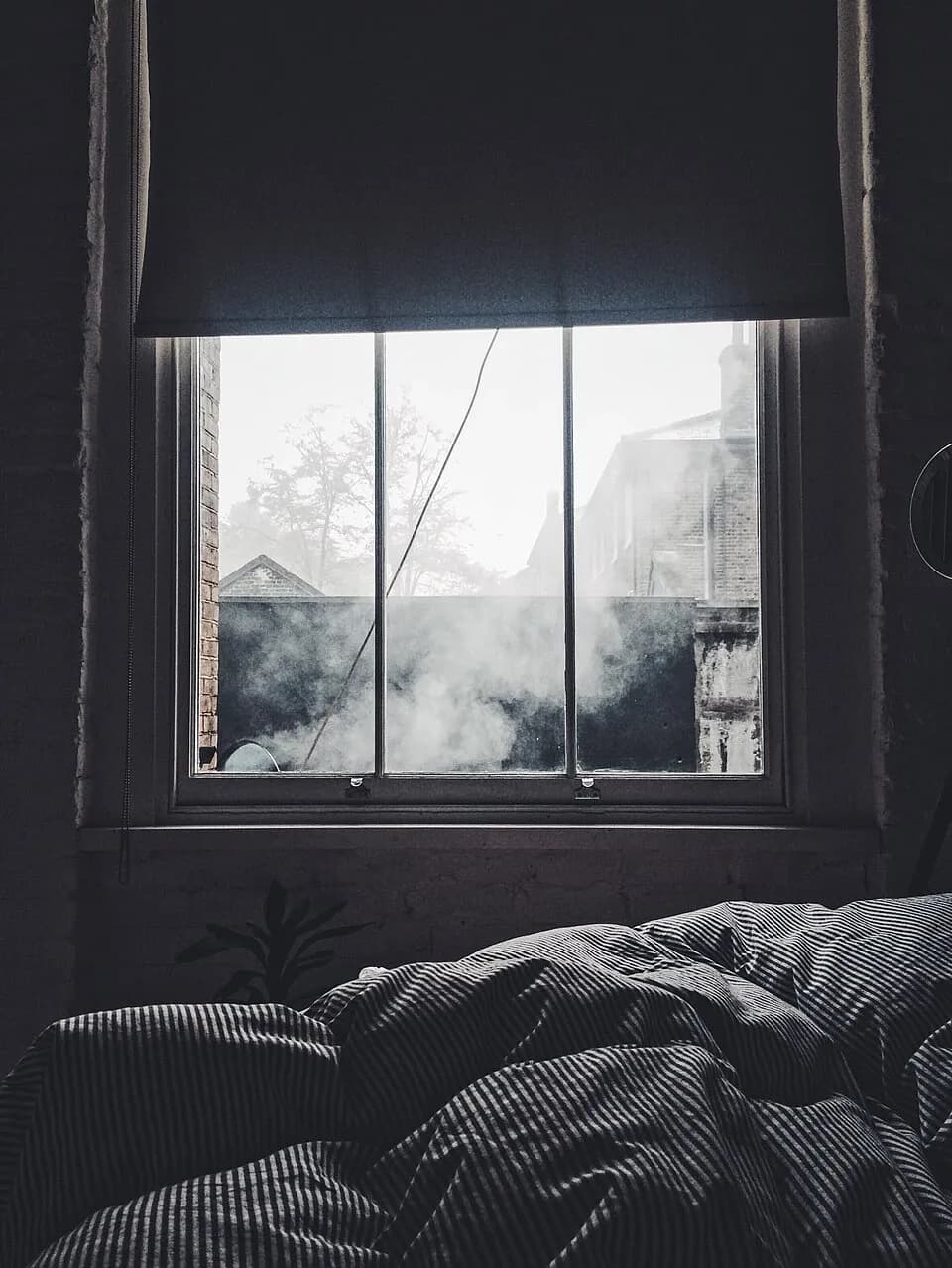
Notice the camera position as well. Exposure adjustments can make a dark corner visible or flatten the contrast between a sunlit window and the rest of a room. This does not prove an image is misleading; photography is designed to make a scene readable. It does mean that screen brightness is a poor measurement of daylight. Use photographs to locate openings and form questions for a viewing.
Map the windows before describing the room
Mark the windows on a floor plan and record which rooms have them. Ask for the direction each opening faces when it is known, then check the statement against a reliable plan or an on-site observation. A room may have a large opening that faces a nearby wall, while a smaller opening may have a less obstructed outlook. Window size alone does not describe the whole experience.
Look beyond the glass. Balconies, deep reveals, neighbouring buildings, walls and trees can change the light entering a room. A courtyard can bring daylight into an internal part of a home, but its usefulness depends on its width, surrounding height and the actual window. These are property-specific features to observe, not conclusions to draw from a city name or a building style.
Plan a viewing that answers a real question
If possible, arrange a visit at a time relevant to your intended use. A morning visit may help with a breakfast area; an afternoon visit may be better for a workspace used later in the day. Record the date, time, weather and whether electric lights were on. Walk through the rooms in the same order each time and note where daylight reaches, where it does not and which areas you could not inspect.
One viewing still has limits. Conditions change with weather and season, and you may not be able to visit at every useful hour. Instead of claiming that the property is always bright, write the narrow observation you can defend: for example, the kitchen work surface received daylight during a particular visit. If an unanswered question could change your decision, ask for another dated visit or a targeted video call.
.jpg)
Use video to test continuity, not just highlights
A video tour can show the transition between rooms that a gallery hides. Ask the person filming to begin at the entrance, walk to each main window and pan slowly from the opening back into the room. Request a continuous segment rather than a collection of attractive clips if the exact route matters to you. Keep the filming time and the apartment reference with the recording.
Ask for a short view with the electric lights switched off where it is safe and practical to do so. This is not a technical lighting test, but it may clarify what the camera is showing. If the video connection or camera adjusts exposure automatically, record that limitation. A video can answer questions about visible openings and nearby obstructions while leaving the full experience of the space uncertain.
Balance daylight with comfort and privacy
More direct sun is not automatically better. Glare can affect a screen or seating position, while a bright window can bring heat at certain times. Shade may be welcome for some activities and disappointing for others. Note how curtains, shutters, overhangs or nearby structures affect the room. Do not infer energy performance or year-round thermal comfort from the apparent brightness of one visit.
Privacy adds another trade-off. A large opening may face another apartment closely, affecting how often the household keeps a curtain closed. A window that is technically present but normally covered may contribute less to the daily experience than a photograph suggests. Compare the view from the room and the view towards it, then decide what level of openness works for your household.
Keep condition questions separate
While looking at windows, note visible damage, stains or difficulty opening them. These observations can guide follow-up, but they do not establish the cause of a defect or the performance of the glazing. A professional inspection may be needed when condition, moisture or proposed changes matter to the purchase. The RICS Home Surveys overview is a general explanation of professional condition assessment, not a Syrian legal requirement.
If a change to a window, balcony or surrounding structure is part of your plan, keep that idea separate from the present home. The US Department of Energy's daylighting introduction illustrates that window treatment and shading can alter the experience of light. It does not tell you whether a particular alteration is permitted, feasible or advisable in Syria; those are local, property-specific questions.
Compare observations, not adjectives
Build a short record for each shortlisted home: the exact room, window position, date and time of observation, electric lighting used, nearby obstruction, privacy concern and unresolved question. “Bright” or “dark” can remain as a personal impression, but give it a factual note beside it. This makes a later conversation with family or an adviser more useful than a ranking based on gallery photographs.
Use What Makes an Apartment Layout Easy to Live In to place the windows within the wider plan, and Balconies, Terraces and Courtyards to consider adjacent outdoor areas. The Investment Handbook can help you turn these observations into a focused viewing agenda. The aim is not to find an abstract “brightest” apartment, but to understand whether the particular rooms serve the life you expect to live there.
Continue your research
Comparing Window Privacy During a Property Viewing
Compare window privacy during a property viewing by checking room positions, curtains, blinds, daytime and evening conditions, and what the sale includes.
Read more
Comparing Dining Space During a Property Viewing
Compare dining space during a property viewing by checking occupied chairs, doors, storage and serving routes for everyday meals and occasional guests.
Read moreSources & review
Last reviewed:
PUT YOUR RESEARCH TO WORK
Start with a place.
Explore Syria’s cities and narrow your property search.