Blog
Five Property Photo Angles That Deserve a Second Look
Read property photographs with better questions about wide views, room connections, windows and outdoor context before comparing homes in Syria.
In this article

A photograph can make you want to see a home. It can also leave you uncertain about how the rooms connect, where the camera stood and what has been left outside the frame. Before comparing two properties in Syria, look at the photographs as observations from particular positions. An attractive image may be accurate while still answering very little about your daily use of the space.
You do not need to accuse the photographer of hiding something. Ask for a complementary view that answers a specific question. Five common viewpoints deserve that follow-up: a wide corner view, a doorway crop, an upward shot, a window-facing exposure and a tightly framed outdoor outlook. None establishes dimensions, ownership or building condition on its own.
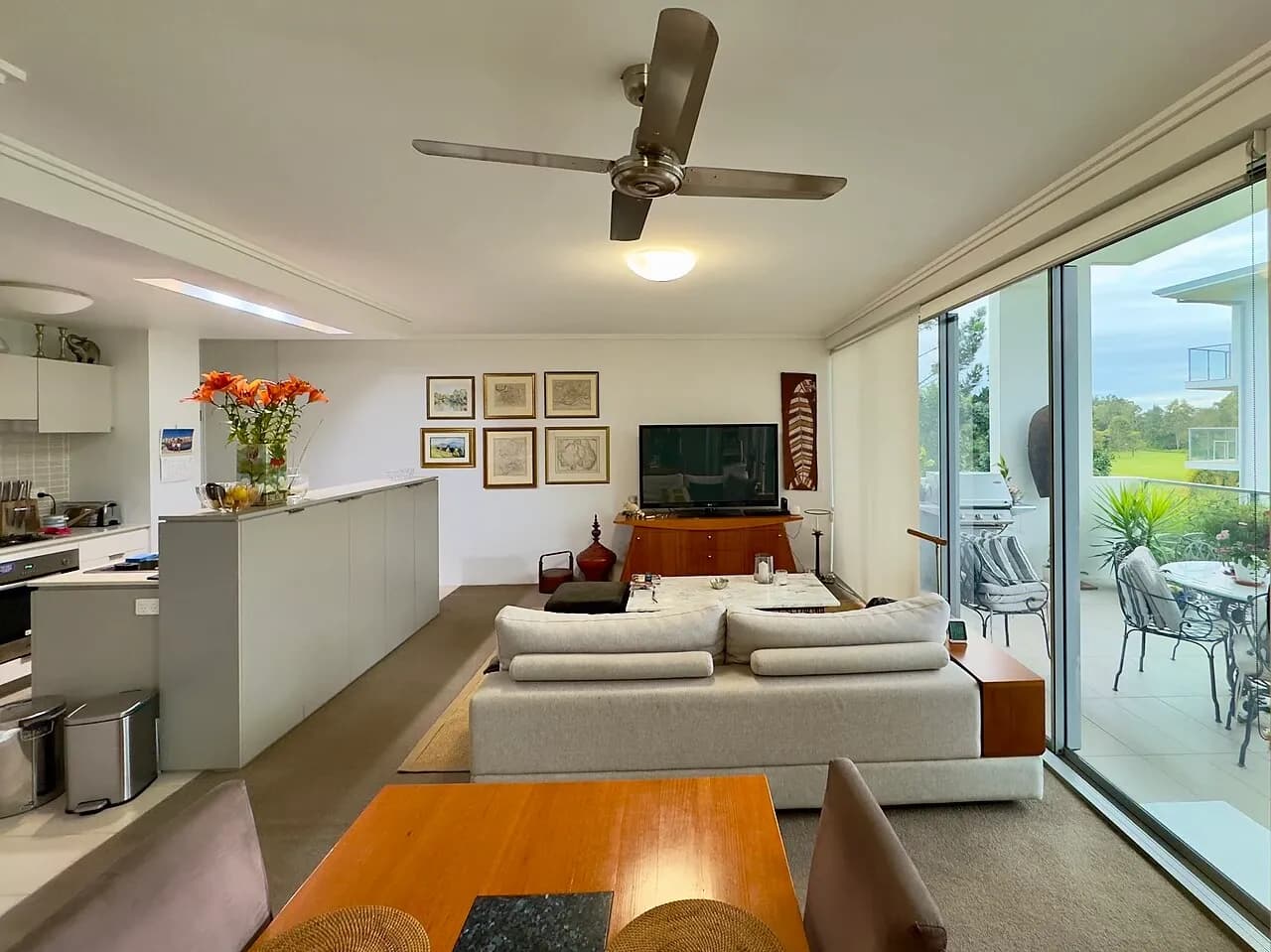
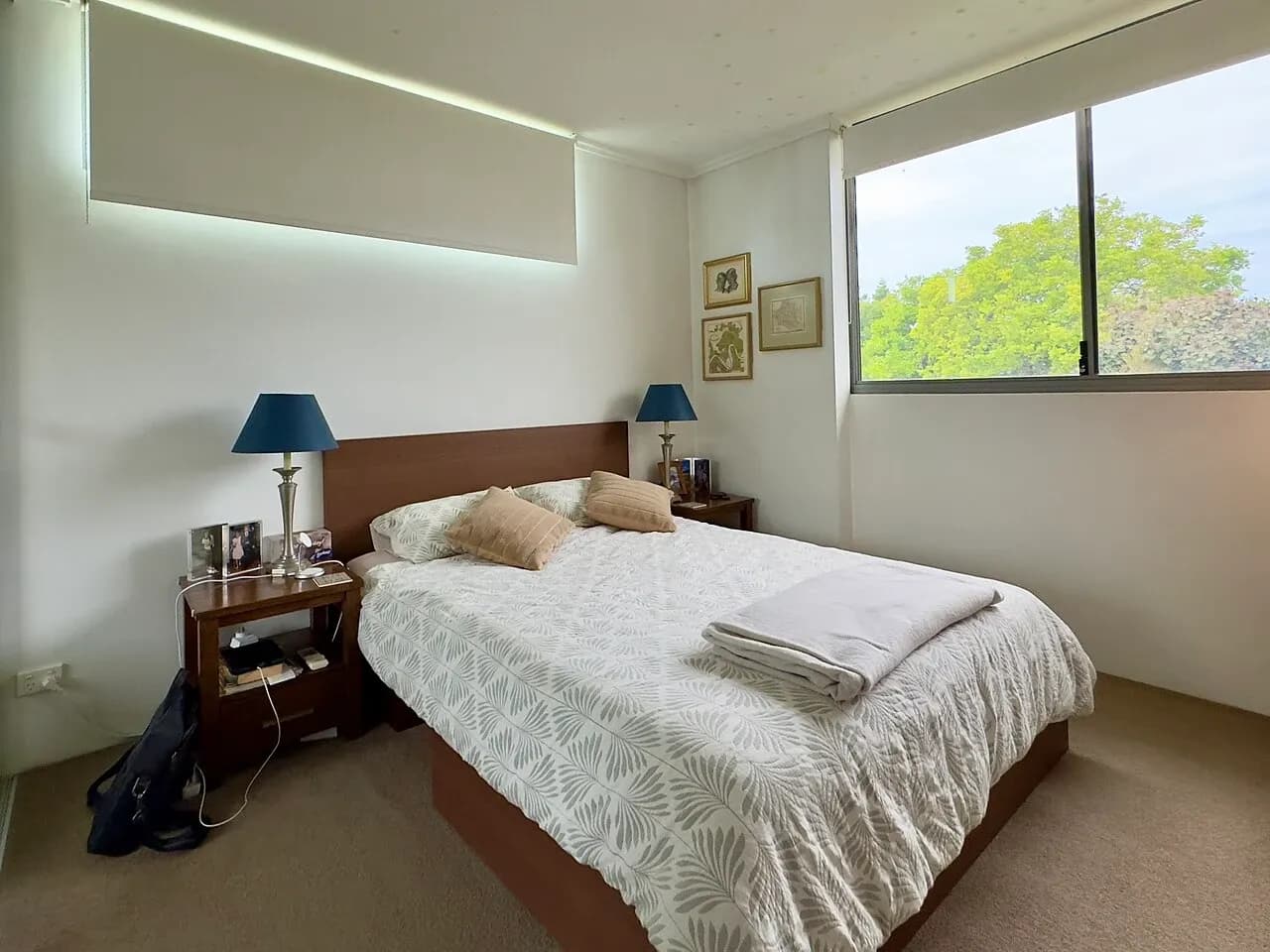
The two interior photographs were taken in Brisbane in June 2025. One shows a lounge, part of a kitchen and a glazed outdoor connection; the other records a bedroom with visible windows. They let you practise identifying what a view includes and leaves unseen. Neither image supplies verified dimensions or represents a Syrian listing.
1. The wide corner that makes every room feel generous
A camera in the far corner can show several walls, a large area of floor and much of the ceiling at once. This is helpful for orientation, but it can make distances difficult to judge. The chair nearest the lens may look much larger than a similar chair across the room. A shallow space can seem to stretch when the foreground dominates the picture.
Ask for a second photograph from a central position at a comfortable standing height. Request a view toward the original camera position as well. You want to see how a sofa, table or bed relates to doors and walkways, not simply whether the room fills a wide frame. If your furniture must fit a particular wall, ask for the relevant measurement with its endpoints identified.
Adobe's wide-angle guidance explains how wide-angle and fisheye images can show distorted lines. That is context about photography, not a test of a building. Curved or leaning lines in a photograph are a reason to ask for better visual evidence; they do not establish structural movement. Equally, straight lines in a processed image do not establish that a room has been measured accurately.
Use the handbook on reading an apartment floor plan beside the images. Mark which doorway and window belong to the photographed room. Leave an uncertain connection unresolved until a plan or another view clarifies it.
2. The doorway crop that leaves circulation unexplained
A photograph taken just inside a door often presents the most attractive wall opposite it. The image might exclude the door swing, a passage behind the camera or a cupboard that reduces the usable entrance. Those omissions matter if the room must accommodate a bed, desk or more than one person moving through it.
Ask for a view from inside the room looking back toward its entrance. Where permission allows, request the same view with the door open, so its relationship to nearby furniture is visible. If a wall seems to end abruptly, ask what lies beyond the frame. Do not assume a cropped opening connects to the room named in the listing.
Consider a purely fictional comparison: two bedrooms appear similar in their main photographs, but one has an entrance opposite the only long wall while the other has the entrance near a corner. The same furniture arrangement may not work in both. That is a layout question, not a conclusion about which property is more valuable. A clear route through the rooms is more useful than another close-up of their finishes.

3. The upward view that changes how vertical lines look
Looking upward can make a facade seem tall and dramatic. It also changes the apparent relationship between windows, balconies and roof edges. A low camera position may hide what happens at ground level, including steps, thresholds or the normal approach to the entrance.
Request a more level view from a permitted, safe position and a separate photograph of the entrance route. Avoid asking anyone to enter traffic, climb a structure or lean from a balcony for a straighter image. Sometimes the street is too narrow for the view you want. Record that limitation instead of treating an unavailable angle as proof of a problem.
Visible cracks, marks or changes in alignment deserve wider context and a qualified assessment where relevant. Keep the original photograph, its source and date. A buyer cannot determine cause or seriousness from the apparent slope of a line on a screen.
4. The window-facing image with an unreadable outlook
When an interior is photographed toward a bright window, the outside may appear almost white. In another exposure, the view beyond the window may be clear while the room is dark. Either image can leave part of the scene difficult to understand.
Ask for separate views of the room and its immediate outlook. Request the approximate time and date, whether blinds or curtains were moved, and which room the window belongs to. A single bright afternoon image cannot show what the room is like throughout the day or in another season. Artificial lighting, weather and the camera's exposure all affect the appearance.
Look for the practical question behind your interest in light. If you plan to work at a desk, which wall is available and how does it relate to the window? If privacy matters, what faces the window nearby? Save those questions without converting a photograph into a promise about daylight or overlooking.
5. The outdoor view with its edges missing
A tightly framed view of trees, a courtyard or a distant landmark may omit the balcony floor, adjacent buildings or the door used to reach that outlook. Ask for a wider photograph showing where the camera stood and how the outdoor space connects to the home.
If the listing claims a terrace, parking space or garden is included, separate the visible scene from that claim. Seeing a space in a photograph does not establish a right to use it. The relevant documents and independent legal review answer a different question from the camera.
Bring unresolved photo questions to a second viewing, when an appropriate viewing can be arranged. Give that visit a defined task rather than trying to reproduce the listing's best angle. For someone preparing images, the photographer briefing guide explains how context and honest room coverage make a listing easier to understand.
Keep a short image register: room or space, photographer as supplied, date, viewpoint, question answered and follow-up needed. When the pictures become clearer, update the evidence behind your comparison. You may still prefer the same home, but you will understand more precisely why.
Continue your research

Comparing Property Marketing Proposals Before Selling
Compare property marketing proposals by checking listing preparation, advertising placements, enquiry handling, viewing attendance and the work left to you.
Read more
Comparing Cleaning Quotes Before a Property Handover
Compare cleaning quotes before a property handover by checking rooms, cupboard interiors, furniture, preparation, timing and the tasks included in each offer.
Read moreSources & review
Last reviewed:
PUT YOUR RESEARCH TO WORK
Start with a place.
Explore Syria’s cities and narrow your property search.