Investment Handbook
Selling Property in Syria: Preparation, Offers and Handover
Prepare to sell property in Syria with accurate records, a supported asking price, clear photographs, comparable offers and a documented handover.
In this article
Selling property in Syria is a sequence of decisions about evidence, presentation, price, negotiations and completion. A strong advertisement can bring attention to a home, but the sale still depends on whether the seller can explain the proposed interest, respond to sensible enquiries and agree terms that can be completed. The best preparation makes those later conversations clearer before a buyer is ready to make an offer.
Begin with the purpose of the sale and the amount you actually need after costs and obligations. Then organise the legal file, inspect the physical presentation and decide how information will be shared. These tasks reinforce one another. A carefully prepared photograph should match the property a buyer can view, and a confident description should be supported by evidence rather than by the seller's wish to achieve a particular price.
This guide is about managing the seller's decision, not declaring a universal Syrian transaction process. The relevant documents, permissions, taxes, authority and completion arrangements need advice specific to the property and parties. No sale price, time to sell or buyer availability is guaranteed. What the seller can improve is the quality of the preparation and the clarity with which proposals are assessed.
Define the sale objective and constraints
Write down why you are selling and what happens afterwards. A seller moving home has different timing needs from an investor reducing exposure or a family organising a jointly owned asset. If the sale proceeds must support another purchase, keep the dependencies visible. The next commitment should not silently assume that this property will sell at the advertised price on an exact date.
Identify constraints that affect negotiations. These may include occupation, the availability of people whose decisions are needed, a representative's authority, the need for professional review or a minimum period to organise moving. Ask your lawyer which matters are legally relevant and how they should be handled. A personal target date is useful for planning but should not be presented as a settled completion arrangement before the transaction supports it.
Separate a preferred outcome from a non-negotiable requirement. You may prefer a certain price while needing a particular net amount or a controlled handover. Knowing that difference helps evaluate an offer without reacting only to its headline figure. It also lets you explain practical priorities to an adviser or intermediary without instructing them to make promises you have not reviewed.
Assemble the property file before marketing
Collect the records relevant to the proposed sale and prepare an index. Ask your lawyer to explain what each item establishes, how its authenticity or status should be checked and what further evidence is needed. Keep copies identified by source, date and version. A folder containing many documents is not necessarily a complete file if no one understands how they relate to the advertised asset.
Check the consistency of names, descriptions, unit identifiers and the spaces included in the offer. Record differences for advice rather than editing documents yourself or relying on an informal explanation. A buyer's question about a mismatch is easier to answer when the seller has already recognised it and obtained an appropriate response. Concealing the uncertainty to avoid a difficult conversation can make the eventual negotiation more fragile.
If the property involves inherited interests, joint ownership or representation, give those circumstances their own review. Establish who can decide, who can sign and what authority needs to be demonstrated. Possessing keys or managing a home does not, by itself, answer those questions. Our guide to preparing documents before selling supports the organisation task; the legal conclusions belong with the adviser reviewing your case.


Describe exactly what the buyer would receive
Prepare an inclusion record for the property interest and the physical items. Clarify how rooms, storage, balconies, parking or shared areas are represented. If their status needs legal interpretation, use the reviewed description rather than advertising an assumed exclusive right. A photograph of a space does not establish that it forms part of the sale.
List appliances, fittings and contents you intend to leave or remove. Specify items clearly enough to avoid a dispute about a generic term such as furnished or equipped. If an item will be replaced before handover, explain the intended arrangement and ask for it to be reflected appropriately in the reviewed terms. Do not rely on a buyer remembering what was said during a busy viewing.
Keep this record aligned with photographs and descriptions. A room shown with valuable furniture can create an expectation even when the seller privately intends to remove it. Caption and explain illustrative presentation accurately, and revise the listing if the contents or condition materially change. Consistency helps both parties negotiate the actual offer rather than different mental pictures of it.
Inspect presentation without disguising condition
Walk through the home as a buyer would. Look at the arrival route, the entrance, room circulation, light, storage and the way equipment is presented. Cleaning, organising loose items and making agreed viewing areas accessible can improve understanding without changing the asset. A cluttered corner may hide a useful space, while an over-arranged room may make the buyer unsure how it functions in ordinary use.
Identify observations that need professional advice. A stain, crack or equipment issue should be recorded and addressed appropriately rather than cosmetically hidden to prevent questions. Ask your lawyer about the information that should be disclosed in the actual sale circumstances. This guide does not define a universal disclosure list, but preparation should make the seller's descriptions accurate and capable of explanation.
Distinguish cleaning, maintenance, repair and optional improvement. Each has a different purpose and level of uncertainty. You may decide that an optional upgrade does not justify its cost before selling. That decision should not be confused with leaving an essential concern unexplained. If work is undertaken, retain relevant records and avoid claiming that a new finish certifies conditions that were not assessed.

Choose pre-sale work by its purpose
Before commissioning work, ask what problem it solves for the sale. Does it restore a function, allow access for inspection, reduce a known maintenance issue or simply express your taste? Request a clear scope and price basis. A seller can spend heavily on decorative changes without evidence that buyers will value them enough to cover the cost.
Compare doing the work with explaining the current condition honestly. Some buyers may prefer to make their own choices, while others may need a home ready for their intended use. This is a question about the particular buyer audience and evidence, not a universal rule that renovated homes always sell better. Obtain appropriate professional advice where the decision depends on technical condition or value.
Keep the sale timetable realistic if work is planned. Include investigation, delivery and follow-up checks rather than setting a photography date based solely on a contractor's first estimate. If the work changes the property description, update the records and images. The cost and disruption of preparing the sale should be visible in the net-proceeds calculation, not treated as an expense that somehow sits outside the transaction.
Develop an asking price from relevant evidence
An asking price is a proposal, not proof of value. Compare genuinely relevant properties by the interest offered, usable layout, condition, building arrangements, included items and evidence available. A larger advertised area or newer finish may not make another property a valid comparison. Keep the source and date of each comparison so its usefulness can be reviewed as circumstances change.
Distinguish asking prices, negotiated offers, completed transactions and professional opinions. They answer different questions. Where a professional valuation is needed, agree its purpose, basis, date and scope. The RICS overview of comparable evidence in valuation provides professional context for examining evidence; it does not supply a Syrian market price or replace a property-specific valuation.
Discuss the relationship between price and conditions. An ambitious asking price can leave room for negotiation, but it may also attract enquiries that do not match the seller's priorities. Do not claim that a particular discount or pricing method guarantees a sale. Decide how and when you will review the asking position using actual responses and updated evidence, rather than defending the first number because it appeared in an advertisement.

Calculate net proceeds with explicit unknowns
Prepare a seller's cost record before accepting an offer. Include advice, agreed intermediary services, verified charges or taxes where applicable, pre-sale work, moving arrangements and obligations identified by your advisers. Record whether each amount is confirmed, quoted, estimated or unresolved. Unknown items must stay visible because they affect the amount left for the seller's next purpose.
Avoid importing a fee percentage from another market or assuming that a buyer pays every transaction cost. Ask for the actual proposed allocation and have it reviewed. If a service charge is based on the sale amount, show how the calculation would change across offers. If an obligation must be settled from proceeds, discuss the arrangement with your adviser and include its timing in the plan.
Use simple arithmetic without turning it into a forecast. In a fictional neutral-unit example, an offer of 100 with verified and estimated selling commitments of 7 leaves 93 before any omitted items. An offer of 104 with 12 of commitments leaves 92. The higher headline amount produces the lower stated net result. These are invented teaching figures, not Syrian charges, tax rates or prices; your comparison must use the amounts established for your circumstances.
Prepare photographs that explain the real home
Plan images around useful buyer questions: room layout, circulation, natural light, storage, fixed equipment and the relationship between rooms. Use genuine photographs of the offered property with appropriate permission. Keep an accurate record of when they were taken and what has changed since. A dramatic close-up can be attractive, but it should not replace an image that lets the buyer understand the whole room.
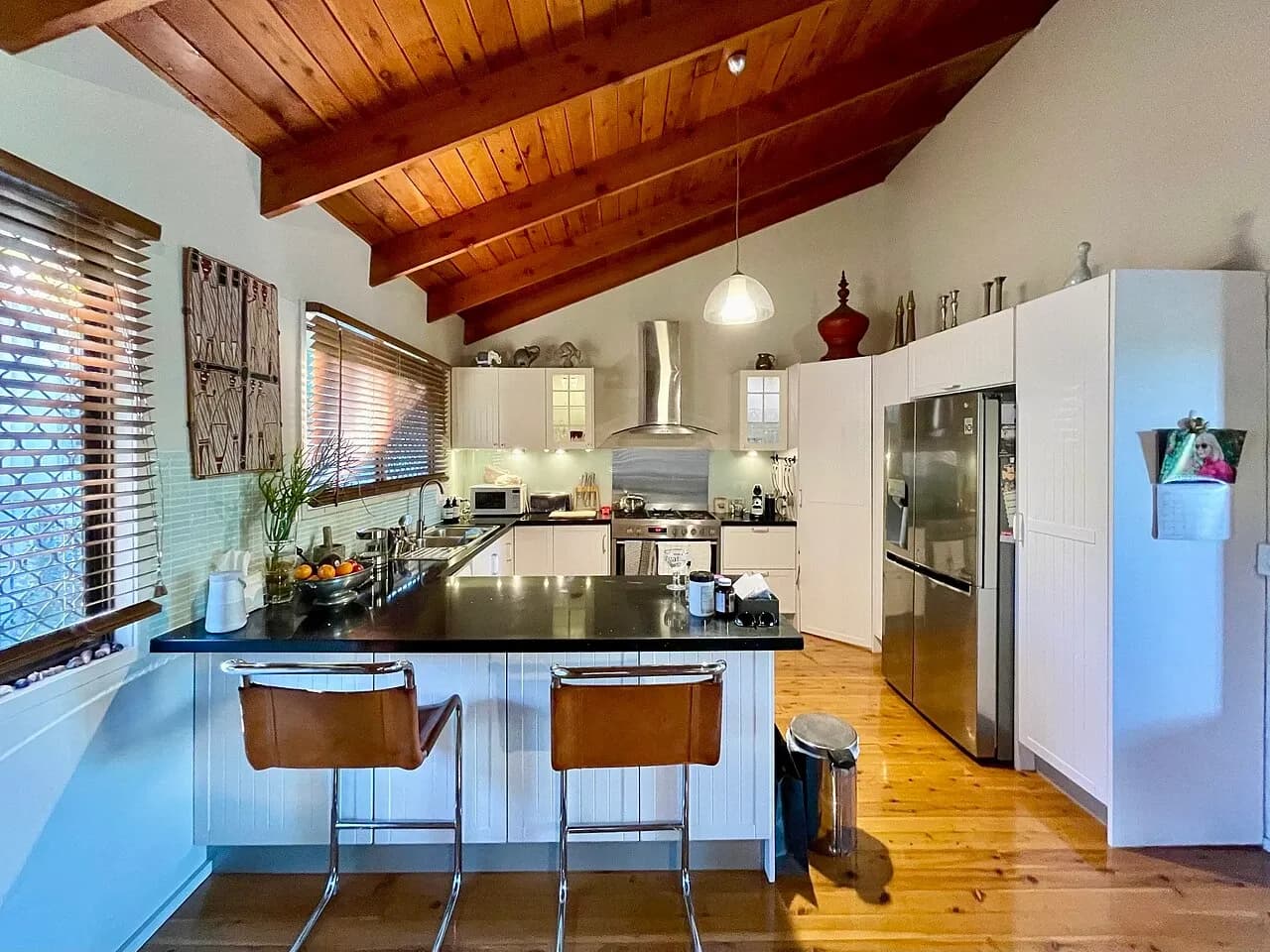
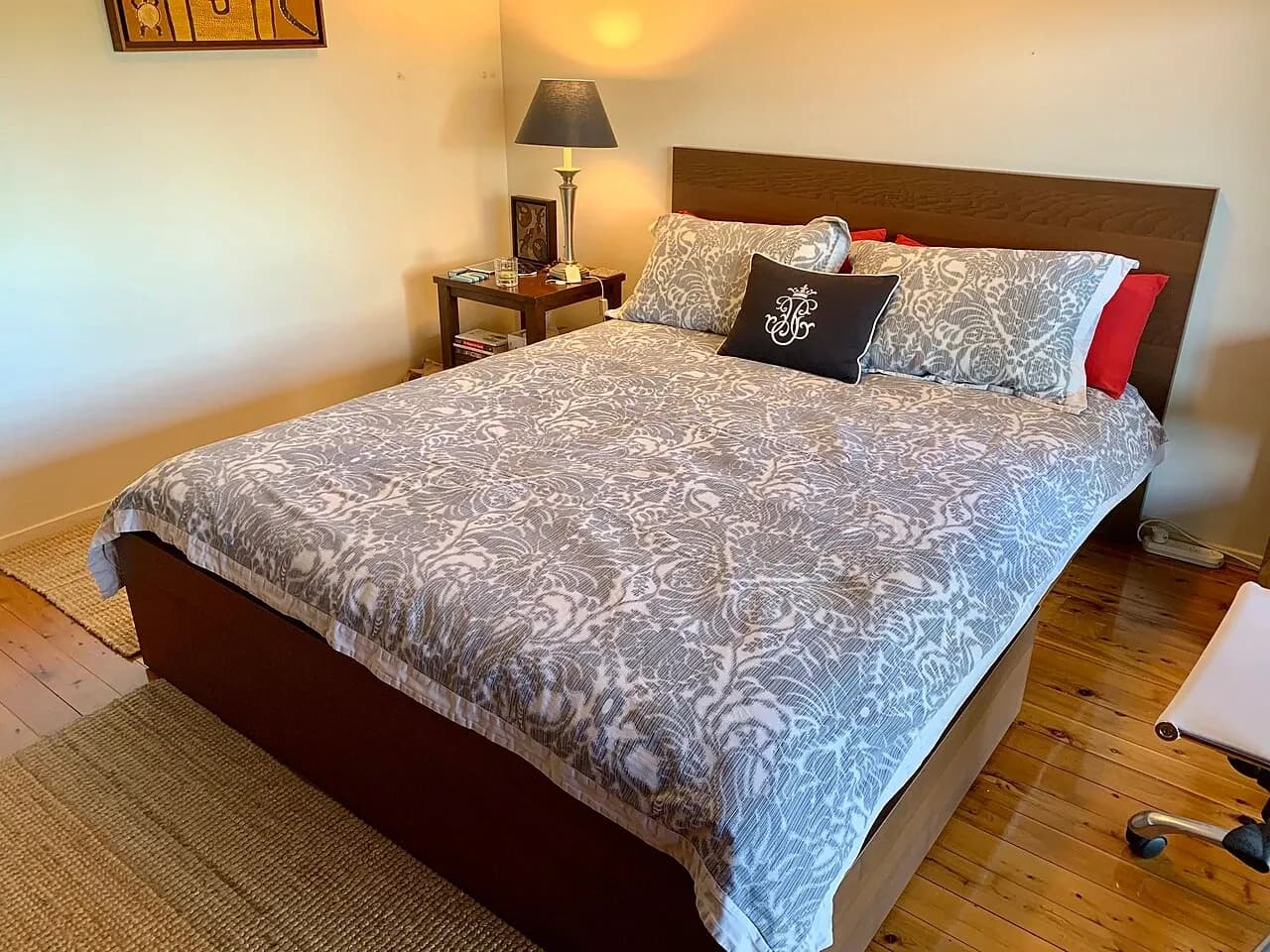
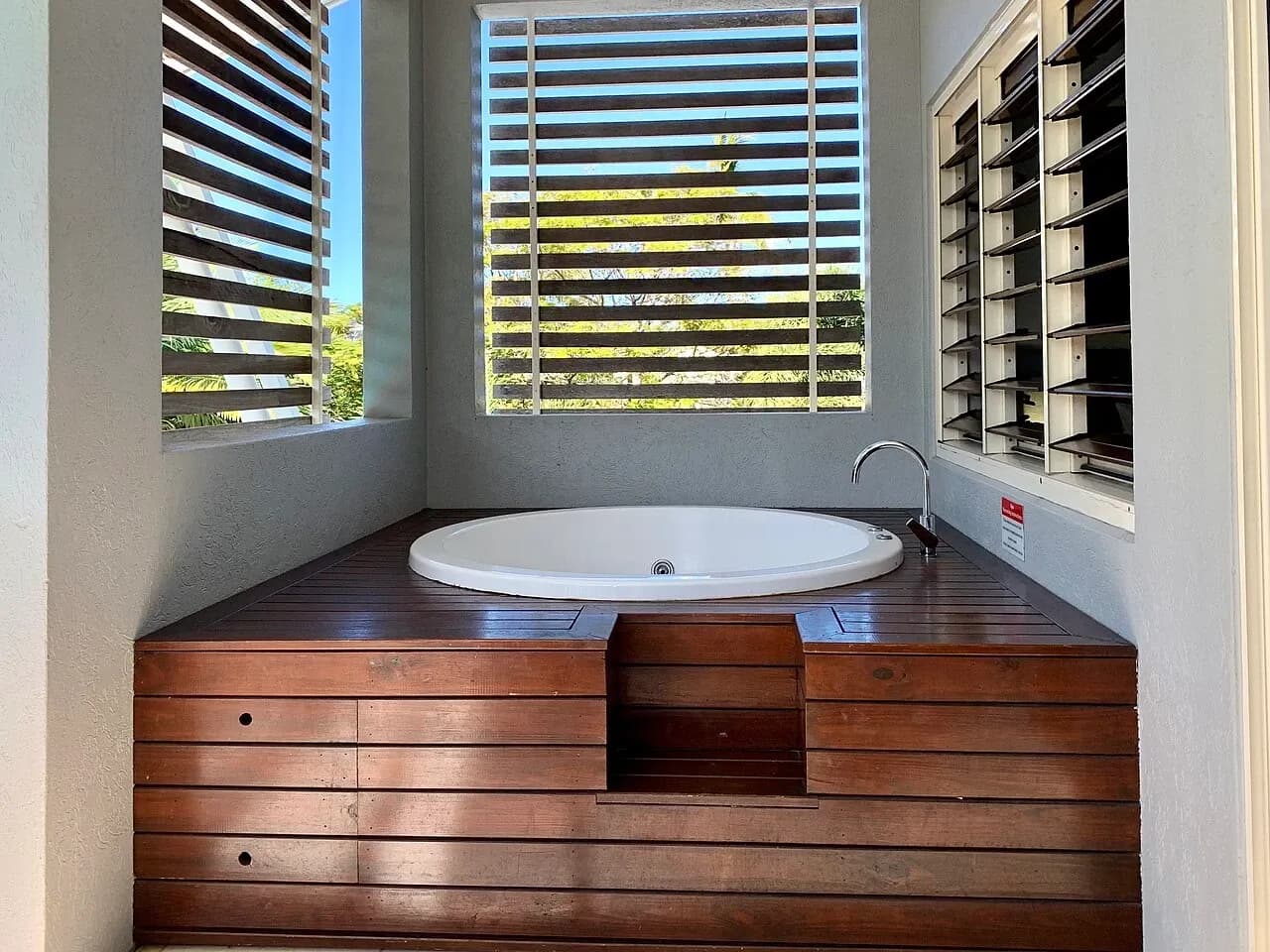
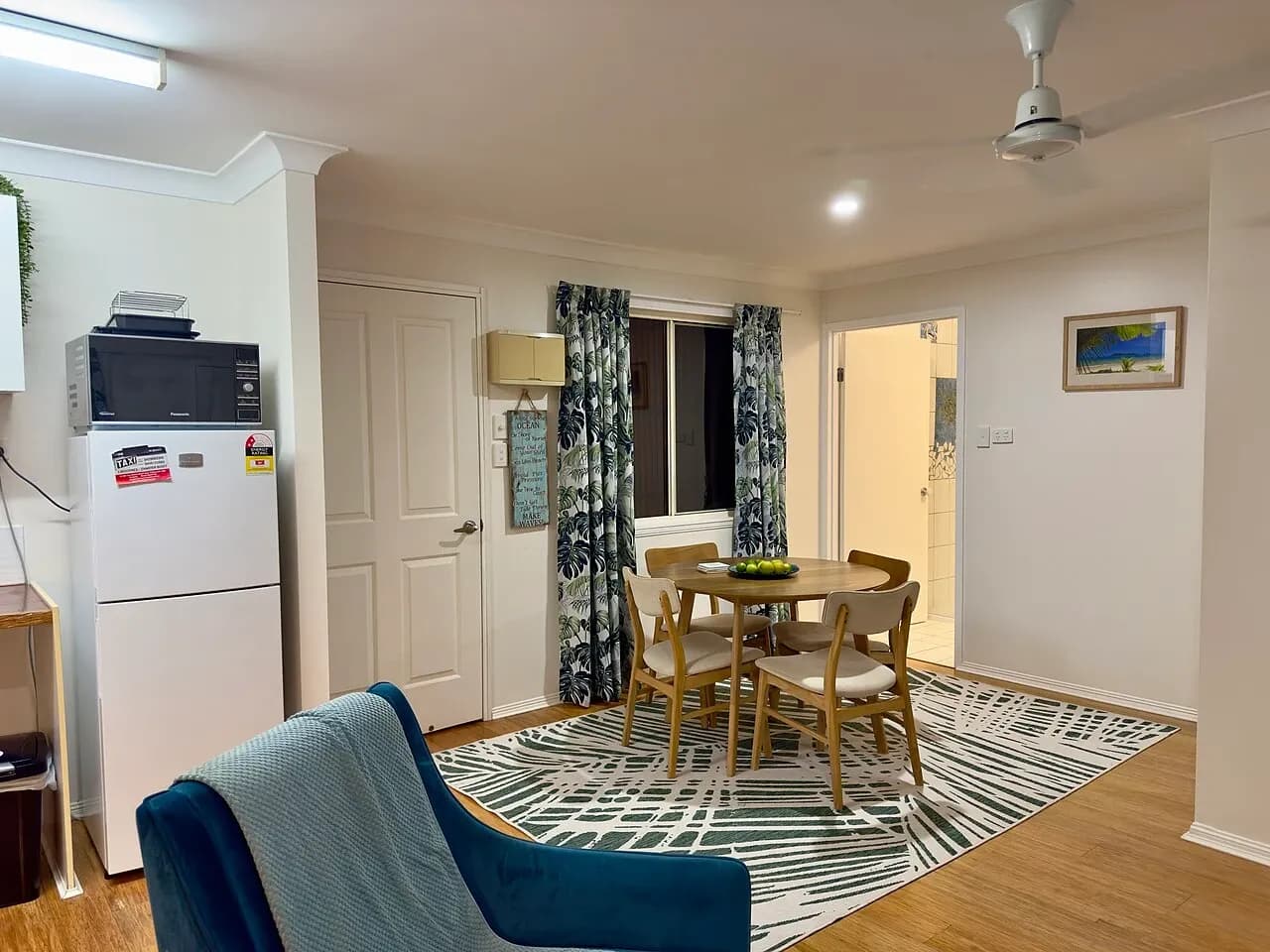
Avoid image edits that materially misrepresent space, finishes, views or condition. If an image is illustrative rather than a photograph of the actual listing, label it clearly. Do not use a different property's room to stand in for a space that has not been photographed. The six photographs accompanying this editorial guide are licensed illustrations, not evidence of a home currently offered through Properties Syria.
Remove or avoid unnecessary private information before photographing. Think about personal papers, family images, screens, labels and other identifying details. Agree permissions where people or another person's possessions could be shown. Our guide to briefing a property photographer focuses on the assignment itself. A good brief supports an accurate viewing decision rather than creating expectations the property cannot fulfil.

Write a listing that separates facts from opinions
Describe features you can support and identify the scope of what is offered. If a dimension is measured, record its basis; if it comes from an unverified advertisement or document, do not present it as your own verified measurement. Avoid vague superlatives and unsupported investment claims. A buyer needs information about this asset, not a general promise that property always increases in value.
Explain practical limitations where they affect the description. If access to a space is shared or a feature requires clarification, use wording reviewed for the circumstances. Do not advertise legal conclusions such as clear title, unrestricted use or guaranteed transfer merely because they sound reassuring. Those claims demand specific evidence and advice.
Keep a dated approved version of the listing and an update record. Ask intermediaries to use that version and bring proposed changes back for review. Multiple descriptions can create avoidable inconsistency, particularly when one source adds claims about rental income or future works. A seller should be able to show what was represented at each stage and how genuine corrections were communicated.
Organise enquiries and viewings respectfully
Choose who responds to enquiries, arranges access and records questions. Keep a consistent information set so each potential buyer receives an accurate explanation. Answer what you know, distinguish what needs advice and give a practical next step for unresolved questions. Guessing at a technical or legal answer to keep a viewing moving can create a promise that the seller never intended to make.
Arrange viewing boundaries with occupants and other affected people. Agree notice, access to rooms, photography permissions and the handling of personal information. A potential buyer's interest does not automatically authorise unrestricted photography or access to private records. The seller needs a workable process that supports examination of the property while respecting the people using it.
Record useful feedback without treating every remark as a market conclusion. A buyer may object to a feature because it does not suit that household, not because the property has lost value. Look for repeated practical questions, missing information or inconsistencies in the presentation. These can be improved. A single optimistic comment about price is not reliable evidence that the next offer will meet it.

Assess offers as complete proposals
Ask for an offer to describe more than an amount. Record the parties, the proposed interest, included items, conditions, expected review period, payment structure and requested timing. Ask your lawyer which information and checks are appropriate before progressing. A verbal indication of interest can help a discussion, but it should not be treated as a settled transaction.
Compare the offer with your constraints and net-proceeds record. An apparently strong amount may depend on changes, a long uncertain period or an arrangement your advisers consider unacceptable. Another proposal may offer less but fit the seller's practical requirements better. Do not simplify those differences into a rule that speed always deserves a discount or that the highest figure should always win.
Keep unresolved conditions visible. A buyer requesting further inspection is different from a buyer whose authority or proposed payment arrangement remains unexplained. Both may require time, but their implications differ. Use advice and evidence to assess them rather than judging seriousness from confidence, nationality, personal familiarity or willingness to promise a fast completion.
Negotiate changes without losing the original agreement
Record each proposed adjustment to price, contents, timing or other conditions. Identify which previous version it replaces and whether other terms remain open. An agreed change to an appliance should not inadvertently change the handover date or the proposed allocation of a cost. Give your adviser the whole current proposal so the legal review is based on the actual negotiation.
If an inspection produces a new concern, ask what it establishes and what further assessment is needed. Separate the finding from a proposed price reduction. A buyer's requested reduction is a negotiating position; it is not automatically the measured cost of a remedy. The seller can obtain appropriate advice and discuss whether the issue changes the scope, amount or willingness to proceed.
Avoid making concessions under pressure before understanding their combined effect. Several small changes can create a substantially different sale. Recalculate net proceeds and review practical obligations after each meaningful revision. A clear negotiation record helps both parties recognise whether they still agree on the same property and outcome, rather than discovering at signing that their assumptions have diverged.

Review payment arrangements independently
Ask your lawyer and relevant financial provider to explain the proposed payment arrangement for the actual transaction. Identify who receives each payment, how its purpose is documented and what conditions apply. This guide does not recommend a transfer route or establish that a particular method is available, lawful or suitable for every seller. The arrangement should be reviewed before the parties rely on it.
Treat changes to receiving details as a separate verification event. The UK's National Crime Agency payment-diversion factsheet describes the risk of substituted payment instructions. It does not establish Syrian banking procedure. The practical precaution is to verify a change through independently established contact information rather than trusting an unexpected message simply because it appears within a familiar discussion.
Keep amounts, deadlines, recipients and receipts linked to the reviewed agreement. Ask what evidence confirms the relevant obligation has been met. Do not hand over access, original records or possession solely because someone has displayed an unverified screenshot. The legal and financial steps need an agreed sequence appropriate to the transaction, with specialist advice where the seller cannot safely interpret the evidence alone.
Prepare the handover before the moving day
Create an agreed handover record that identifies the property, date, people attending, access items and included contents. Separate physical delivery from any legal conclusions that require your adviser. Providing a key is a practical act; it does not by itself explain whether every contractual and documentary obligation has been fulfilled. The parties need a clear account of both.
Check the home against the current inclusion record. If items are removed, replaced or damaged after viewings, address the change before handover. Record relevant equipment information and demonstrated readings where appropriate, without certifying safety or performance beyond the available evidence. Keep photographs dated and permissioned so they support a shared record rather than an unexplained collection of images.
Organise moving and cleaning around the agreed arrangements. Ask what happens if timing changes or an unresolved item prevents the planned sequence. A seller should not improvise a remedy based on a checklist alone; the adviser must explain the options under the actual agreement. Planning these discussions early reduces the pressure to decide them while belongings, buyers and contractors are waiting at the door.
Retain a useful sale record and review the next commitment
After completion, organise the reviewed agreement, relevant correspondence, payment evidence and handover record as advised. Keep personal information securely and share it only with people who have a legitimate need. Ask your adviser about appropriate retention rather than importing a period from another country's tax guide. A useful file explains the transaction without exposing unnecessary details to every later enquiry.
Reconcile actual proceeds and costs against the plan. Identify estimates that changed and obligations that remain. If the sale funded another purchase or investment, use the actual available amount rather than the original advertised price. The difference matters to the household's next decision even if the sale felt successful in a negotiation.
A professionally prepared sale has a coherent story: the offered interest is explained, the home is represented accurately, proposals are assessed as complete arrangements, and delivery follows reviewed terms. It cannot guarantee a buyer or a price. It can give the seller a more disciplined route through a significant decision, with fewer assumptions left to be discovered when a promising offer becomes a real commitment.
Continue your research
Keeping Property Viewing Feedback Useful When Selling
Organise property viewing feedback in Syria by visit, source and unresolved question, then track clear follow-up without treating comments as market evidence.
Read more
Preparing Limited Property Document Copies for Sharing
Prepare clearly labelled property document copies in Syria for a defined recipient and purpose, preserving originals and checking exported files and later versions.
Read moreSources & review
Last reviewed:
PUT YOUR RESEARCH TO WORK
Start with a place.
Explore Syria’s cities and narrow your property search.