Investment Handbook
Questions About Earlier Property Alterations Before Buying
Review earlier property alterations before buying in Syria: compare dated accounts with the current layout and prepare questions for independent professional advice.
In this article
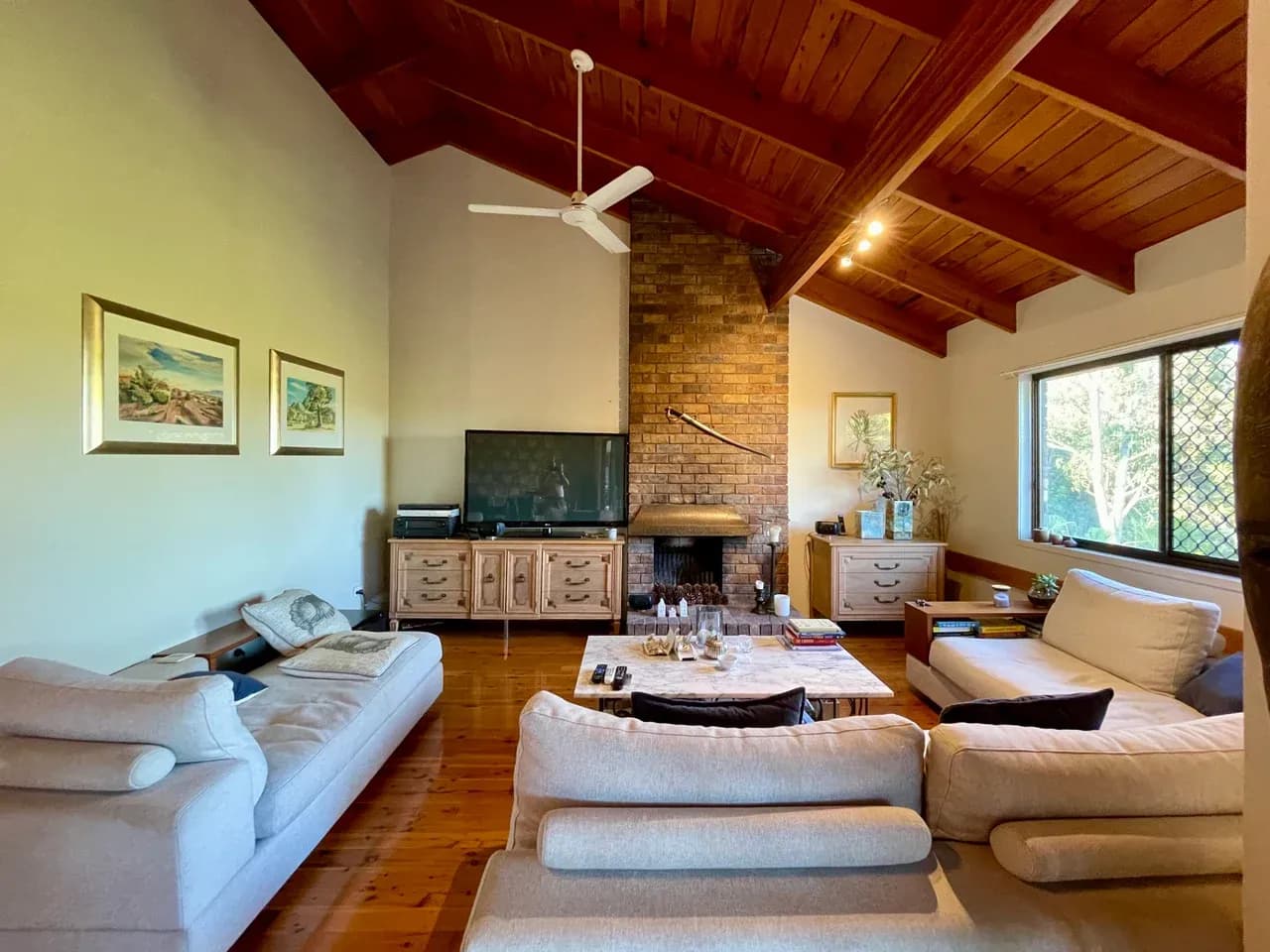

A property can look straightforward during a viewing while its history remains unclear. A doorway may have been moved, a balcony enclosed or two rooms joined. The useful buying question is not simply whether the result looks attractive. It is what changed, which part of the property was affected and what supports the seller’s explanation of that change.
This guide helps buyers in Syria prepare a focused enquiry about earlier alterations. It does not determine whether work was permitted, technically suitable or legally complete. Those conclusions need independent local legal and technical advice on the particular property. A tidy finish, confident account or old photograph cannot provide them by itself.
Keep this enquiry separate from your general assessment of the home. The aim is to identify differences that matter before a commitment, preserve the evidence behind each account and give advisers questions they can actually answer. Start with the arrangement you are considering buying, rather than an assumed original version of it.
Describe the change before asking whether it was approved
Ask the seller to identify each known alteration in ordinary language and locate it precisely. “The apartment was modernised” might mean new paint and cupboards, but it could also conceal a moved kitchen or a changed entrance. Record which room, opening, balcony, service route or other space the account concerns. If several changes occurred, give each a separate entry.
Separate what you can observe from what someone tells you. You might see one large room where a supplied drawing shows two; that observation does not establish when the difference arose or how it was created. Write down the drawing’s title and date, the present arrangement described during the viewing and the seller’s attributed explanation. Avoid turning a possibility into a finding.
Ask what the seller means by “original”, “approved” or “completed”. Each word needs a specific reference. Original to which date or document? Approved by whom, for what work and in what form? Completed as a physical task, or with a particular review or record? Preserve the answer without treating the wording as legal or technical clearance.
Compare dated accounts without inventing a building history
Bring the available material into a short chronology: drawings, photographs, correspondence and the seller’s account of work. Keep original files and their labels. A photograph received yesterday may depict a much earlier arrangement; a drawing may be a proposal rather than a record of what exists. Record these distinctions before attempting to compare them.
For example, imagine a fictional apartment where a dated drawing shows an open balcony, an older photograph shows glazing and the present viewing shows an enclosed space used for storage. That sequence gives you questions. It does not prove when enclosure occurred, who arranged it, whether it formed part of a wider project or what permissions applied. The example is not evidence about a Syrian property or a universal balcony rule.
Use your floor-plan reading questions to describe the difference clearly. For this enquiry, the important additional task is attributing each version to its source. If a plan has no date or its relationship to the exact apartment is uncertain, keep that uncertainty visible rather than selecting the version that best fits the seller’s story.

Find out what each supporting paper actually covers
Request the material behind permission, inspection or completion claims and ask your lawyer which records are relevant locally. Match each supplied paper to the property, affected spaces and described work. A document referring to the building as a whole may not explain the particular apartment change. A paper concerning one stage should not silently become evidence for every later alteration.
Different formal processes can also have different purposes. The GOV.UK building-regulations overview distinguishes planning permission from building-regulations approval in its own jurisdiction. That is limited background for asking what an “approval” refers to; it does not establish Syrian procedures, necessary documents or the legal effect of a supplied record. Your local adviser must assess those questions.
Note whether you have a complete document, a selected page, a photograph or an account of a document that has not been supplied. Preserve visible references and any accompanying explanation. Do not infer authenticity, transferability or continuing validity from a stamp, signature or reassuring file name. Ask the adviser what further evidence would be needed and who can obtain it through an appropriate authorised route.
Separate physical questions from documentary questions
A coherent document history does not establish present condition. Equally, an attractive room does not resolve the documentary position. Give your technical assessor a description of the suspected change and ask whether it affects the inspection scope. The relevant questions depend on the actual work, access and concerns; this guide supplies no structural diagnosis or universal testing instruction.
RICS public home-improvements guidance treats design, structural questions and permissions as matters needing appropriate professional input. Its UK rules and services are not Syrian requirements. The practical lesson here is to avoid asking one general viewing to answer every issue. Clarify which adviser will consider the physical arrangement, which will examine the legal records and where their findings depend on one another.
Ask what can be assessed with the access available and which questions would remain open. A seller’s promise that a wall was not structural is an attributed account, not your assessor’s conclusion. Do not open finishes, disturb equipment or enter restricted spaces to prove it yourself. Agree any further access through the people authorised to arrange it and let qualified advisers define an appropriate assessment.
Carry unresolved differences into the buying decision
Create a concise enquiry record with one line for each alteration: the affected space, observed difference, attributed explanation, supporting material and outstanding question. Include the date of each answer. This keeps a later conversation from replacing earlier uncertainty with an unrecorded reassurance. A newly supplied paper should update the entry, with its limits, rather than erase the previous gap.
Identify what you need to understand before choosing whether to proceed. An uncertainty might affect your intended use, an inspection instruction or the legal review of the exact asset. Ask your advisers how that uncertainty bears on the decision; do not assume it creates a particular cancellation right, price adjustment or route to retrospective permission. This article offers no Syrian rule on those matters.
Include the alteration record when preparing an ownership review with a Syrian property lawyer. Keep the property description consistent across the legal and technical enquiries, and distinguish resolved questions from those still awaiting evidence. A useful outcome is a clearer decision with stated dependencies, rather than a claim that every earlier change has been cleared.
Continue your research

Preparing a Property Document Translation Brief
Prepare a property document translation brief for Syria: identify the source version, intended use, names, numbers, unclear passages and delivery checks.
Read more
Checking Whether Parking Is Included in a Property Purchase
Check what parking a Syrian property purchase includes: identify the claimed space, link supporting records and resolve allocation, access and proposal differences.
Read moreSources & review
Last reviewed:
PUT YOUR RESEARCH TO WORK
Start with a place.
Explore Syria’s cities and narrow your property search.