Investment Handbook
How to Document a Second Property Viewing
Make a second property viewing useful with a focused agenda, consistent measurements, dated photographs and a clear record of unresolved questions.
In this article
.jpg)
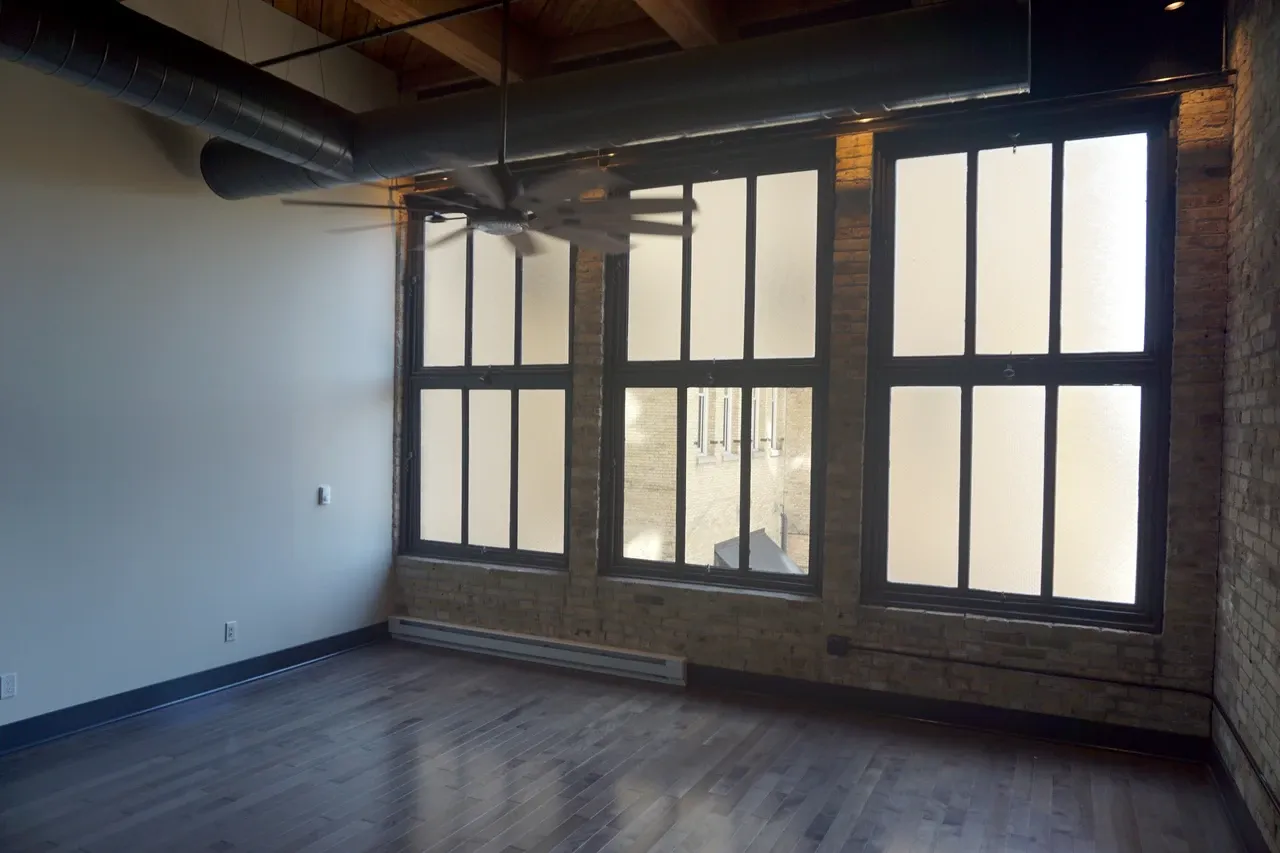
A second viewing should resolve something that the first visit left open. Perhaps a room needs a reliable measurement, an area was inaccessible or a question requires the right professional to attend. Returning with a specific purpose makes the visit more useful than simply deciding whether you still like the property. The record you produce should show what changed in your understanding and which matters remain unresolved.
Before arranging the appointment, read the first viewing notes without relying on the photographs alone. Identify the questions that could affect your decision and group them by how they can be answered. Some require observation, some require a document and others require professional assessment. A return visit is only one tool in that process, so do not expect the person opening the door to answer every kind of question.
Give the visit a short written agenda
Write a manageable list of objectives and share the relevant items with the person arranging access. Be specific. Confirming whether a particular piece of furniture can be moved into the bedroom is clearer than wanting another look at the space. If the objective requires access to a shared area, ask in advance whether it can be arranged and whether someone else needs to attend.
For each objective, state what would count as an answer. A measurement needs an identified dimension and unit. A question about an unseen room needs access to that room. A question about a building defect needs an appropriate assessment rather than another casual glance. This makes it easier to recognise when a visit has produced useful evidence and when the issue still needs a different step.
Bring the first record without overwriting it
Keep the original notes and photographs as a dated record. Create a second entry for the return visit, using the same property reference and room names. This allows you to compare observations without losing the history of the enquiry. If the arrangement appears different, record what you see and ask for an explanation. Do not silently amend the first record to match the second.
Use consistent labels. Bedroom one in the first visit should remain bedroom one in the second, even if the order of your walkthrough changes. A small sketch or annotated plan can help identify the spaces. If the supplied plan is unclear, label it as a working reference and record the questions it cannot answer. Your notes should remain understandable to someone who was not present.
Measure the question that matters
Measurements are most useful when they answer a defined need. Record what was measured, the unit, the method and any limitation. The clear opening of a doorway is different from the width of the surrounding wall. The usable wall beside a window is different from the room's overall length. Connect the dimension to the intended use so it does not become an isolated number in a notebook.
Ask permission before measuring, moving anything or taking photographs. Do not treat your own measurements as a survey or use them to resolve technical or legal questions beyond their scope. If a dimension is central to proposed works, obtain the appropriate professional information. Our floor-plan guide explains how to keep a drawing's stated dimensions and your observations distinct.
.jpg)
Take photographs that explain a difference
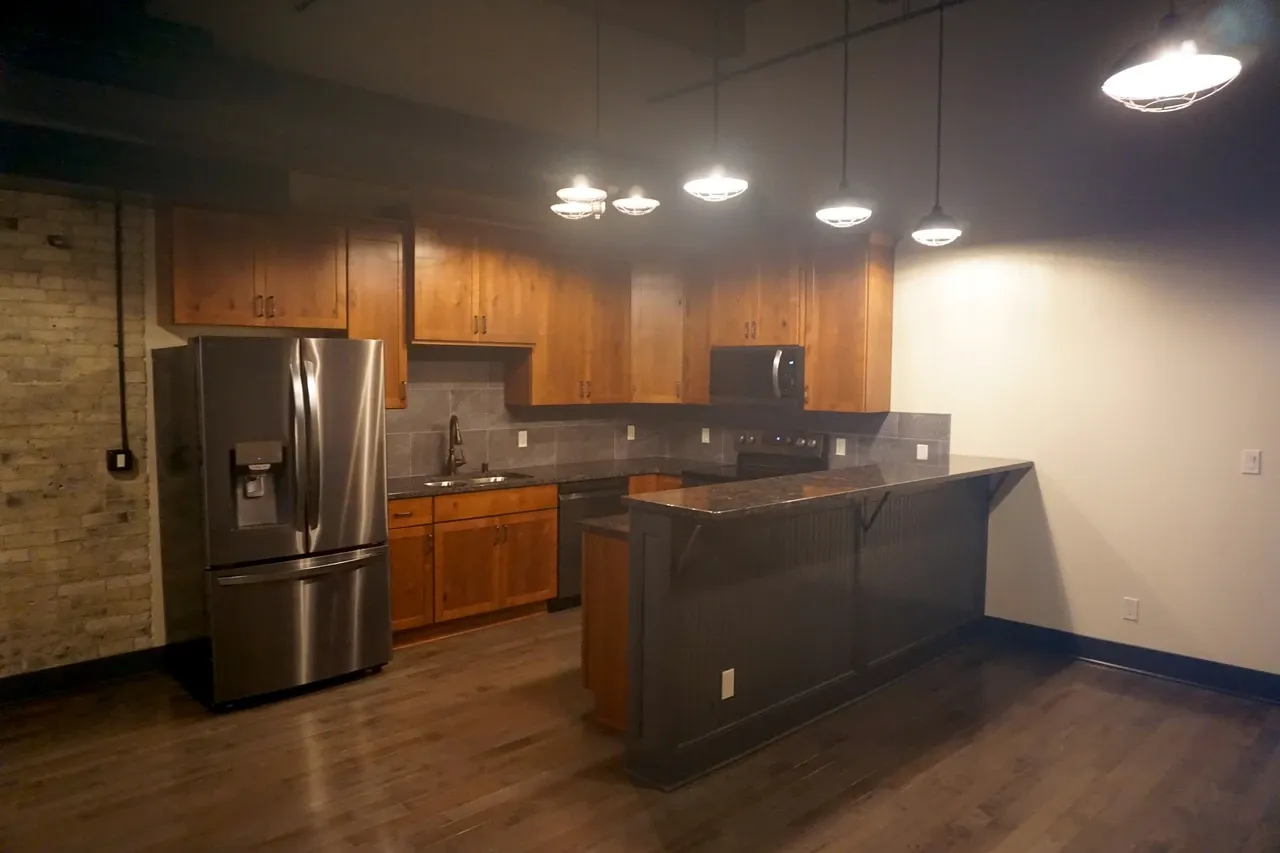
Repeat a useful angle from the first visit when you need to compare the same feature, and add a wider view if the original image lacked context. Label the room, feature and date. A close-up of a mark is difficult to interpret without knowing which wall it belongs to. Keep the original files and avoid editing an image in a way that could obscure the condition you are trying to record.
Photograph only with permission and avoid capturing other people's private belongings or identifying information unnecessarily. Where a question cannot be shown clearly in a still image, write a short factual note. The goal is an intelligible record, not the largest possible photo collection. Store promotional photographs separately so they cannot be mistaken for your own observations during the second visit.
Record explanations and their limits
When someone answers a question, record who provided the explanation and what it addressed. Distinguish a statement based on a document from a personal recollection or an expectation about the future. Ask for the relevant record when it is needed. If an answer differs from what you were told previously, write down the discrepancy and request clarification rather than choosing the version you prefer.
A professional assessment should also have a defined scope. Ask which parts of the property were examined and what could not be inspected. RICS Home Surveys provides general context for the role of condition assessment; it does not establish Syrian legal requirements. Keep the actual instructions and findings of your local professional with the property record, and ask about any terms or limitations you do not understand.
Compare the result with your original brief
After the visit, return to your requirements before discussing an overall impression. Mark each relevant requirement as supported by the new information, still uncertain or apparently not met. Explain the reason in a sentence. A useful second viewing can result in setting a property aside; it does not need to strengthen the case for proceeding to be worthwhile.
If the evidence changes your priorities, update the property brief deliberately and apply the revision to every option. Avoid making an exception for one attractive property without discussing the practical consequence. This is especially important when several people are deciding together and each attended the viewing with a different concern.
End with actions rather than an impression
Close the second-viewing record with the questions answered, questions still open and the next action for each unresolved item. Name the person or type of professional who should provide the answer, and retain a space for the date it arrives. An action might be a document request or a focused review rather than another visit. Do not set an arbitrary deadline that turns missing evidence into an assumption.
Return to the viewing collection for related preparation tools. Keep the first and second visit records together, with the property reference visible on both. The result is a concise history of what you have learned, what you have been told and what still needs checking before the next decision.
Continue your research

Reading Building Meeting Minutes Before Buying an Apartment
Read building meeting minutes before buying an apartment in Syria, tracing proposals, recorded decisions, missing attachments and unanswered purchase questions.
Read more
Checking Household Waste Arrangements Before Buying an Apartment
Check an apartment’s household waste route, storage, collection point and stated responsibilities before buying, with clear questions for missing arrangements.
Read moreSources & review
Last reviewed:
PUT YOUR RESEARCH TO WORK
Start with a place.
Explore Syria’s cities and narrow your property search.