Blog
Storage Space: The Detail Buyers Often Miss
Assess apartment storage before buying: trace daily routines, measure usable wall space and distinguish included cupboards from furniture or alterations still needed.
In this article
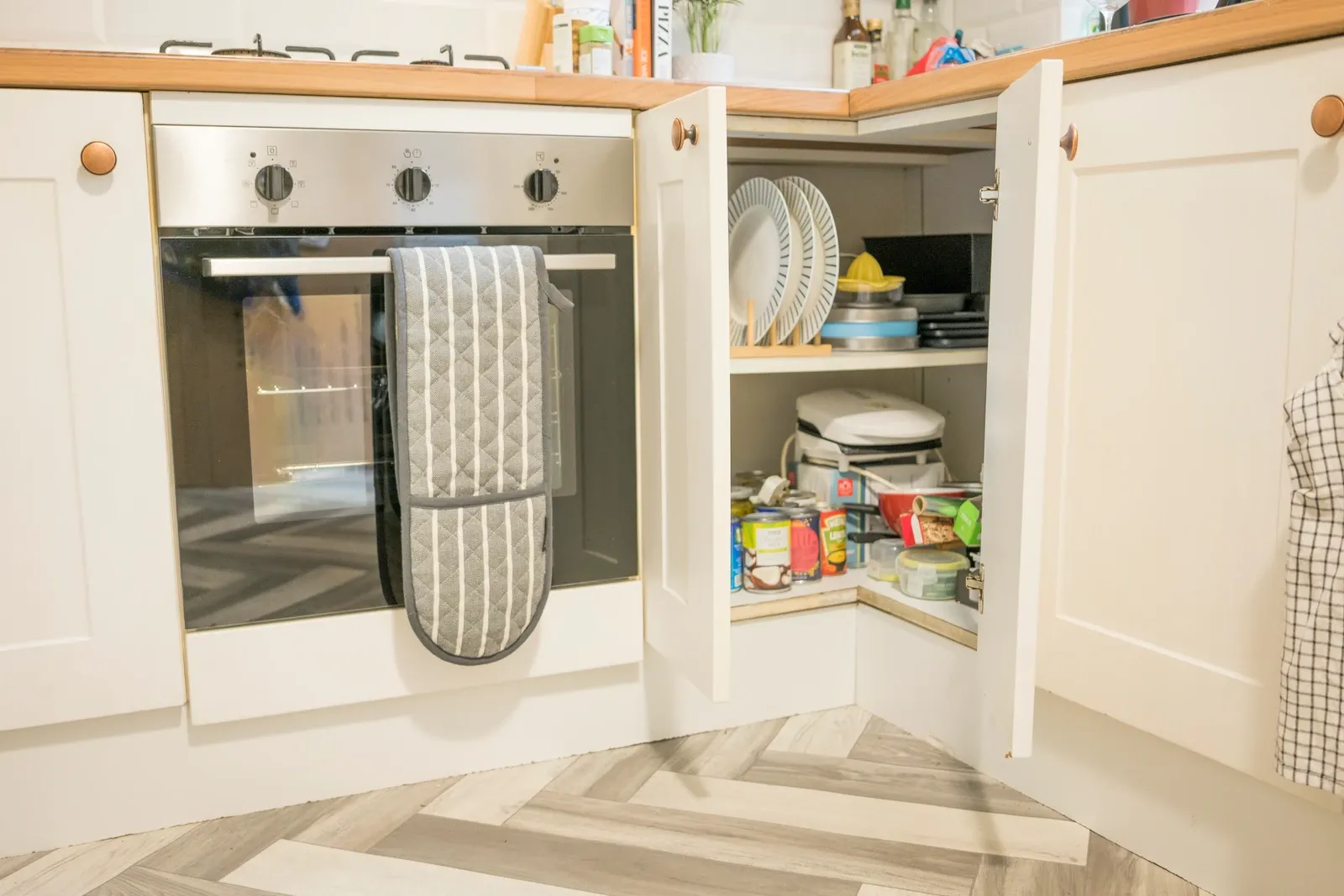
An empty room can look generous because nothing has yet claimed its floor or wall space. Once coats, bedding, cleaning equipment and luggage arrive, that impression can change quickly. Storage is part of whether an apartment works, not an accessory to consider after a purchase. When comparing homes in Syria, give belongings real locations on the plan and test whether those locations remain usable alongside ordinary movement and furniture.
A household does not need an elaborate inventory to begin. List the things used every day, the things needed each season and the items that are large but infrequently used. The aim is not to fit every possession into a formula. It is to discover whether a proposed home has sensible places for the objects that make daily life possible, and to identify the extra furniture or work that would be needed if it does not.
Start at the entrance
Imagine arriving with shopping, a bag and keys while another person is leaving. Where can you set things down? Is there space for shoes and coats without narrowing the route through the door? An entrance can be visually attractive and still create a recurring pile on the floor because no practical storage point exists. Note the available wall length, the swing of the door and access to any nearby cupboard.
If the apartment lacks a defined hall, consider whether furniture can create an arrival zone without blocking light or movement. A shallow shelf may be enough for small items, while bulky coats need a different solution. Do not assume an illustrated console or built-in cupboard is included in the sale. Confirm what is installed and what belongs only to the staging or marketing drawing.
Give everyday items the shortest reasonable route
Storage works best when it connects to use. Cleaning equipment kept far from a water source may be awkward; daily dishes stored away from preparation space may create needless movement. A household's habits determine the sensible arrangement. Walk through a normal day and note the items reached for repeatedly. Then test whether each has a plausible place in the actual kitchen, bathroom, bedrooms or hall.
This exercise often reveals more than a count of cupboards. A cabinet can have many doors but shelves too shallow for what you own. A bedroom wardrobe may appear large until the door swing conflicts with a bed. Make a short list of the dimensions that matter, then check them at a viewing. Avoid inferring capacity from a photograph taken with a wide lens.
Distinguish floor area from usable wall space
A room's published area says little about where storage furniture can stand. Windows, radiators, doors and irregular corners can interrupt the walls needed for a wardrobe or bookcase. Trace uninterrupted wall lengths on the plan, but verify them in the room. Include skirting, sockets and fixed fittings in your notes where they affect a proposed item.
Leave space to open drawers and doors and to move around them. A cupboard that fits within a measured footprint may still be difficult to use once its doors are open. If a storage unit would make a corridor narrow or obstruct an essential route, it has solved one problem by creating another. Test the arrangement with furniture dimensions rather than a small symbol drawn on a plan.
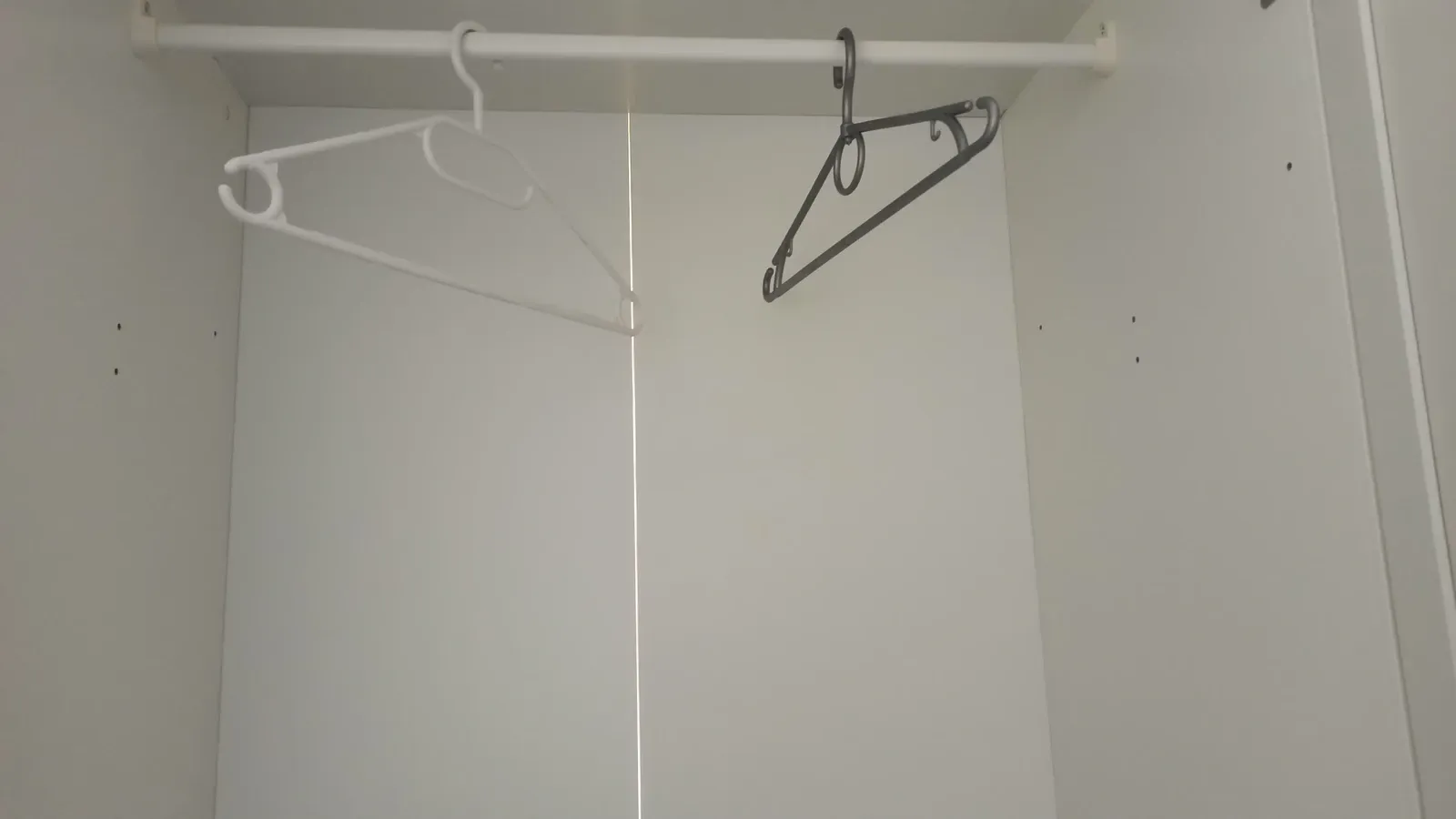

Look at the kitchen as a working system
Count what needs storage near food preparation: cookware, dry goods, dishes, cleaning materials and any appliances not permanently left on a counter. Check whether the cabinet interiors are visible and whether their shelves can be adjusted. Ask what equipment is included. A kitchen photographed with clear counters may have hidden everyday items elsewhere; the image does not establish practical capacity.
Pay attention to the routes between storage, preparation, cooking and washing. If an added freestanding cabinet is your solution, locate it on the plan and account for its depth. Do not assume that an apparent void can safely be converted into built-in storage. Technical changes to walls, plumbing or ventilation require appropriate advice, and any permission question must be checked for the specific property.
Give seasonal and bulky items a named place
Luggage, spare bedding and seasonal clothing are easy to forget because they are not used every day. Mark each group on a sketch. Check whether a high shelf, under-bed space or separate cupboard would work for the people who need to reach it. A solution that depends on frequent lifting to a difficult height may be impractical even if its volume looks sufficient.
Ask whether any external store, roof space or shared area is actually attached to the property and what use rights apply. An informal explanation or a photograph of a shared room should not be treated as proof that the buyer can use it. Record the claim and seek a review of the relevant property documents from an appropriate local professional. Keep storage inside the apartment separate from space whose availability remains unconfirmed.
Check bathroom and laundry realities
Bathrooms may need places for towels, toiletries and cleaning products. If washing or drying clothes happens inside the apartment, identify where equipment, supplies and temporary drying space can go. These activities take more space than a floor-plan label suggests. Notice whether added storage would block a window, door or access to fixtures.
Moisture and ventilation are condition questions, not a reason to diagnose a building from a photograph. If surfaces or cupboards show stains or persistent odour during a viewing, describe what you observed and ask for a suitable inspection. The RICS consumer guide to home surveys explains the role of a professional condition report in its UK context; it does not set a rule for Syrian property transactions.
Separate included storage from planned spending
List built-in cupboards and fittings that you have confirmed are part of the home. Put freestanding furniture, fitted cabinetry and any proposed alteration in a separate column with their estimated dimensions and unresolved costs. This prevents a beautifully staged apartment from appearing to offer more than it does. It also shows whether the home meets essential needs today or only after work and additional spending.
A storage plan can be modest and still effective. The useful test is whether everyday items have accessible places without crowding the rooms the household wants to use. Pair this article with What Makes an Apartment Layout Easy to Live In, then use the property viewing checklist to record the measurements you need. The Syria property search can provide a shortlist, but only a property-specific inspection can confirm the dimensions and fittings you plan to rely on.
Continue your research
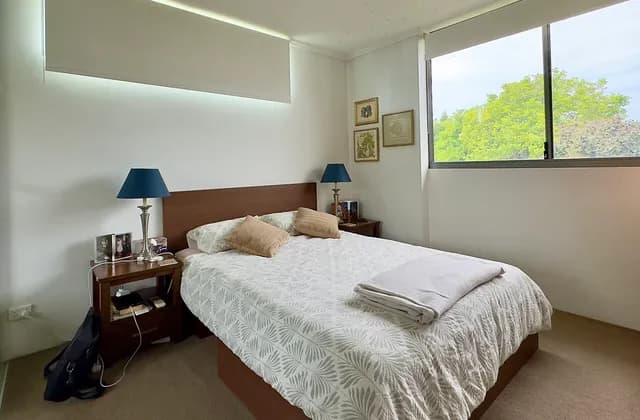
Comparing Window Privacy During a Property Viewing
Compare window privacy during a property viewing by checking room positions, curtains, blinds, daytime and evening conditions, and what the sale includes.
Read more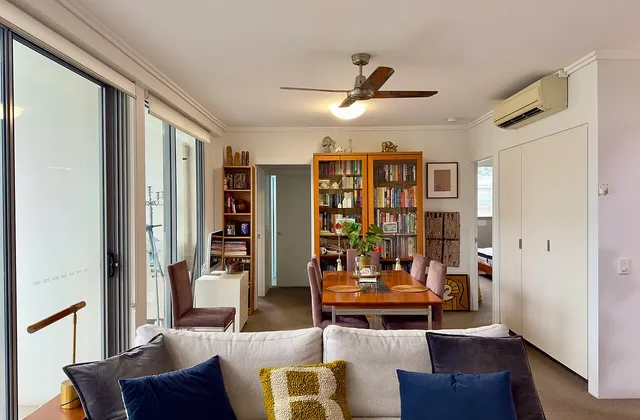
Comparing Dining Space During a Property Viewing
Compare dining space during a property viewing by checking occupied chairs, doors, storage and serving routes for everyday meals and occasional guests.
Read moreSources & review
Last reviewed:
PUT YOUR RESEARCH TO WORK
Start with a place.
Explore Syria’s cities and narrow your property search.