Blog
Parking and Building Access: Small Details with Daily Impact
Review parking claims, entrance routes, shared equipment and moving access with questions about the exact Syrian home and your household needs.
In this article
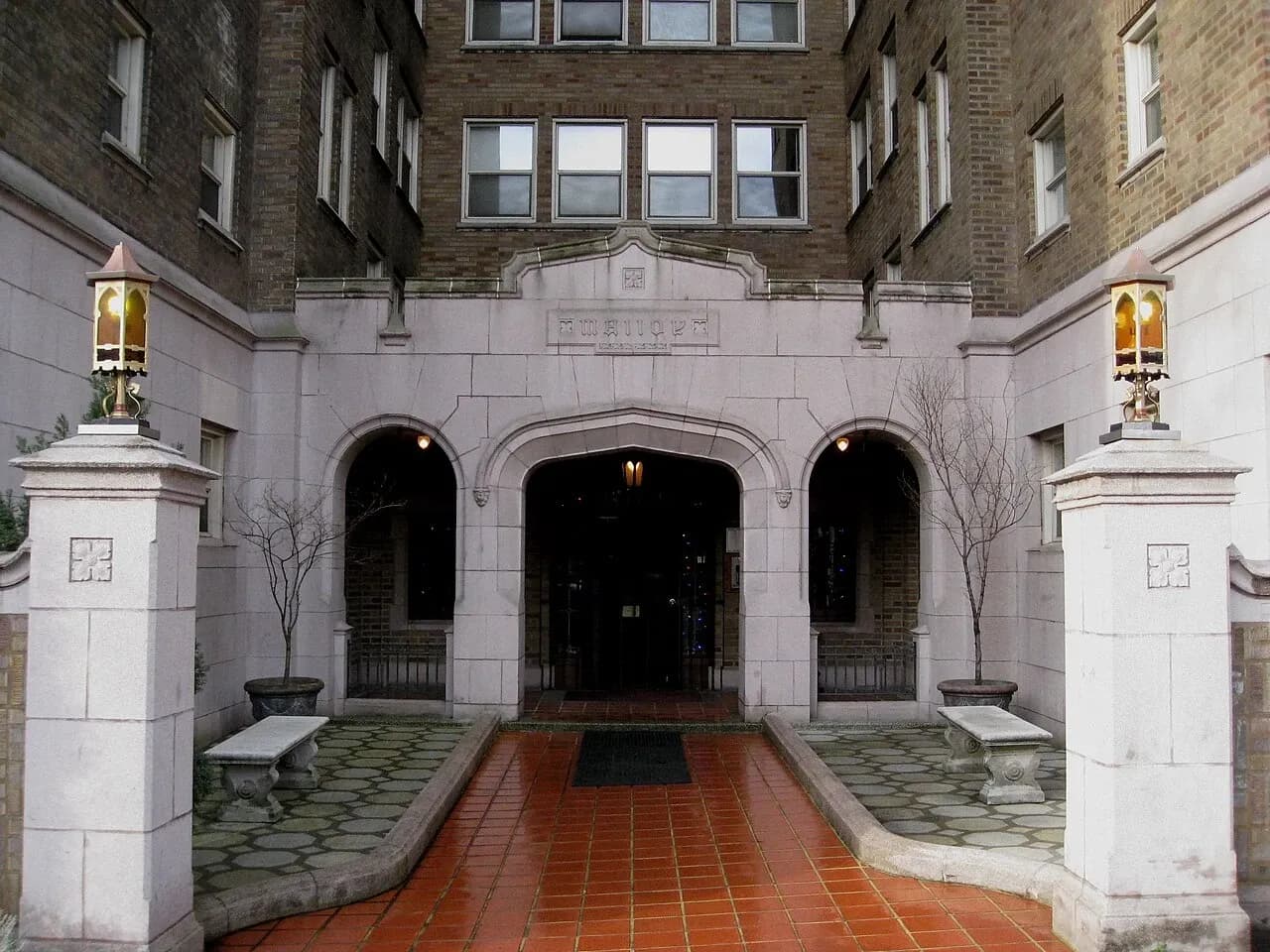

An apartment may look convenient until you imagine arriving with shopping, helping someone through the entrance or carrying a suitcase upstairs. The distance between a car and the front door, the shape of a stair landing and the way a shared gate opens can affect an ordinary day more than a decorative feature inside the home. During a Syrian property search, give these details their own place in your comparison.
Start with the route you would actually use. A photograph of an entrance or an empty parking space is only one moment. Ask what was shown, which arrangements are claimed and which questions need a separate legal or technical review. The aim is a clear record of daily use, not a promise that access will always be easy.
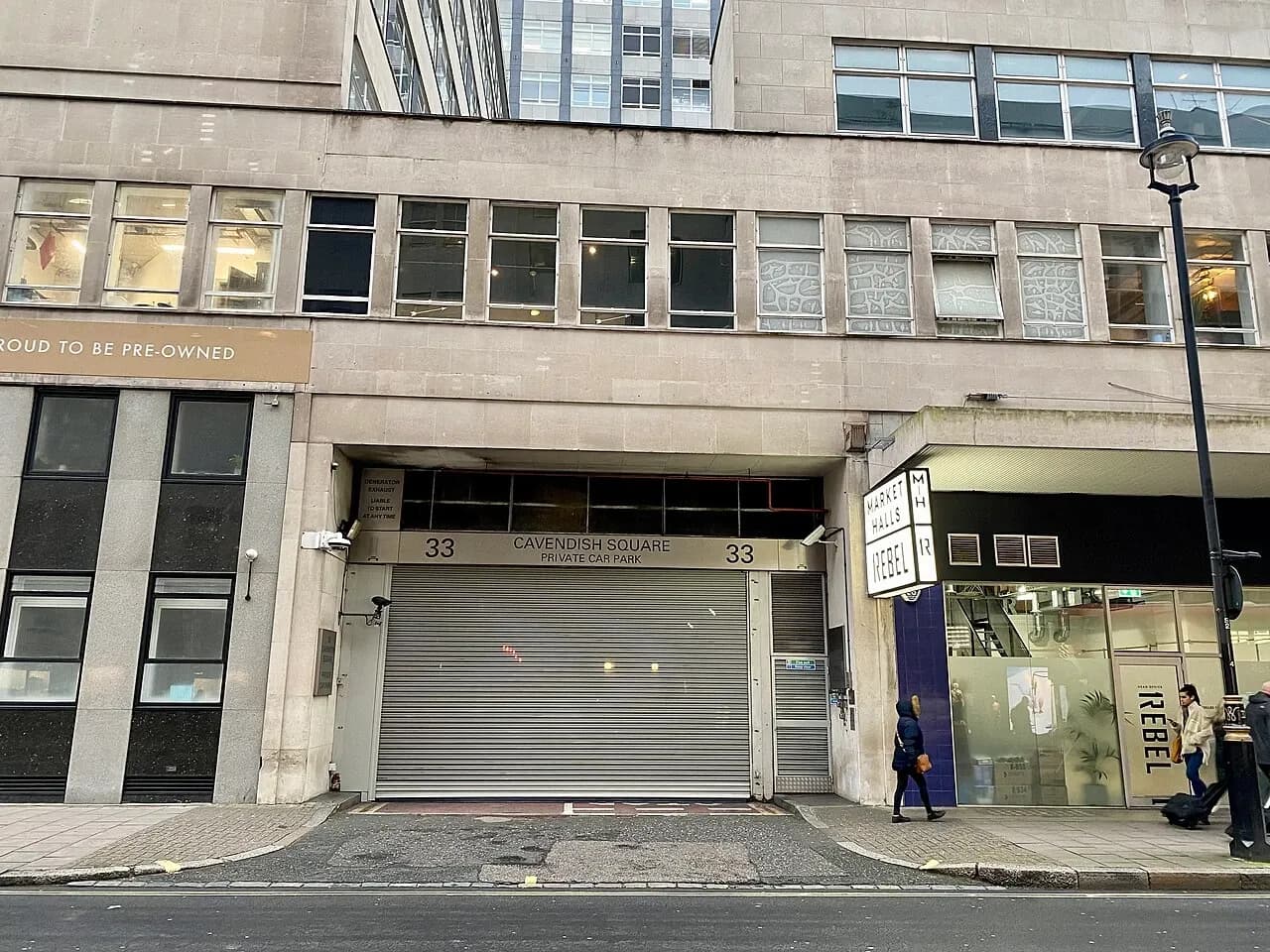
The photographs show a dated apartment entrance in Seattle and a closed private parking entrance at 33 Cavendish Square in London. They are illustrative examples outside Syria. The first makes the approach and doorway visible; the second shows why a gate labelled as parking still leaves questions about permission, arrangements and use.
Walk the whole arrival route in your notes
Record where a visitor or resident would arrive, how they would reach the building and how they would continue to the unit. If there are different entrances, identify which one serves the home being considered. A camera starting at the apartment door leaves the approach unexplored.
Notice changes in level, doorways, gates, corners and places where two people may need to pass. Ask about access at different times and whether another person must open a shared entrance. Record answers with their source rather than treating a demonstrated entry as a permanent arrangement.
Use the handbook on shared areas in an apartment building to extend the viewing beyond the unit. With permission and where safe, include a photograph of each transition and a view that shows how it connects to the next part of the route. Do not film neighbours or identifying personal details to make the record feel complete.
If you are watching remotely, ask the person showing the home to describe what lies outside the frame. A narrow corridor may be difficult to understand on video. Dimensions that matter need an appropriate measurement or plan, not an estimate based on a passing camera.
Find out what “parking included” actually means
Keep the listing's original wording. Ask whether the claim refers to a named space, a shared area, access to a garage or the possibility of finding a place nearby. Those descriptions answer different questions. An unoccupied bay seen during a viewing does not establish that it belongs to the apartment or will be available later.
Request the document or arrangement the seller relies on and identify the precise space, if one is claimed. Have the relevant rights and obligations reviewed independently. Do not infer entitlement from a painted number, a key, a verbal promise or another resident's habit of parking there.
Ask about any stated charges, access devices, allocation arrangements and limitations. Note the currency and date of a quoted amount and who supplied it. If the information is unclear, leave a visible gap in the budget rather than assigning a convenient figure yourself.
For a fictional example, Home A is advertised with a “parking space” but only a street photograph is supplied. Home B has a labelled garage bay and a document offered for review. This does not prove Home B's legal position. It tells you that the two parking claims currently have different evidence behind them.
Test the route against your household's needs
Describe ordinary tasks: arriving with children, using a walking aid, carrying groceries, moving a bicycle or taking delivery of a large appliance. Ask which features would make those tasks easier and which would require assistance. Avoid making assumptions about what another member of your household can comfortably manage.
OHCHR's adequate-housing explanation includes accessibility among the global considerations for adequate housing. This is a general framework, not a statement about a particular Syrian home's compliance. Your own access needs still require examination of the actual route and relevant professional advice.
If a particular opening or turn matters, identify it before requesting a measurement. A doorway's nominal width may not describe the space available when its door is open or furniture is nearby. Do not publish or assume an accessibility rating from your own photographs.
Where a household member wishes to assess the route, arrange an appropriate, permitted review rather than substituting your impression. Nobody should be asked to attempt an unsafe manoeuvre to demonstrate that access is possible.

Ask about lifts, gates and interruptions
If a lift is present, record what you observed and ask about the arrangements for maintenance, faults and access during an interruption. Watching it run once does not establish reliability or safety. Leave equipment assessment to a suitably qualified person.
Consider the alternative route. Which stairs would residents use, where are the landings and what doors lie along the way? For someone who cannot use that route, an unresolved lift question may be central to the property decision. It deserves a clear answer and a defined review, even when the apartment itself appears suitable.
For powered gates or other equipment, ask how access is handled when normal operation is unavailable. Do not request a forced opening, bypass or demonstration involving exposed equipment. Keep supply and operating questions separate from assumptions about the neighbourhood; the water and electricity viewing questions help frame enquiries for the exact building.
Plan the practicalities of moving in
Large items need a route of their own. Ask how a bed, sofa or refrigerator would reach the home, including the entrance turn, stairs and apartment doorway. An existing large sofa does not tell you whether it arrived assembled, was lifted through another opening or can be removed easily.
Check the source of any rule or permission said to apply to deliveries and moving work. Record who would arrange access and whether advance coordination is needed. Have proposed work and any claimed right to use shared spaces reviewed as appropriate; do not assume a similar move elsewhere creates permission here.
Keep these questions on your viewing checklist. They are easy to forget when a home feels welcoming and everyone wants to finish the appointment.
Give access a clear outcome in the comparison
After the viewing, write a few sentences describing the full route, the parking claim, the evidence received and the remaining questions. Distinguish an inconvenience you understand from an unresolved issue that could prevent everyday use.
You might be comfortable with a longer walk from a verified space. You might decide a doorway or reliance on particular equipment needs further assessment. Both are useful conclusions when the reasons are recorded. Access should influence the shortlist through facts about your household and the exact building, rather than through a reassuring photograph of an open door.
Continue your research

Comparing Property Marketing Proposals Before Selling
Compare property marketing proposals by checking listing preparation, advertising placements, enquiry handling, viewing attendance and the work left to you.
Read more
Comparing Cleaning Quotes Before a Property Handover
Compare cleaning quotes before a property handover by checking rooms, cupboard interiors, furniture, preparation, timing and the tasks included in each offer.
Read moreSources & review
Last reviewed:
PUT YOUR RESEARCH TO WORK
Start with a place.
Explore Syria’s cities and narrow your property search.