Blog
Market Research
Property market research begins with a clear record of what you know and how you know it. This subcategory helps readers turn scattered listings, messages and reports into a useful comparison. The focus is practical: preserve original information, define the…
Read more
terms being compared and make uncertainty visible. When researching property in Syria, these habits help you ask more specific questions without presenting incomplete information as a reliable description of an entire market.
Choose a research question before opening a spreadsheet. You might be comparing apartments within an agreed area, checking the information available about a shortlist or trying to understand a claim in a market report. Each task needs a different selection of evidence. Write down the location, property type, time period and intended use. Keep that statement at the top of your notes so that interesting but unrelated information does not gradually change the purpose of the exercise.
For every listing you keep, record a stable reference and its source. Save the URL where available, the date you saw the information and enough identifying detail to recognise the same property elsewhere. A screenshot may help preserve what was displayed, but retain the accompanying text and date as well. If an advertisement is updated, add a new dated record rather than silently replacing the old one. The sequence can explain a change in your understanding without implying that every advertised change reflects a completed transaction.
Asking prices deserve a clearly labelled column. They describe amounts being requested, subject to the information and terms supplied with the advertisement. They are not interchangeable with evidence of a completed sale. If you encounter another kind of figure, identify it separately: an estimate, a proposed offer, an attributed transaction amount or a formal valuation. These distinctions matter because an average does not change the nature of the values used to calculate it. An average of asking prices remains an asking-price comparison.
Keep original currencies and measurements intact. You can add working conversions in separate columns, but record the method and date used. Ask what an advertised area includes before calculating a price per square metre. If two area figures have different definitions, a shared unit does not make them comparable. The useful outcome of the exercise may be a list of questions about the data rather than a ranking of properties. That is progress: the comparison has revealed exactly what needs clarification.
Use a consistent set of status labels. For example, you might distinguish information supplied in a listing, information confirmed through a dated response, information still needing a document and information that requires professional assessment. Explain the labels in a short key. Avoid a single green tick that seems to approve every aspect of a property when it only means that someone replied to a question. A clear label should describe the evidence available, not imply a wider conclusion than the record supports.
When reading a report, look for its scope before its headline. Identify the geographic area covered, the property types included and the period being measured. Then ask how the information was collected and whether the report explains important exclusions. A city-level observation may not answer a neighbourhood question. A report based on one kind of listing may not describe another kind of property. Write a short note about what the source can help you understand and what remains outside its stated scope.
Treat missing information as part of the result. A blank repair-cost field does not mean that no repairs are needed, and an unanswered question about a measurement does not confirm the advertised figure. Choose a visible way to mark unknowns and give each important one a next action. Some questions can be answered by a better photograph or a written clarification. Others require an appropriate adviser, an inspection or documentary review. The research record should make that difference easy to see.
Manage duplicates before interpreting patterns. The same property can appear in several advertisements or be shared repeatedly in message threads. Keep those sources together under one property reference unless evidence establishes that they concern different units. Duplicate entries can distort a shortlist and create a misleading impression of how much independent information you have collected. Where identification remains uncertain, record that uncertainty instead of forcing a match or counting every advertisement as a separate property.
Review the record at a sensible interval and keep changes explainable. A shortlist may change because your requirements changed, because a property no longer meets an essential criterion or because new information resolved an open question. Write the reason beside the date. This helps distinguish a change in the evidence from a change in personal preference. It also makes collaboration easier when relatives, representatives or advisers are working from the same set of notes.
The articles below develop these methods through specific tasks: separating asking prices from sale evidence, building a comparison sheet and reading market statements with appropriate care. Use them to improve the quality of an enquiry, not to bypass property-specific checks. Return to the Syrian Property Market category for the wider editorial context, use About Syria when the question concerns a place, and use the Investment Handbook when the next step concerns preparation or review. A useful research process finishes with clearer questions and a record another person can understand.


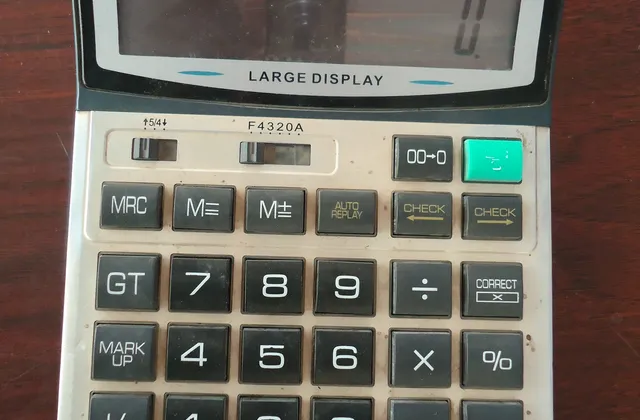
How to Keep a Useful Property Price Comparison Sheet
Build a property comparison sheet with dated sources, original currencies, defined measurements and clear labels for facts, estimates and unknowns.
Read more
Why Asking Prices Are Not the Same as Completed Sale Prices
Understand why advertised asking prices differ from completed sale evidence, and how to keep that distinction clear when comparing property in Syria.
Read more
Why the Date of a Property Listing Matters
Track listing, photograph and confirmation dates in a Syrian property search to distinguish saved advertisements from recently checked terms.
Read more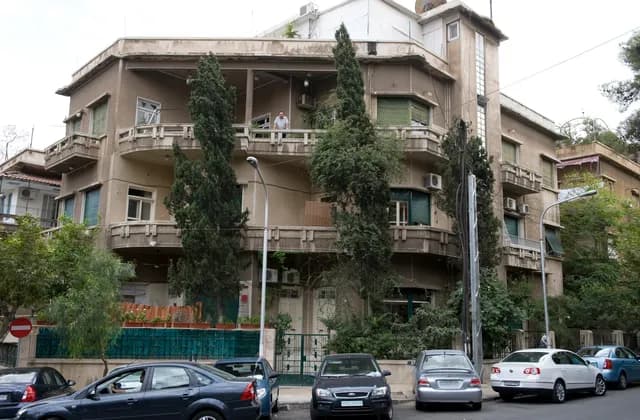
What Makes Two Property Listings Truly Comparable
Compare Syrian property listings by clarifying identity, area definitions, condition and quoted terms, keeping differences and open questions visible.
Read more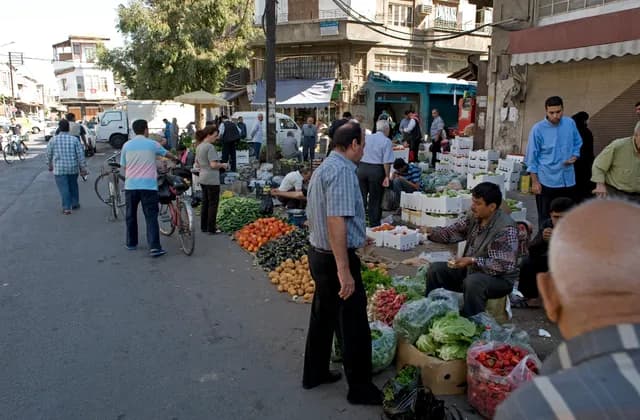
Reading a Property Market Report Without Overinterpreting It
Read a property market report by checking its source, geography, dates and methods before applying a broad headline to an individual home search in Syria.
Read more