About Syria
Seasonal Comfort: Questions to Ask When Viewing a Home
Ask useful questions about sunlight, shading, windows and equipment at a Syrian home viewing, separating observations from untested seasonal comfort claims.
In this article
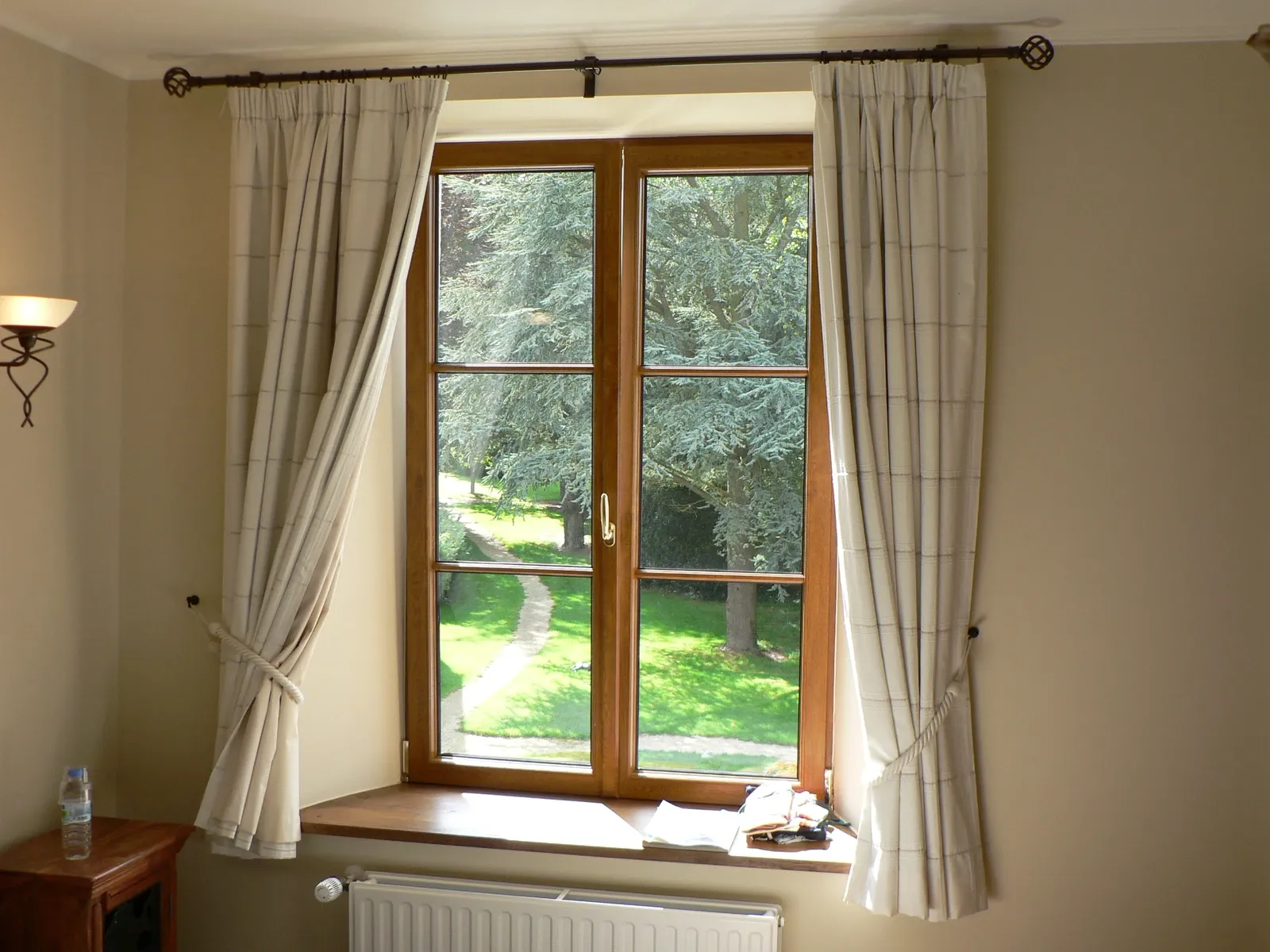

A comfortable room on one viewing day does not tell you how the home behaves through the year. Start by recording what you experience during the visit, then ask which building features, equipment and operating arrangements influence the rooms in other conditions. The aim is to identify questions worth assessing before choosing a home, rather than predicting comfort from a sunny photograph.
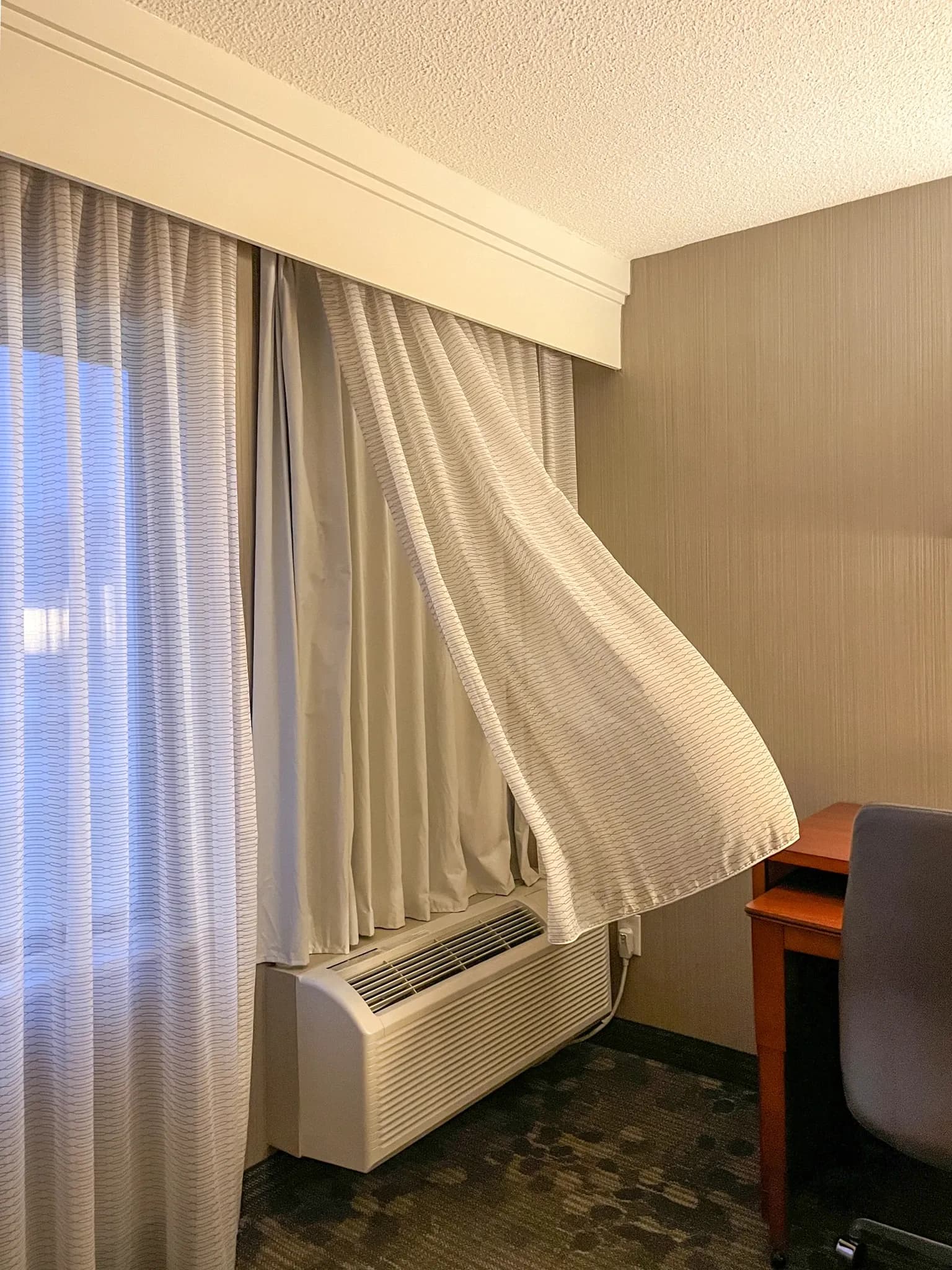
This is a viewing guide for a potential home in Syria, not a regional climate forecast or an energy assessment. The two photographs are real illustrative interiors outside Syria: a curtained window in Tellin, Belgium, and a hotel-room curtain beside an air conditioner in Westborough, Massachusetts. They illustrate visible features; they do not represent Syrian listings or measured performance.
Make the observation repeatable
Note the date, approximate time and the rooms you entered. Record whether windows were open, curtains drawn and any heating or cooling equipment operating, if those facts can be confirmed. Do not infer hidden equipment settings or a room temperature from how a photograph looks. Your immediate impression should remain distinct from information supplied by the host.
If several people are choosing the home, discuss what each person means by comfortable. A room used briefly in the afternoon is not the same requirement as a bedroom occupied overnight or a work space used for hours. Put the intended activities into the property brief so that the viewing has a clear purpose.
An observation such as direct sunlight reaches the desk area at this viewing time is specific and useful. A statement such as this apartment is comfortable all year is much broader and needs evidence the visit cannot supply. Keep that difference explicit in the notes.
Follow the sunlight without assuming its effect
Identify the relevant windows, surrounding obstructions and shading features visible from permitted positions. Ask about the rooms at other times of day and in other seasons. Do not climb onto roofs or lean from windows to investigate orientation. Plans and a competent assessment may be more useful than trying to settle everything during a short visit.
The US Department of Energy's Natural Light and Daylighting guidance explains that window placement and shading affect light, glare and solar heat gain. These are general building principles, not a specification for a Syrian home. The right balance depends on the actual building, local conditions and intended use.
Ask which shades, shutters or curtains are included and how they operate. Distinguish a removable furnishing from a permanent feature. A curtain shown in a room photograph demonstrates its presence at that moment, but says little about glazing, insulation or the building's overall thermal behaviour.
Ask about openings and everyday operation
With permission, ask the host to demonstrate ordinary window and door operation where safe. Observe the parts you can see, including handles and frames, without dismantling fittings or diagnosing hidden defects. If an opening sticks or an unexplained mark is present, record the location and ask for appropriate assessment rather than naming a cause.
Discuss how occupants normally use the rooms and what restrictions or practical limits apply. An opening may face a shared space or have privacy implications. An answer about one room should not be extended to the entire apartment. Keep ventilation questions separate from assurances about heat or damp that have not been independently examined.
The guide to natural light and privacy can help organise window-related observations. Check the exact building and room arrangement before assuming that an attractive frontage produces the interior conditions you want.

Identify equipment and responsibility
Ask what heating or cooling equipment is present, whether it is included, and who is responsible for its operation and maintenance. Request available service records and clarification about shared systems where relevant. A visible unit does not establish its capacity, working condition, energy use or suitability for every room.
A demonstration, if appropriate and safe, answers a limited question about the equipment at that time. It is not a substitute for inspection by a qualified person. Do not switch unfamiliar appliances on yourself, open panels or test electrical work during a viewing. Record any assessment needed before building a budget around the system.
Ask about the supply and operating arrangements the equipment depends on. Obtain address-specific information rather than assuming a district description answers the question. If the proposed plan involves new equipment or building alterations, discuss suitability, responsibilities and any required permissions with the relevant professionals before treating it as a simple solution.
Examine a different season as a scenario
Choose a few conditions that matter to the household and ask how the home is intended to support them. For example, how would the sleeping rooms be used on a warmer night? Where would frequently occupied rooms receive light on a shorter day? These questions organise enquiry without asserting the weather at a specific future date.
Ask the owner or representative for dated information about past use and work, then establish what can be independently checked. Do not treat a general claim such as thick walls keep it cool as a measured performance result. Material, construction, openings, shading and operation need to be considered together by an appropriate assessor.
Costs should come from current, relevant records or estimates with a clear basis. An old bill from a different household may not predict yours. Identify what the figure includes, which period it covers and the assumptions behind any proposed improvement. Keep unpriced questions visibly unpriced.
End with a short assessment agenda
Separate your final notes into observed features, reported history and questions requiring assessment. Name the room and feature concerned. That gives a professional a more useful starting point than a broad complaint about the apartment being too warm, cold or dark.
For an unresolved feature that matters to the decision, a focused second viewing can help gather better evidence if it is appropriate to arrange one. Confirm the exact question and the conditions needed before making another appointment.
You should finish with a clear description of how the home might fit your routines and which comfort assumptions remain untested. Choosing on that basis leaves room for informed assessment. It also prevents the pleasant atmosphere of one visit from becoming a promise about every season.
Continue your research

How to Check Local Services Before Relocating
Check local services before relocating in Syria by identifying providers, confirming current arrangements and researching usable connections from the home.
Read more
Planning a Commute Before Choosing a Neighbourhood
Plan a commute before choosing a Syrian neighbourhood by checking the whole journey, current connections and household commitments against the exact address.
Read moreSources & review
Last reviewed:
PUT YOUR RESEARCH TO WORK
Start with a place.
Explore Syria’s cities and narrow your property search.