About Syria
Hama: The Orontes and the City Landscape
Understand Hama through the Orontes, its waterwheels and dated city photographs, with clear distinctions between heritage records and property-specific evidence.
In this article
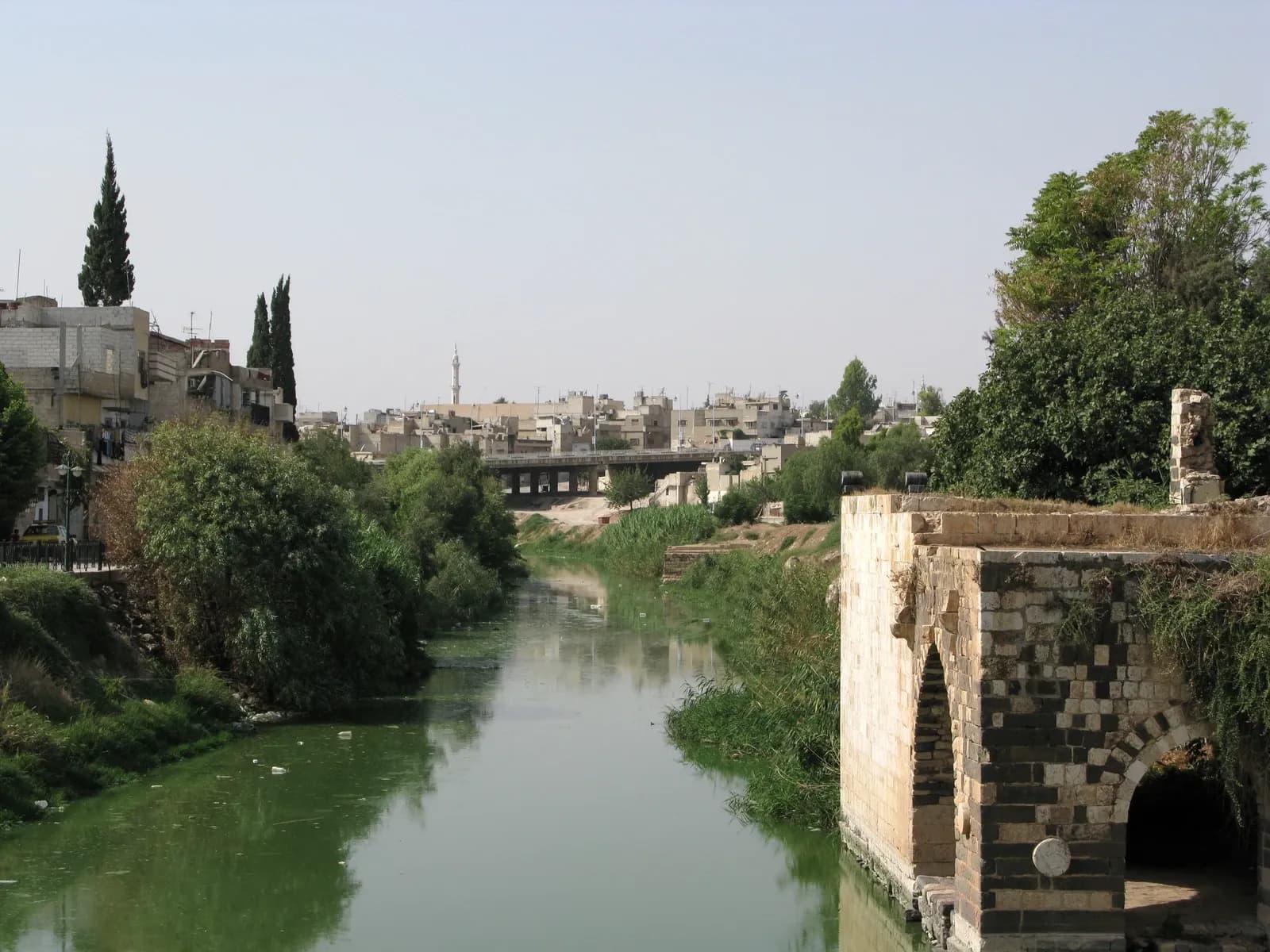

Hama is easiest to understand when you stop treating the river as the background to a landmark photograph. The Orontes gives the city a line to follow: between banks, across bridges, past stone structures and towards streets that continue beyond the frame. Its famous wooden waterwheels belong to that larger landscape. They are useful starting points for understanding Hama, but a picture of a wheel cannot stand in for the whole city.
This guide explains how to read that setting through heritage records and two dated photographs. It also offers a way to organise location research without confusing an attractive riverside view with evidence about a particular home. The photographs show Hama in 2008. They document their own moment; they do not show today's river conditions, street access or property availability.
Start with the river, then find the crossings
The National Museum of Denmark places Hama in central western Syria's Orontes Valley. Its Digital Hama project connects the city with a much longer history of settlement and archaeological research. That geographical starting point is more useful than imagining Hama as a single waterwheel and the buildings immediately around it. The museum's introduction provides a clear entry into the historical record.
On a map, trace the river before choosing places to compare. Mark the relevant crossing, the bank on which an address sits and the streets leading away from it. A home can be near the river in straight-line distance while its practical approach follows another route. A photograph may include a bridge without showing the entrance to the building you are researching.
Record the address separately from the scene: street name, building entrance, nearest identifiable junction and map pin. If two descriptions disagree, retain both until somebody can resolve the discrepancy. A broad geographical label should help you find the right place, rather than become a substitute for finding it.
What a noria adds to the landscape
A noria is a water-lifting wheel. The historical description submitted to UNESCO explains the mechanism: wooden containers collect river water as the wheel turns and discharge it into a receiving structure above. The important relationship is between the wheel, water and distribution system, rather than the circular outline alone. Stonework beside the river may therefore be part of the story worth investigating, even when it attracts less attention than the wheel.
UNESCO's Noréas de Hama record is on Syria's Tentative List, submitted in 1999. That is a proposed heritage entry, not an inscription on the World Heritage List. The distinction matters when a caption or property advertisement uses the word UNESCO loosely. It also matters when reading the entry's descriptions of operating wheels: an older nomination account does not establish what is functioning now.
Use the record to understand historical purpose. Seek separate, dated evidence for present appearance or operation. Neither a heritage description nor a landmark name verifies the rights, condition or permissions of a neighbouring property.
Read the two photographs at different scales
Vyacheslav Argenberg's August 2008 river photograph shows a low crossing in the distance, vegetation along the banks and substantial stonework in the foreground. Ordinary building fronts remain visible behind the river. It offers a quieter view than the familiar close-up of a wheel, and helps show why Hama's urban landscape deserves attention beyond a single monument.
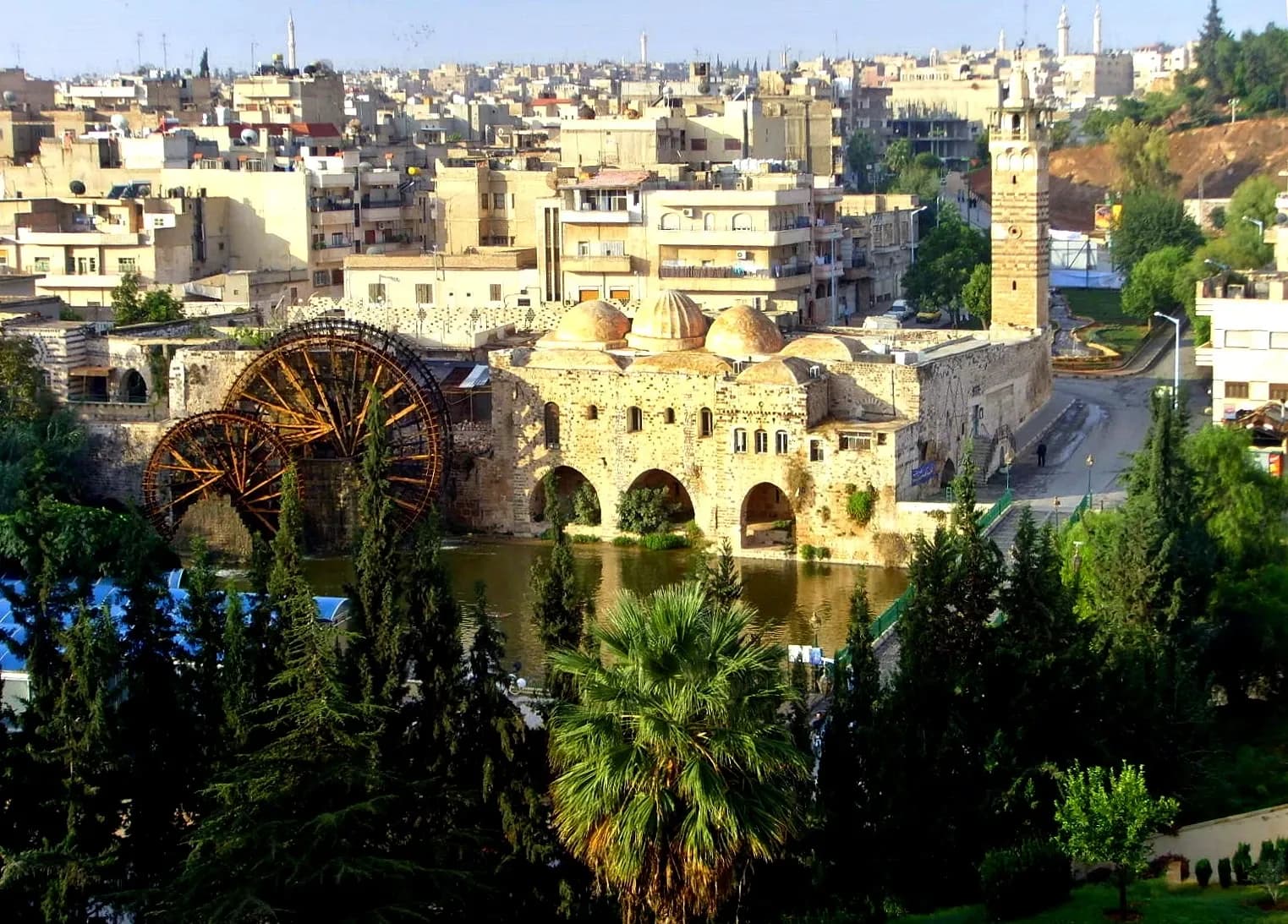
Effi Schweizer's October 2008 photograph brings a wooden wheel, adjoining historic architecture and surrounding urban blocks into one elevated view. Notice how the scene changes with the camera position. Buildings that occupy the background here could become the entire subject from another street. The image is useful for relating features to one another, without proving a measured distance or a named apartment's outlook.
Ask three questions of either picture. Where was the camera? What does the frame leave out? What does its date allow it to establish? Those questions make archive photography informative rather than merely decorative. They also prevent a distant roof, a patch of vegetation or a visible road from becoming an unsupported claim about a home.

Hama has more than one historical layer
Digital Hama draws on a Danish excavation project conducted between 1931 and 1938. Its material includes excavation documentation and records of the expedition's surroundings. This is a different kind of evidence from a holiday photograph: it can help explain how a place was studied and what researchers recorded at a particular time.
When browsing an archive, preserve the caption alongside the image. An excavation mound, an expedition house and a city panorama answer different questions. Avoid assembling them into an apparently continuous walk through present-day Hama. A date and a viewpoint are part of the meaning of each item.
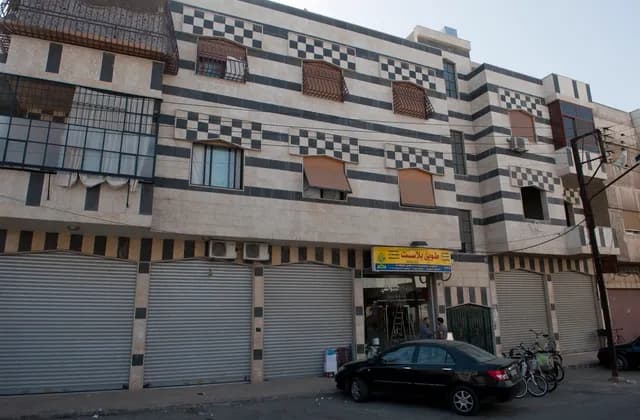
For a broader regional comparison, the Homs city guide looks at ordinary building facades and the limits of city-scale research. Reading the two places together can sharpen your questions about streets and buildings, without turning either city into a ranking of neighbourhoods.
Turn an appealing view into specific questions
If a river outlook is important to your search, describe the requirement precisely. Is the view needed from the living room, from a balcony or only from the surrounding street? Is the priority an open outlook, daylight, privacy or convenient access? These are different needs, and a wide photograph cannot answer them all.
Start with a written property brief. Then request dated images from the actual windows and a clear explanation of the entrance route. Keep a claimed view separate from a confirmed view. Ask a qualified adviser to investigate any building-specific condition questions; a river photograph supplies no flood assessment or engineering conclusion.
The article on what photographs cannot show about natural light is useful here. A bright riverside scene does not tell you how a room feels at another hour, or whether nearby buildings obstruct its windows.
A useful Hama research note
Finish with a short note that separates historical context, observed location and unresolved questions. Include the source dates, the address you are investigating and the evidence still needed. Leave room to revise it when a clearer map, a newer photograph or an independent assessment arrives.
Hama's river and waterwheels reward careful looking. The most useful outcome is an understanding of their place in the city, accompanied by an honest record of what the available evidence can show. That makes both cultural reading and practical location research more grounded.
Continue your research
Homs: A City Guide for First-Time Property Researchers
Explore Homs through its streets, dated architecture photographs and urban research, then build an address-specific brief before comparing potential homes.
Read more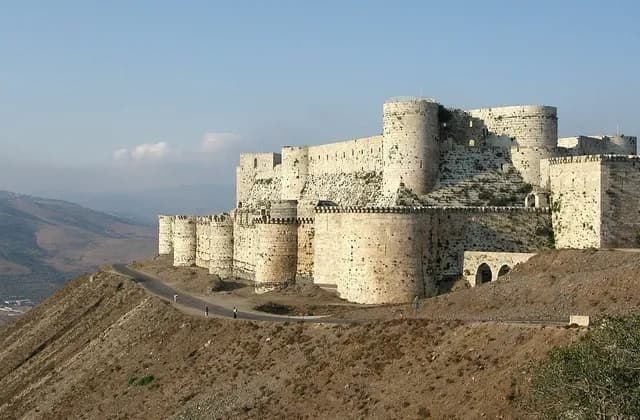
Homs Governorate: Separating City and Regional Research
Separate Homs city from governorate research with clear place names, dated regional photographs and practical ways to check the scope of your sources.
Read moreSources & review
Last reviewed:
PUT YOUR RESEARCH TO WORK
Start with a place.
Explore Syria’s cities and narrow your property search.