Investment Handbook
Turning a Property Inspection Report into Follow-up Questions
Read a property inspection report in Syria with specific follow-up questions covering observations, access limits, further investigations and written clarifications.
In this article
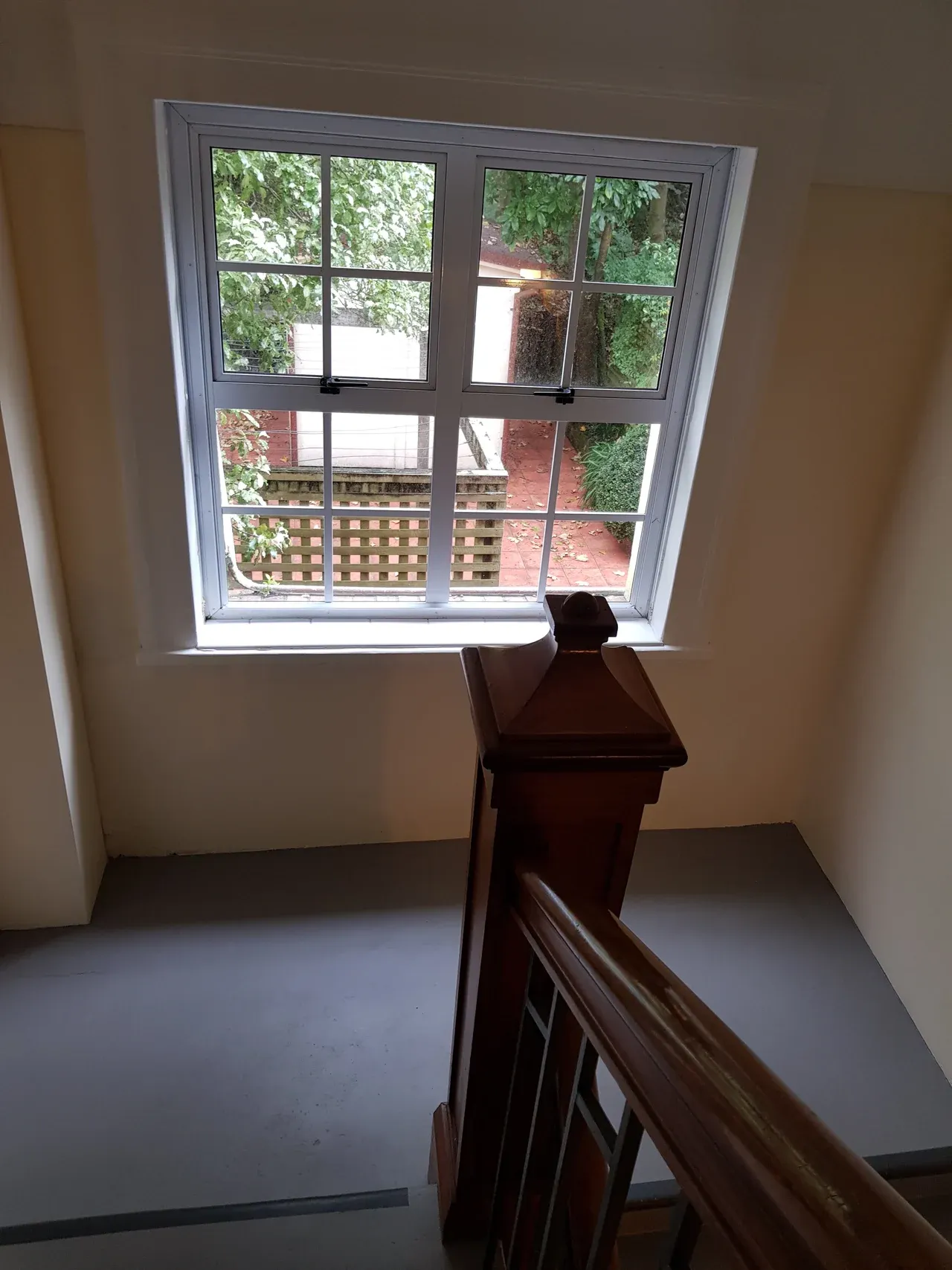

A property inspection report may contain observations, limitations and recommendations that lead to several different next steps. Before using it to make a purchase decision in Syria, connect each material finding to the exact location, the evidence behind it and the question still requiring an answer. A short follow-up record helps you use the report as written without converting an uninspected area into an area assumed to be sound.
Start with the report you actually received, including its attachments and stated purpose. This article concerns the buyer’s reading and follow-up process after a report arrives. It does not diagnose defects, interpret professional liability or decide whether the property is safe to occupy. Technical findings and legal commitments need the appropriate independent advisers for the particular purchase.
Confirm the report’s identity and scope
Check the property identifier, inspection date, report date, named client and version. Compare the spaces described with the asset you are considering. An assessment of one apartment may not cover an associated store or shared roof. If the report was prepared for somebody else, ask the author and your adviser about permitted use and reliance before treating a forwarded copy as your commissioned assessment.
Read the scope and limitations before relying on the summary. Identify what was visual, which tests were included and which tasks were excluded. Our inspection briefing guide covers the earlier instruction. Place that agreed brief beside the report so a missing answer can be discussed as a specific difference rather than a general complaint that the assessment is too short.
Ask the author about unclear references or missing attachments. A photograph numbered in the findings should be locatable; an appendix mentioned as containing results should be present. Keep an incomplete report labelled accordingly. A polished cover and a confident overall description do not supply the missing evidence or expand the original assignment.
Keep findings and limitations in different columns
For each material item, record the location, the author’s wording and the relevant page or image reference. Then identify whether the entry describes an observed condition, an interpretation, an assumption, a limitation or recommended additional work. One paragraph may contain several of these, so keep the relationship clear instead of reducing it to a single reassuring label.
For example, “not accessed” describes the reach of the inspection. It is not a favourable condition finding. Equally, a request for more investigation does not by itself establish the eventual diagnosis or cost. Ask what can be concluded from the available evidence and which conclusion remains conditional. Keep your own understanding separate from the author’s actual statement.
RICS’s public home-survey overview explains that inaccessible areas or specialist questions can require further investigation. Its UK survey system is not a Syrian procedure. The useful reporting distinction is between a finding already made and information still needed to assess a concern.


Convert an unresolved item into an answerable request
Write a follow-up question that names the specific passage and the decision it affects. “Does this recommendation require an answer before I rely on the proposed immediate occupation?” gives the assessor more context than “Is everything okay?” Ask them to explain the significance within their competence and whether another professional assignment is needed.
Where further work is recommended, clarify its purpose, the kind of expertise required and the information or access needed. Ask who will define the scope and how the result should be related back to the original finding. Do not assume that arranging a contractor quote answers a technical question about cause. Price and diagnosis may be separate deliverables.
RICS’s Level Three scope explanation illustrates that even detailed inspection has stated boundaries, including distinctions between observing services and testing them. This article imports no inspection techniques, UK qualification requirements or survey-level prescription. Ask what your actual agreed assessment included.
Follow one hypothetical issue through the record
Imagine a report describing a mark beside an upper window and recommending investigation of the source of moisture. A later seller photograph shows the wall freshly painted. Those records answer different questions: the report identifies an unresolved concern, while the later picture shows a visible finish. Do not mark the investigation complete merely because the mark is no longer visible in that photograph.
The follow-up request can ask whether the recommended investigation took place, who performed it, what was assessed and where the findings are recorded. If the seller supplies a bill, read its stated work rather than assuming it covers the original recommendation. Our repair-record review guide explains that separate evidence check.
Send any new material to the appropriate assessor with its source and date. Ask whether it changes their earlier advice and request a written clarification where it does. Keep the original report and the response together. The example is fictional; it does not identify a defect, an appropriate repair or the condition of any offered Syrian property.
Close questions with evidence and preserve the remaining limits
Use status descriptions that explain what happened: clarification received, additional assessment requested, access unavailable, or decision awaiting advice. Avoid marking every answered email as an issue resolved. An email confirming that a visit cannot occur is a useful response while the technical question remains open.
Give each next action a responsible contact and a date to revisit it. Arrange access through the authorised people and respect occupants’ privacy. Do not open equipment, move obstructions or enter unsafe areas yourself to complete the report. The relevant professional should explain what access and precautions their assignment requires.
When the report affects an offer, timetable or proposed contract, discuss that consequence with your legal adviser as well as the assessor. The report does not automatically create a right to delay, demand repairs or withdraw. Keep technical advice, commercial discussion and legal instructions identifiable so nobody treats a summary note as authority for a different action.
Finish the follow-up with a dated decision note listing the findings understood, clarifications received, further work completed and uncertainty still outstanding. Name the report version and supporting responses. If your intended use or the property changes, ask whether the existing advice still fits. The record’s value is that it preserves the limits of what you know while making the next useful question clear.
Continue your research

Reading Building Meeting Minutes Before Buying an Apartment
Read building meeting minutes before buying an apartment in Syria, tracing proposals, recorded decisions, missing attachments and unanswered purchase questions.
Read more
Checking Household Waste Arrangements Before Buying an Apartment
Check an apartment’s household waste route, storage, collection point and stated responsibilities before buying, with clear questions for missing arrangements.
Read moreSources & review
Last reviewed:
PUT YOUR RESEARCH TO WORK
Start with a place.
Explore Syria’s cities and narrow your property search.