Investment Handbook
Contracts and Handover
Contracts and handover are where a property search turns from evidence gathering into commitments. A Syrian buyer may have viewed the home, compared plans and exchanged draft terms, yet still be uncertain about the exact interest offered, the person entitled…
Read more
to sign or the condition in which the property will be delivered. This section is designed to help you organise those questions before a payment, signature or handover date is treated as routine. It is an editorial guide, not a contract template or an explanation of the current Syrian legal procedure for every transaction. Use an independent Syrian property lawyer to review the exact records and proposed terms for your circumstances.
Begin with the property description. The advertisement may call a unit by its floor, neighbourhood or familiar building name, while the records use a different identifier. Parking, storage, roof access and a courtyard may be mentioned in conversation without appearing in the material supplied for review. Ask the seller to identify each space said to be included. Record the source and date of each claim, and ask the lawyer how it connects to the official property record. A route you walked during a viewing may depend on a shared gate or passage; physical access on one day does not establish what rights a contract would transfer. The property description and access questions should be resolved together, not in separate informal conversations.
Next, make the people involved visible. The person who introduced the home, the person named in a property document, the proposed signatory and the intended payment recipient may be different people. Write down every claimed role and the evidence offered for it. If a representative is involved, ask what they are meant to do and which authority the lawyer must verify. If the property comes through an inheritance or several interests, ask who must participate and what documents connect the former and current claims. Do not infer authority from a family relationship, keys, residence or confident explanations. A useful contract review starts with a precise people map and a dated record of the documents actually examined.
Your document folder should preserve originals. Save the listing, property records, identity and authority evidence supplied, plans, correspondence, draft agreements and each version of a payment instruction. Give every item a source and date. Mark a file as “supplied” until a qualified adviser has explained what it proves and how it was verified. If a new version changes a name, area, currency, deadline or attached space, retain the old version and ask for an explanation. A clean folder is not a substitute for a reliable record, but it makes differences easier to see before they become expensive misunderstandings.
Payment terms deserve their own review. Ask what amount is due at each stage, in which currency, to whom and against what evidence of receipt. If a reservation payment has already been discussed, ask how it fits into the final price and what the written conditions say about its return. A deadline in a draft is not a reason to skip an ownership or authority check. Where the recipient changes or an intermediary is introduced, pause and have the lawyer examine the revised instructions. Avoid relying on an oral assurance that an amount can be recovered later.
Read the contract as a set of practical questions. Which property and rights are described? Who is making the promises? What conditions must be completed before the parties proceed? What happens if a document cannot be obtained or a material fact changes? How is the property condition described, and which fixtures or movable contents are included? Who will deliver vacant possession if that is the agreement, and what happens if delivery is delayed? The adviser should explain the effect of the actual language in the final draft. Do not borrow signing milestones, statutory forms or remedies from a foreign buying guide. A foreign guide may illustrate the value of professional review, but Syrian practice and this transaction need local advice.
Handover has a physical side that deserves planning before the last day. Ask who will meet the buyer or representative, which keys and access devices will be delivered, what spaces will be open, and how the agreed condition will be recorded. If repairs were promised, ask how their completion will be checked. Record meter readings or service information when relevant, while recognising that a snapshot does not establish the safety or continuity of a utility. A dated condition record and a clear list of included contents can help distinguish what was promised from what was present at one viewing. A survey or technical assessment may still be needed for concealed defects.
Keep an evidence trail after handover too. Save the final version signed, proof of each payment, written acknowledgements, records that your lawyer says evidence the transfer or required filing, and the handover record. Ask the adviser when and how those records should be obtained and checked. Do not assume a signed document alone answers every question about completion. Give copies to the people who need them through a secure route, and retain a version history so later changes can be traced. This is especially useful when family members, representatives or advisers are working in different places.
The articles in this section cover a property-specific document checklist, the questions to settle before signing, fixtures and contents, the practical handover visit, and preserving a complete transaction record. Each has a distinct job. Use the checklist to show what has and has not been supplied. Use the contract questions to test the proposed commitments. Use the contents and handover guides to record what will actually be delivered. Use the recordkeeping guide to retain the evidence afterward. If a decisive answer remains oral, undocumented or based on a different draft, take that uncertainty back to the appropriate adviser before moving forward.
.jpg)
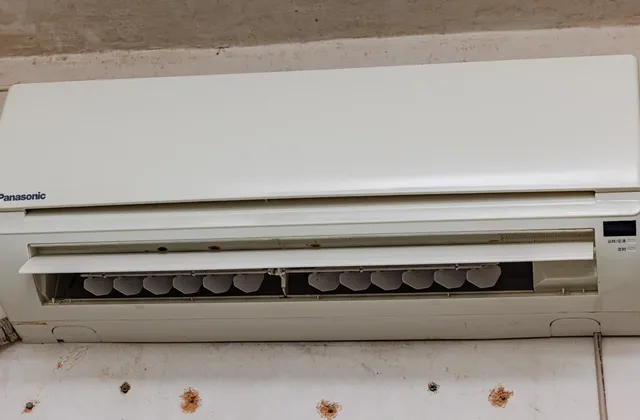
Reviewing Warranty Papers Offered with a Property Sale
Review warranty papers offered with a property sale in Syria, checking the item, issuer, coverage period, exclusions and questions about a new owner.
Read more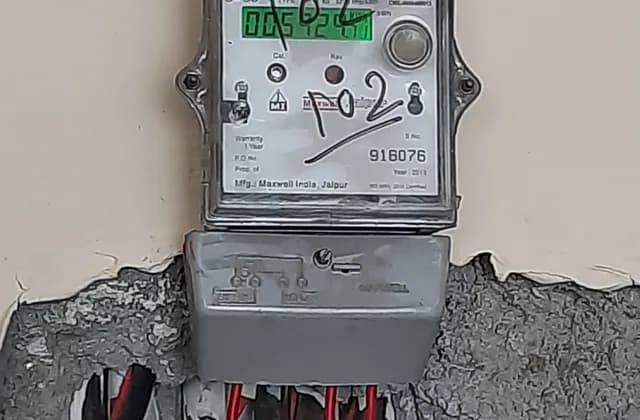
Recording Meter Readings at a Property Handover
Record meter readings at a Syrian property handover with device identifiers, dated observations, source notes and clear follow-up for unresolved service questions.
Read more
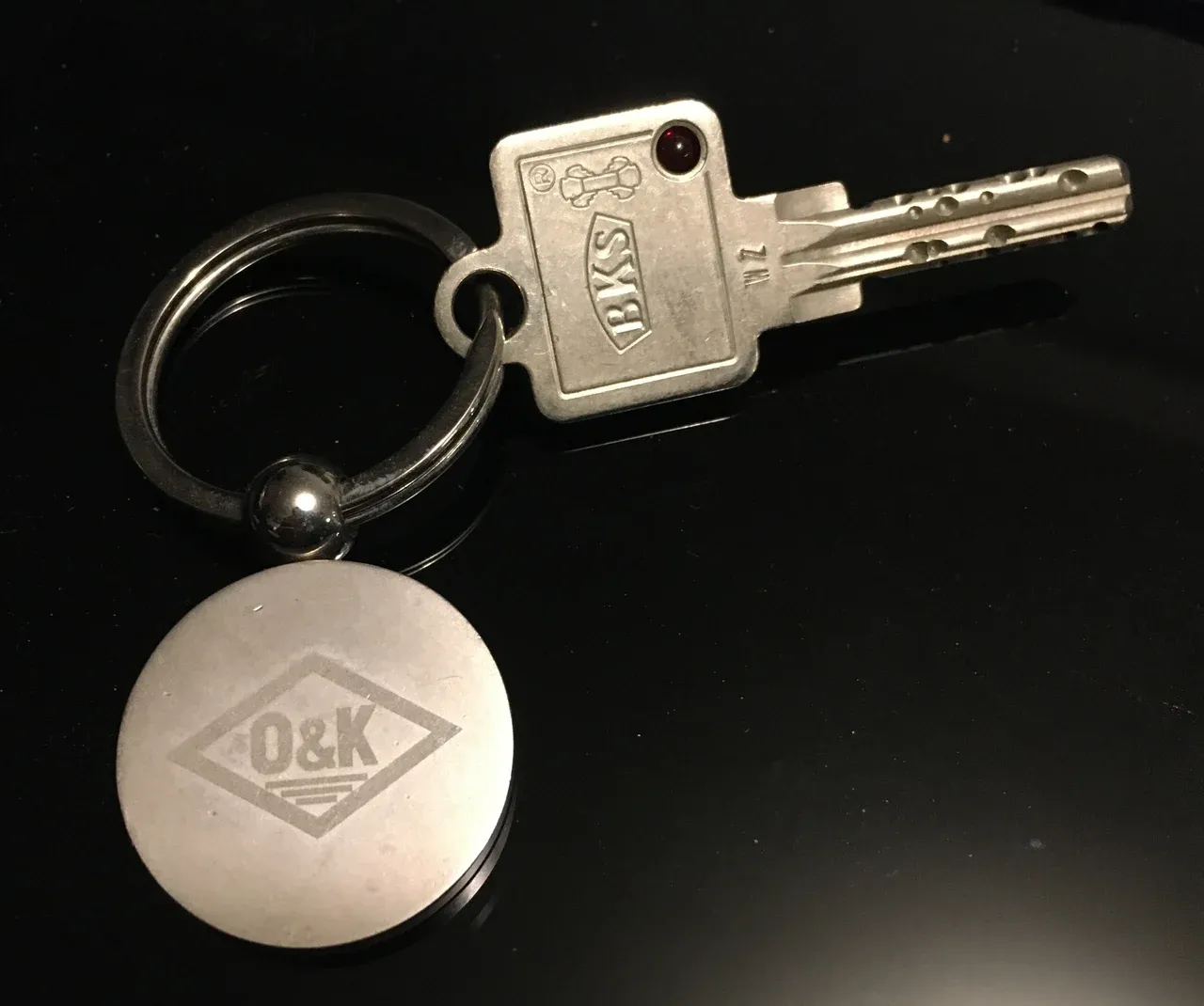
Preparing a Key and Access-Device Register for Property Handover
Prepare a property key handover register in Syria: match keys and devices to entrances, record delivery and checks, and track missing items without exposing codes.
Read more
Questions About Existing Occupancy Before Buying Property
Check existing occupation before buying property in Syria: identify the spaces used, request evidence and review proposed departure and handover with your lawyer.
Read more
Building a Property Purchase Document Checklist
Build a property-specific purchase document checklist for Syria: track original records, people, versions, missing evidence and questions for a lawyer.
Read more
Questions to Resolve Before Signing a Property Contract
Before signing for a Syrian property, check the exact home, parties, payments, open conditions and handover promises with an independent local lawyer.
Read more
Recording Fixtures and Contents in a Property Purchase
Record which fixtures and contents will remain in a Syrian property purchase, room by room, with dated photos, explicit exclusions and lawyer-reviewed terms.
Read more
Preparing a Property Handover Checklist
Prepare for a Syrian property handover with a route, key count, room inventory, safe service observations and a dated record of unresolved differences.
Read more
Keeping a Complete Record of Your Property Purchase
Keep a complete Syrian property purchase record by linking signed versions, payment evidence, handover notes and official follow-up in a secure index.
Read more