Blog
How to Compare a Newer Apartment with an Older Home
Compare a newer apartment with an older home in Syria through household fit, condition evidence, shared-building arrangements and proposed work.
In this article
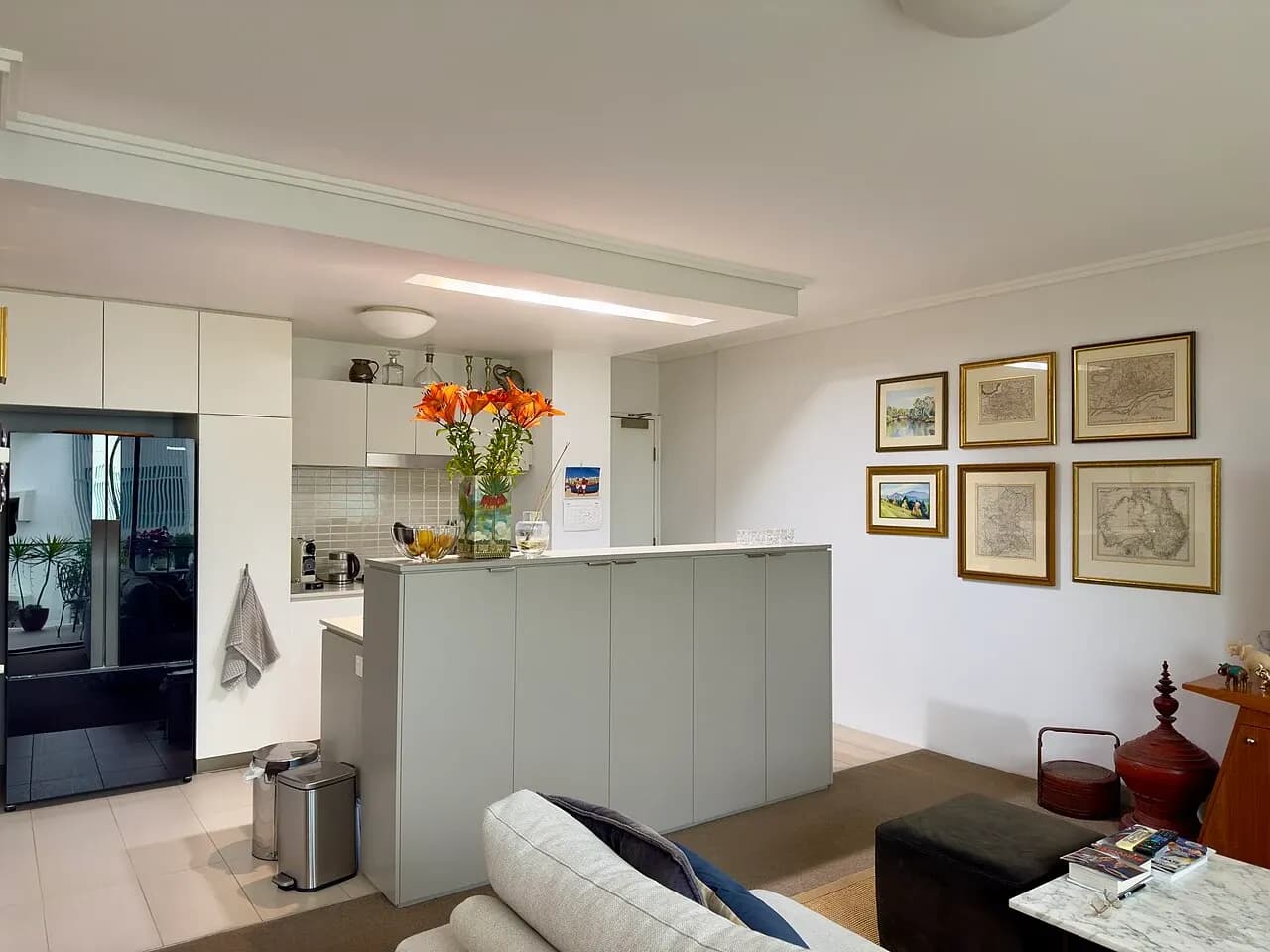

One home has clean lines, fresh paint and a layout that looks easy to furnish. Another has generous rooms, a courtyard or details you would struggle to reproduce. Comparing a newer apartment with an older home can quickly become a contest between appearances. For a useful property search in Syria, bring both candidates back to the same question: what would living in this particular home require from your household?
Age is a useful piece of background. It is not a condition report, a maintenance budget or a guarantee about documents. A newer building can have unresolved issues; an older home can have well-documented repairs. Establish what is known about each property, identify the gaps and compare the effort as well as the appeal.
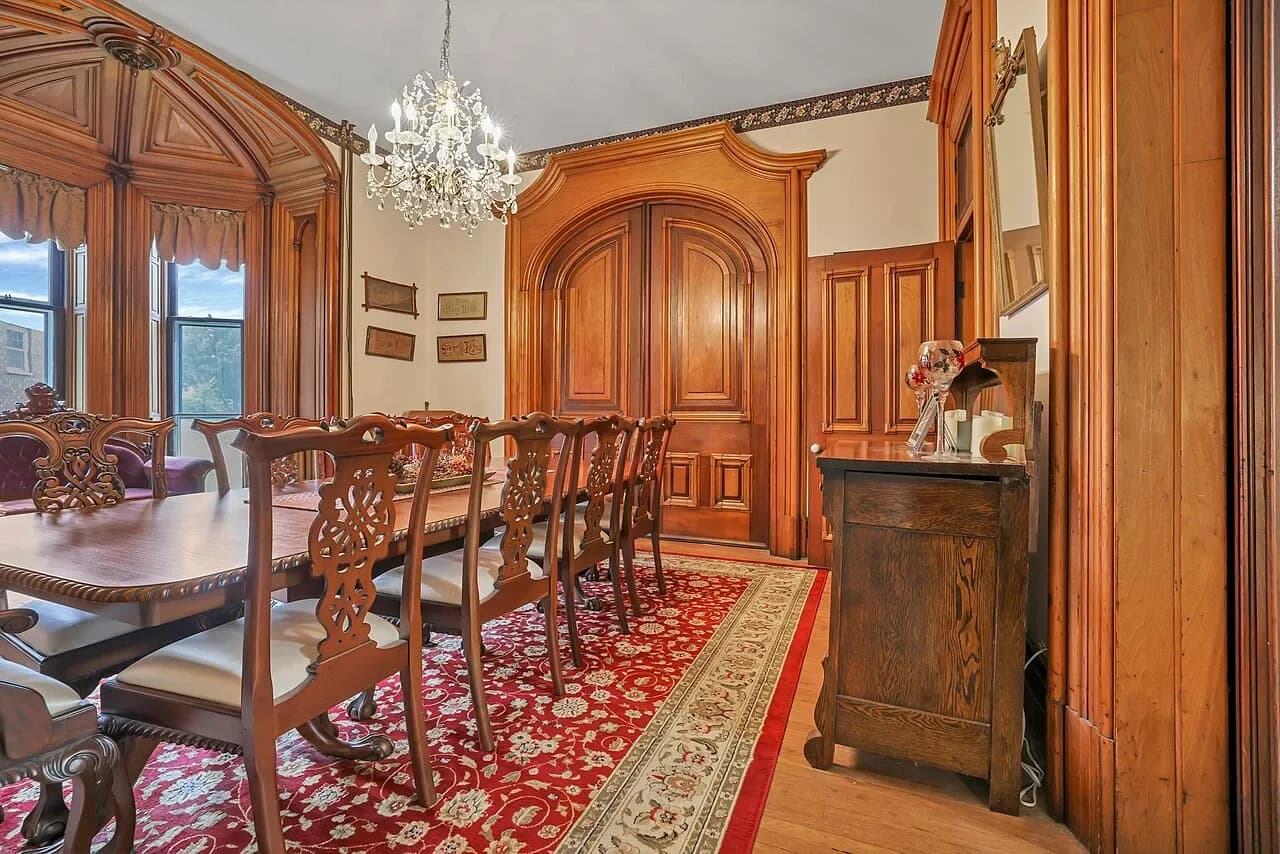
The illustrated kitchen in Brisbane and the dining room in the identified historic Samuel N. Patterson House show different interior arrangements. Their capture dates describe the photographs, not the buildings’ construction dates. Use visible room connections to form questions; the images establish neither a condition assessment nor the suitability of an actual Syrian candidate.
Define the life you want the home to support
Write a short description of an ordinary week. Where will people sleep, work, cook and spend time together? Who needs a quieter room, a route without particular obstacles or storage for bulky belongings? Which tasks would become difficult if you had to manage the property from abroad?
Apply those needs to both homes before discussing style. A large older room may offer several furniture arrangements but connect poorly to the spaces you use most. A compact apartment might have a direct route between kitchen and living area but little flexibility for a changing household. Explore the guide to flexible rooms and draw a realistic furniture arrangement for each candidate.
Use dimensions from an identified plan or a suitable measurement. Do not compare a furnished photograph of one home with an empty photograph of the other as though the visible floor area were measured evidence. Note what you would need to remove, move or replace before the room would work for you.
Build two condition records with the same scope
Ask for the construction date as supplied, the source of that date and the history of significant work. Separate an original building date from a recent refurbishment. Fresh finishes can tell you what is visible today, but they do not establish the condition of concealed installations or the quality of work behind a wall.
For an older home, ask which repairs were undertaken, when, by whom and what records exist. For a newer apartment, ask about completion, outstanding work and the evidence behind claims about installations. Save answers as claims until the appropriate checks are made. Do not translate a confident description such as “fully renovated” into a list of works nobody has actually supplied.
RICS's UK consumer survey guidance distinguishes inspection scope and the relevance of a building's complexity and condition. Those UK survey categories are not Syrian requirements. The practical point for your comparison is to commission an appropriately scoped assessment of each actual home, with relevant expertise and explicit access limits, rather than relying on age or photographs.
Where an assessor cannot see an area, keep that gap in the record. It should not vanish merely because the other candidate has a longer report. Different evidence quality can make one home look more problematic simply because it has been examined more carefully.
Compare the shared building as well as the apartment
An apartment's rooms are only part of daily life. Ask about the entrance, stairs, lift if present, shared storage, roof access and arrangements for maintaining common areas. Record the person providing each answer and the evidence for any stated payment or responsibility.
With an older standalone home, ask who would organise work to its exterior, roof or drainage and how access would be arranged. More control can come with more tasks. With a shared building, an individual owner may have less direct control over the timing of collective work. The actual arrangements need verification; neither building type automatically offers simpler management.
The handbook on inspecting shared areas can help you prepare a route through the building. Compare the areas residents actually use, including spaces absent from the sales photographs. If you have only seen the unit, describe the building comparison as incomplete.

Put proposed work into a usable budget
Make a separate list for work you want and work that needs assessment. Repainting for taste is different from an unresolved mark or a service question. Avoid assigning a confident repair cost to an issue nobody has diagnosed.
Request an itemised renovation estimate for a defined scope when that stage is appropriate. Compare quantities, inclusions, exclusions, currency, quotation date and assumptions. Add the effect on your time: obtaining access, making decisions, checking progress and arranging somewhere to stay if the home cannot be used during work.
A fictional example shows the difference. Home A needs a kitchen arrangement you would choose to change; Home B has a visible ceiling mark whose cause is unconfirmed. You can request a price for the preferred kitchen design. The ceiling mark first needs investigation. Treating both as equally certain renovation allowances would hide the different questions behind their budgets.
Check whether the features you like can be retained
An older door, stone surface or courtyard may be central to your interest in a home. Ask an appropriately qualified adviser what its current condition means for upkeep and which proposed changes need independent legal or technical review. Do not assume you can alter a historic building because a similar alteration appears in a neighbouring property.
Likewise, check whether a newer apartment's advertised features belong to the exact unit you are considering. A presentation image or another completed unit may demonstrate a style without proving what is included in your purchase. Identify the relevant specification and have the appropriate adviser review it.
Think about replacement as well as retention. If a fitting is distinctive, what would happen if it failed or needed repair? Who could assess it, and what information would they need? You are planning questions, not predicting availability or price.
Make the choice understandable to everyone involved
Prepare one page per property using the same headings: household fit, condition evidence, management tasks, proposed work, documents to review and unanswered questions. Describe the attraction in a separate sentence so it remains visible without taking over the whole comparison.
If the newer apartment suits your routines and leaves fewer important questions, say which evidence supports that conclusion. If the older home offers a layout you cannot find elsewhere, describe the work and review still needed to make it usable. Choosing either home can be reasonable. The useful decision is the one whose practical demands you understand and whose remaining uncertainty you have not disguised.
Continue your research

Comparing Property Marketing Proposals Before Selling
Compare property marketing proposals by checking listing preparation, advertising placements, enquiry handling, viewing attendance and the work left to you.
Read more
Comparing Cleaning Quotes Before a Property Handover
Compare cleaning quotes before a property handover by checking rooms, cupboard interiors, furniture, preparation, timing and the tasks included in each offer.
Read moreSources & review
Last reviewed:
PUT YOUR RESEARCH TO WORK
Start with a place.
Explore Syria’s cities and narrow your property search.