Investment Handbook
How to Compare Residential and Commercial Property
Compare a Syrian home and commercial unit through intended use, rights, condition, occupancy, cost allocation and evidence rather than category promises.
In this article
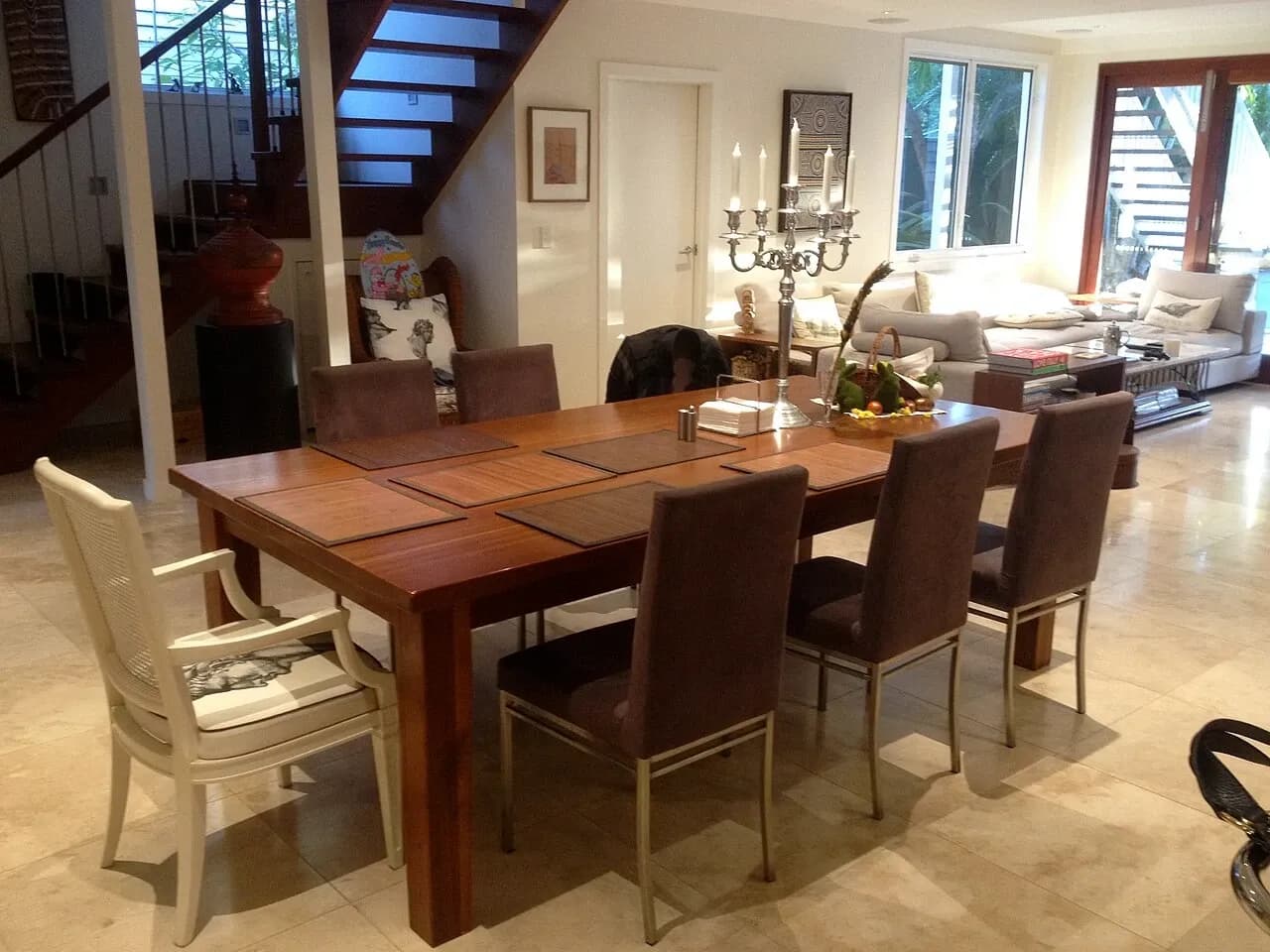

An apartment and a shop may both be described as property investments, but the buyer is asking different questions of each. The apartment's intended use might depend on everyday living conditions and a household's needs. A shop's use may depend on a particular business activity, access for customers, fit-out and the terms of occupation. Neither category is automatically safer, more profitable or easier to manage in Syria. Compare the exact properties and proposed uses, and ask independent local professionals to check the rights, permissions and obligations that matter for each one.
Begin with the unit that is actually offered
Write down what the seller says is included. For a home, that may mean rooms, a balcony, storage or a parking space. For commercial premises, it may mean a ground-floor unit, frontage, service area, separate entrance or shared facilities. Do not infer ownership of a space because it is physically adjacent or appears in a photograph. Match the offered unit to the records and have an independent Syrian property lawyer explain any rights or limits. The boundaries and access guide gives a useful way to separate what is visible from what still needs legal review.
Record the proposed activity as well as the physical unit. “Commercial” is too broad to establish that a particular shop, office, workshop or storage use is permitted. A buyer should ask the lawyer and the relevant local professionals which approvals, safety conditions or restrictions apply now to the exact address and activity. This page does not state Syrian zoning, licensing, tax or occupancy rules. If those answers are pending, the planned use remains conditional even if a listing presents it as ready.
Compare daily operation, not only floor area
Walk through the practical routine each property would require. For a home, who would use the rooms, what privacy and natural light matter, how accessible is the building, and what service interruptions would be difficult? For a commercial unit, how would customers, staff, deliveries and waste move through the space? What equipment, ventilation, power or water would the activity require? These are inspection questions, not claims that any property meets a standard.
An identical floor area does not imply identical utility. A narrow unit with good frontage may suit one proposed activity and be awkward for another. A residential apartment with many square metres may still have poor circulation for the intended household. The apartment layout guide focuses on lived use; use a separate activity checklist for commercial premises. Ask qualified local inspectors about condition and any proposed alterations before budgeting for them.
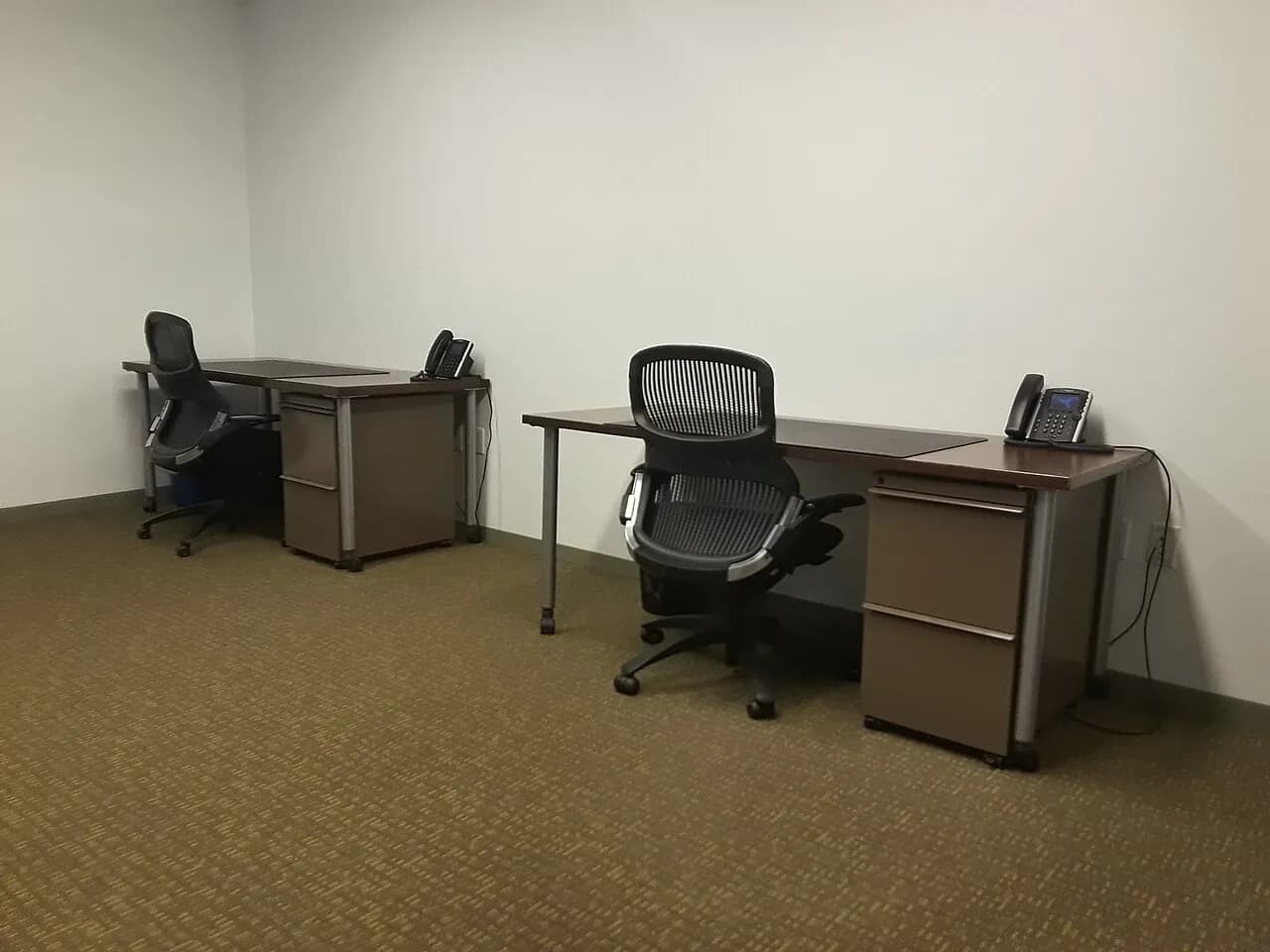

Put the income evidence on equal footing
Do not compare a residential asking rent with a commercial lease payment as if they were the same kind of evidence. Record whether either figure comes from an advertisement, a draft offer, a signed agreement or money already received. Note the date, area, condition, term, currency, included services and the party responsible for operating costs. If those details differ, the headline monthly amount is not a fair comparison.
For residential investment analysis, RICS's UK buy-to-let valuation standard describes gross and net approaches and the importance of relevant expenses. RICS's UK commercial service-charge standard highlights the need for clarity about budgets, lease terms and service-charge responsibilities in its own jurisdiction. These are UK professional materials, not Syrian law or market data. Their shared lesson is to read the exact agreement and cost allocation before treating a rent figure as owner's income.
If either property is occupied, ask the lawyer to review the actual occupancy arrangement and what it means for the purchase and intended future use. Do not assume that an occupant can be removed, that an existing payment will continue, or that a vacant-looking unit is legally available. UN-Habitat's research on housing, land and property in Syria provides broad documentation and displacement context. It cannot settle possession or title for a specific premises.
Make the cost schedules property-specific
Create separate acquisition and first-year-use budgets for the apartment and the commercial unit. The same headings may be useful—price, professional review, condition work, services, management and reserve—but the contents will differ. A commercial unit might require a fit-out plan or equipment assessment for its intended activity. A home might need changes to make it comfortable for a household. Neither is a default cost. Ask for itemised local quotes and identify who would pay under the reviewed terms.
Our full purchase budget guide explains how to separate confirmed amounts, quotes and unknowns. Keep the original currencies visible. If the commercial option has a higher quoted rent but a larger unpriced fit-out, enter both facts rather than filling the gap with an optimistic estimate. The cash-flow planning guide helps show when those costs might fall before any income is received.
End with a decision note, not a category verdict
Give each property a short evidence summary: intended use, rights reviewed, condition inspected, costs supported, income evidence, and the biggest unresolved issue. State what finding would make the buyer stop. A home might fail the intended household's access needs even if its rent illustration looks attractive. A shop might be well located but unusable for the buyer's planned activity. Those are property-specific findings, not a rule that one sector outperforms the other.
The useful comparison is the one in which both candidates face the same standard of proof. If a crucial commercial-use question or residential-rights question is unanswered, pause and seek the relevant local advice. A category label cannot substitute for documents, an inspection or a realistic path from purchase to use.
Continue your research
Comparing One Property with Several Smaller Investments
Compare one property with several smaller investments in Syria through exact candidates, committed capital, shared dependencies, workload and exit questions.
Read more
Separating a Commercial Property Purchase from a Business Sale
Clarify a commercial property purchase in Syria: separate the premises from equipment, stock and trading claims, then prepare connected scopes for adviser review.
Read moreSources & review
Last reviewed:
PUT YOUR RESEARCH TO WORK
Start with a place.
Explore Syria’s cities and narrow your property search.