Investment Handbook
Property Budgets and Investment
Property Budgets and Investment is for buyers who want a clear financial picture before making a property decision in Syria. The word “investment” can make a home sound like a simple asset with a single price and an expected return.…
Read more
In practice, the buyer needs to understand the exact property, the rights offered, the money required at each stage, the condition of the building and the cost of living with it. This section treats those as questions to research, not figures to assume. It does not forecast returns, recommend an asset or state current Syrian taxes, fees, exchange rates or financing terms.
Begin with the reason for buying. A household looking for a place to live may value reliable access, room layout and the ability to occupy the home soon. Someone considering a future rental use needs a different set of questions about permissible use, condition, management, vacancy and the evidence behind any income estimate. A property that serves both aims still needs separate calculations. Write your own purpose and time horizon before looking at advertised prices. Otherwise a low asking price can dominate the decision while the cost of repairs, travel or delays remains invisible.
Keep the advertised price in its original currency with the date and source. Ask what physical spaces and rights it covers. A balcony, storeroom or parking space that appears in photographs might not be included in the proposed transfer. A recently lowered listing price is still an asking price, not a completed-sale record. If you compare several homes, use the same columns for property identifier, area as claimed, observed condition, included spaces, asking price, source date and unresolved questions. Do not turn unlike listings into a market average by dividing their prices by an area figure that has not been verified.
The full purchase budget is wider than the seller's price. It may include independent legal advice, retrieval or review of records, a condition inspection, travel or remote viewing support, moving, essential repair work and initial service needs. Whether a particular tax, public charge, agency fee or finance cost applies is a matter for current, case-specific advice. Ask the relevant local professional to identify the charge, payer, basis and date. Mark an amount as confirmed, quoted or unknown. An unknown row with a clear next question is more useful than a zero that makes the total look affordable.
Time matters as much as total cost. A buyer may need funds for a review before deciding whether to make an offer, another amount at a contract stage and more cash at handover or for urgent work. Put those dates on a cash-flow view rather than assuming all funds are needed at once. Ask the lawyer to review the proposed payment sequence and recipient. If the seller changes the currency, destination or deadline, treat that as a material change requiring fresh review. Do not use a public exchange-rate table as proof that a particular transfer can be made at that rate.
Condition evidence should inform the financial plan. A seller's statement that a flat “needs only paint” may overlook moisture, electrical hazards, damaged shared areas or inaccessible service spaces. Record what was actually seen and seek qualified local inspection where it matters. Ask for itemised repair quotes with the scope, exclusions, site basis and validity date. Keep uncertain work as a separate decision item. A repair allowance should not be used to paper over a defect whose cause or responsibility has not been established.
The first year after purchase deserves its own sheet. Ask about ongoing shared-building expenses where relevant, service arrangements, seasonal maintenance, security, furnishing and the possibility of further assessment. Do not assume that costs observed at another address apply here. If an investment case depends on rental income, ask for evidence of actual comparable agreements, permitted use, management costs and periods when the property may be vacant. Advertised rents and optimistic occupancy assumptions do not demonstrate realised returns. An independent adviser should review the legal and financial assumptions before a decision rests on them.
Use scenarios to expose the decision, not to create false certainty. A base case can include figures backed by a dated quote or reviewed document. A cautious case can show the effect of known unresolved work and a lower income assumption if income is relevant. Label each assumption. If a critical title question, access right or structural concern remains unresolved, no spreadsheet sensitivity can answer it. Pause and get the appropriate professional evidence. This is a financial boundary as well as a legal one: do not commit funds on the strength of a neat total whose most important inputs are missing.
The articles beneath this category cover purchase costs and payments, then the practical comparison of prices quoted in different currencies, cash-flow timing, renovation estimates and payment records. Another group considers investment questions without promising returns. Read each article for its specific task and retain the evidence behind any number you use. The goal is a decision you can explain in ordinary language: what you are buying, what it may cost to acquire and use, how the payment path works, and which unknowns must be resolved before you proceed.
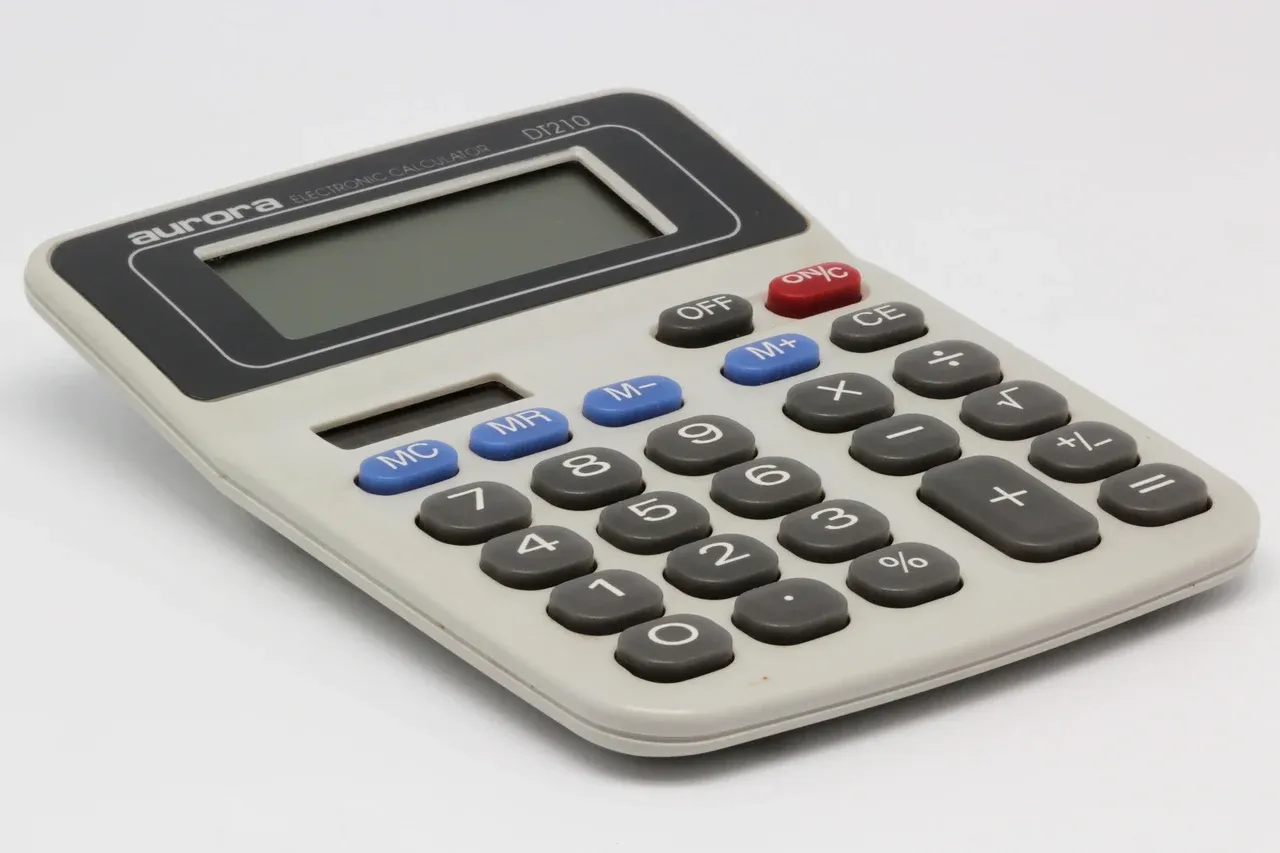

Purchase Costs and Payments
Purchase Costs and Payments brings the numbers of a Syrian property purchase into one disciplined record. A listing can show an asking price…
Explore this topic ↗Investment Analysis
Investment analysis begins with a much plainer question than “What will it yield?” What would you need to know before this particular property…
Explore this topic ↗
Comparing Property Prices Quoted in Different Currencies
Compare Syrian property quotes in different currencies by preserving original amounts, dates, rate sources and the limits of a planning conversion.
Read more
Planning Cash Flow Before a Property Purchase
Plan cash flow for a Syrian property purchase by placing reviewed payment events, available funds, delays and a living reserve on a dated timeline.
Read more
Understanding an Itemised Renovation Estimate
Read an itemised renovation estimate for a Syrian property by checking inspection basis, scope, quantities, exclusions and revisions before budgeting.
Read more
Questions to Ask About Payment Terms and Receipts
Ask who should receive each Syrian property payment, in which currency and against what evidence, then keep instructions and receipts traceable.
Read more
Comparing Syrian Property Investments Without Yield Promises
Compare Syrian property investment candidates through purpose, ownership questions, condition, costs and rental evidence without treating yields as promises.
Read more
Gross and Net Rental Yield: A Worked Example
Follow a fictional gross and net rental-yield calculation, see how vacancy and expenses change it, and learn which property-specific facts still need review.
Read more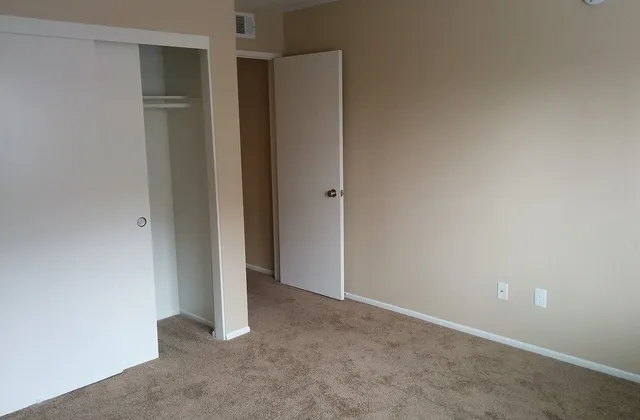
Building a Vacancy Allowance Into a Property Budget
Build a vacancy allowance for a possible rental property in Syria using an occupancy calendar, explicit scenarios and a separate cash reserve.
Read more
Testing a Property Investment Against Different Scenarios
Test a Syrian property investment plan against delayed use, higher repair costs and uncertain rent, using explicit assumptions and a clear decision rule.
Read more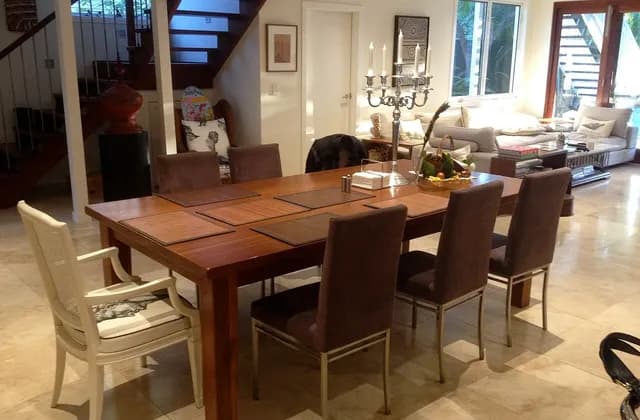
How to Compare Residential and Commercial Property
Compare a Syrian home and commercial unit through intended use, rights, condition, occupancy, cost allocation and evidence rather than category promises.
Read more