Blog
Property Decisions
Property Decisions helps readers assess remote viewings, organise evidence and compare homes through practical questions about a property search in Syria.…
Read more
Explore this section when you have more information than clarity. You may have several advertisements, conflicting family preferences, a video that leaves important rooms unseen or a folder containing documents whose significance is still uncertain. The articles help you turn that material into useful enquiries and a decision you can explain. They do not certify a property or replace the legal and technical work a transaction requires.
Decide which question you are answering
A search changes character as it develops. Early on, you may be deciding which locations and types of home deserve research. Later, you may be comparing two specific units or resolving an issue that could prevent an offer. Define the question before collecting more material. Otherwise a growing folder can create the impression of progress while leaving the actual decision untouched.
Keep the household purpose close to the evidence. If a daily access requirement is essential, an unresolved entrance question matters more than another attractive photograph. If available space is the concern, focus on the room connections and dimensions that need confirmation. A comparison becomes useful when its observations relate to the purpose for which you are considering the home.
Give each piece of evidence a clear identity
Use one property reference across your notes, photographs, plans and correspondence. Record where a file came from and the date you received it, while preserving any capture or issue date given by its source. These dates may describe different events. A recent message can contain an old photograph; a saved advertisement can remain in your folder after its terms change.
Explain what the material supports. An image may show the appearance of a room from one viewpoint. A conversation may supply a claimed measurement or an explanation of a mark. A professional report may address specified questions within its stated scope. Keeping those descriptions distinct makes it easier to decide which issue needs better evidence and who should address it.
Use remote material with a practical agenda
Before a video appointment, give the person showing the home a short route and the questions you hope to answer. Include the areas that connect the advertised rooms to the normal entrance and shared spaces where access is permitted. Ask for pauses rather than a continuous performance that is difficult to follow.
Agree recording and sharing arrangements with everyone involved. Keep private household details and identifying documents outside a general family comparison. If a connection fails, note the view that was lost and request an appropriate follow-up. Missing information should remain visible instead of becoming a favourable assumption simply because the parts you did see were appealing.
Make family participation useful
A shared property search often includes people with different daily routines. Invite each person to describe their essential requirements before they rank photographs. A commute, an accessible route or a place to work may be important in ways that another participant cannot see from the advertisement.
Separate preferences from questions that require factual answers. Someone may prefer a balcony; whether that outdoor area belongs to the proposed arrangement is a different enquiry. Someone may like an older house; its present condition still needs appropriate assessment. Keeping both kinds of discussion visible allows the family to disagree honestly without turning a preference into evidence.
Compare the homes on the same basis
Use a common set of questions for each candidate, but allow the answers to remain different. A home's advertised area, floor plan and visible rooms may not use the same definition as another home's records. Its quoted price may include different items or be based on different proposed terms. Put those differences beside the numbers before calculating a ranking.
Keep an explicit place for unknowns. A blank answer is often more useful than a confident score without a source. Identify which unknowns could change your decision and organise the next enquiry around them. Smaller unresolved preferences need not consume the same effort as a question about identity, ownership, safety or the intended use of the home.
Know when to request independent review
A viewing can help you describe a concern; it cannot supply every answer. Ownership, authority to sign, boundaries and proposed contractual terms need review by an appropriately qualified independent lawyer. Safety, physical condition and technical systems may require qualified specialists. Ask what each professional will examine and what falls outside the assignment.
Provide the relevant originals or records through an agreed secure process, explaining the question you want answered. Do not ask a family member's impression or a camera operator's explanation to stand in for that work. When an issue is outside the material available to you, state the limit and decide whether to pause further consideration.
Treat travel as its own decision
An interesting property or a successful remote call does not establish that a trip is appropriate. As checked on 2 October 2026, UK official advice for Syria advised against all travel. Consult current official guidance relevant to your nationality and circumstances before any travel planning. The published source is https://www.gov.uk/foreign-travel-advice/syria; this section does not certify routes, entry permission, insurance or security arrangements.
Keep remote research available as a separate task when a visit should be postponed. You can refine a brief, organise records and prepare professional questions without making a travel commitment. A request for urgent attendance should not override the unresolved travel question.
Leave the search with an intelligible record
After a viewing or a round of document enquiries, summarise why the home remains on the shortlist, what may rule it out and what evidence is still needed. Assign a purpose to the next step and retain the date of the decision. When new information arrives, explain what changed instead of silently replacing the earlier conclusion.
The aim is a property decision that remains understandable after the attractive images and immediate excitement fade. A clear record helps the household and its independent advisers work on the same unresolved questions, with room to stop, revise the brief or consider a different home.


Better Comparisons
Better Comparisons helps you judge Syrian property candidates through household needs, dated evidence and clear questions about space, condition and access. Independent choices…
Explore this topic ↗Buying from Abroad
Buying from Abroad helps readers organise a Syrian property search through remote viewings, shared records and specific questions for independent review. Independent enquiries…
Explore this topic ↗
Comparing Property Marketing Proposals Before Selling
Compare property marketing proposals by checking listing preparation, advertising placements, enquiry handling, viewing attendance and the work left to you.
Read more
Comparing Cleaning Quotes Before a Property Handover
Compare cleaning quotes before a property handover by checking rooms, cupboard interiors, furniture, preparation, timing and the tasks included in each offer.
Read more
Comparing Moving Quotes Before a Property Handover
Compare moving quotes by the belongings, collection and delivery tasks, packing, timing and exclusions before arranging your property handover and move.
Read moreComparing Property Insurance Quotes Beyond the Premium
Compare property insurance quotes by property scope, insured amounts, exclusions and claim contributions, then clarify when the proposed cover would take effect.
Read more
Comparing Homes for a Regular Work-from-Home Routine
Compare homes for working from home in Syria: test daily room use, workstation space, call privacy, service dependencies and realistic household compromises.
Read more
Checking the Furniture Delivery Route Before Buying an Apartment
Check an apartment furniture delivery route in Syria: identify essential items, their delivery form, route questions and the conditions of a provider assessment.
Read moreProtecting Privacy When Preparing Property Photographs
Prepare property photographs with fewer personal details: review rooms, reflections, file information, approved recipients and published image versions.
Read more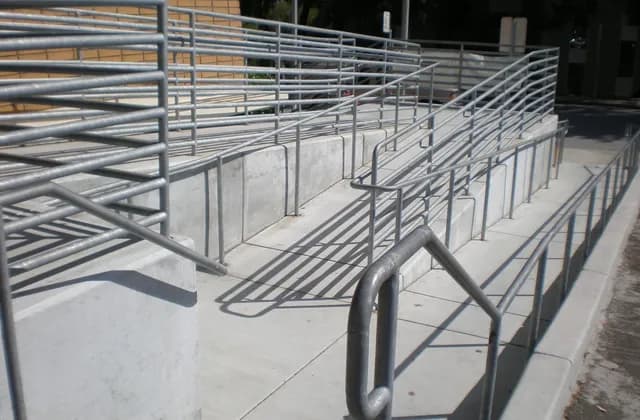
Choosing a Home with Household Mobility Needs in Mind
Compare homes in Syria through household mobility routines, room transitions, shared equipment and questions for a qualified person-specific assessment.
Read more
Checking Internet Availability at the Exact Home Address
Check internet availability at a Syrian home address through provider confirmation, permissioned tests and questions about installation and accounts.
Read more
Checking Noise Before Choosing a Home in Syria
Check noise before choosing a home in Syria with room-specific observations, window conditions, useful questions and a dated record for your next visit.
Read more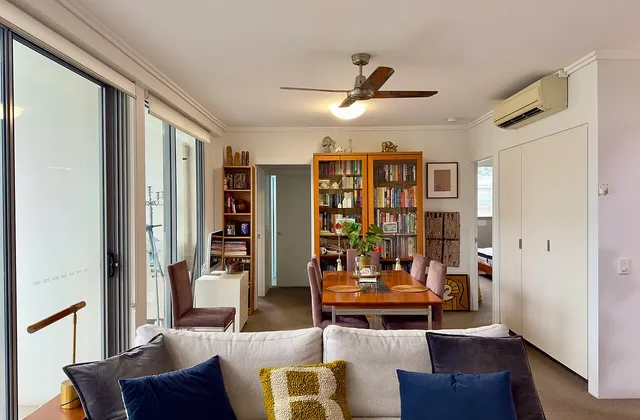
Turning a Property Viewing Into a Clear Decision
Turn a Syrian property viewing into a clear next step using household needs, labelled observations, supported evidence and material questions to resolve.
Read more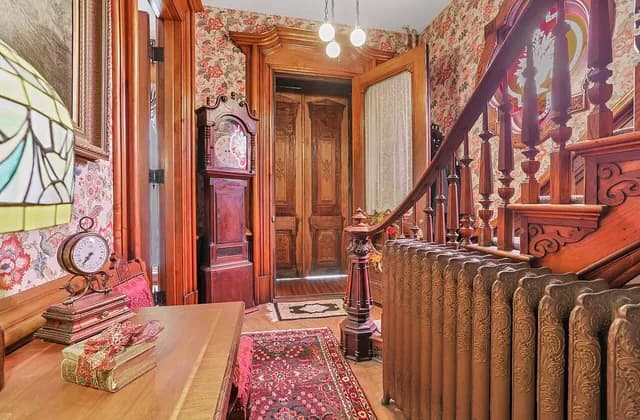
When to Revisit a Property Before Making an Offer
Plan a focused second property viewing in Syria by identifying useful observations, unresolved questions and the independent reviews still needed.
Read more